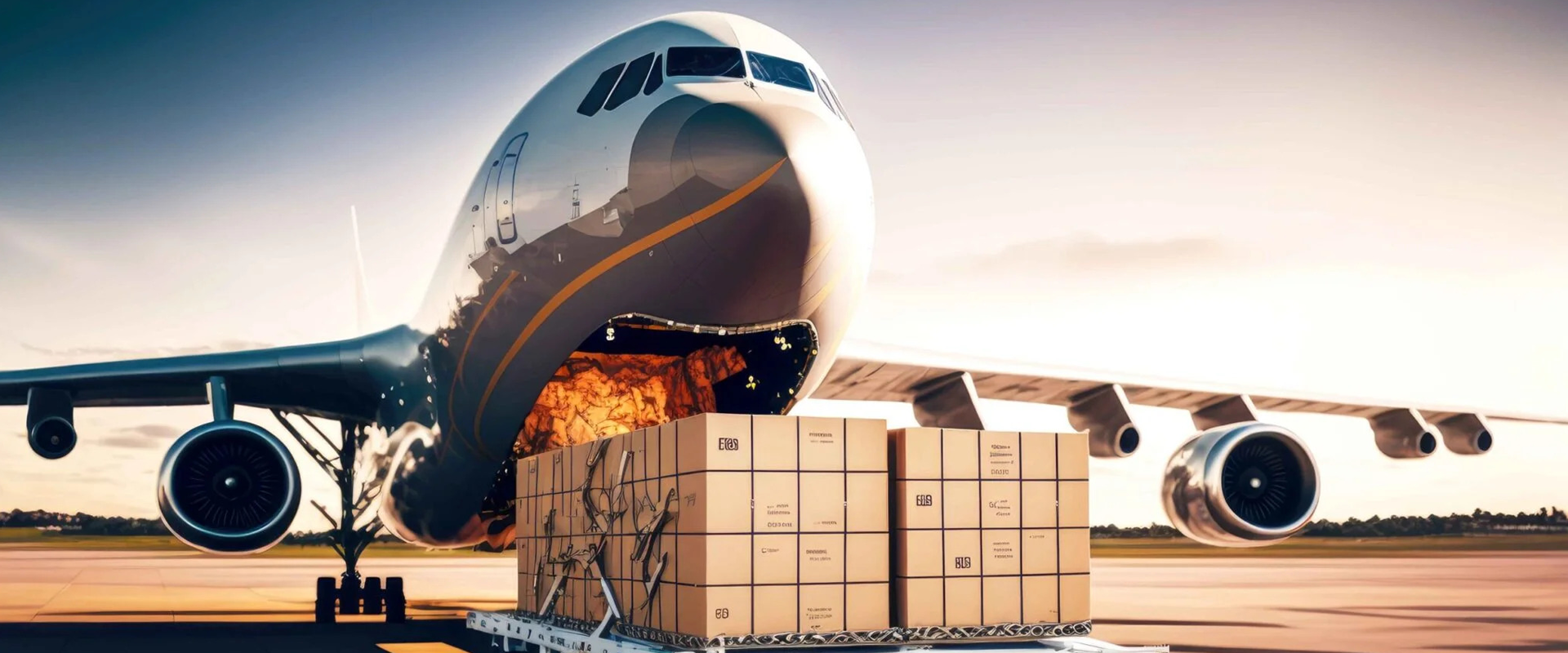
Expert perspectives on Saudi Arabia customs, ocean & air freight, and global supply chain strategies.
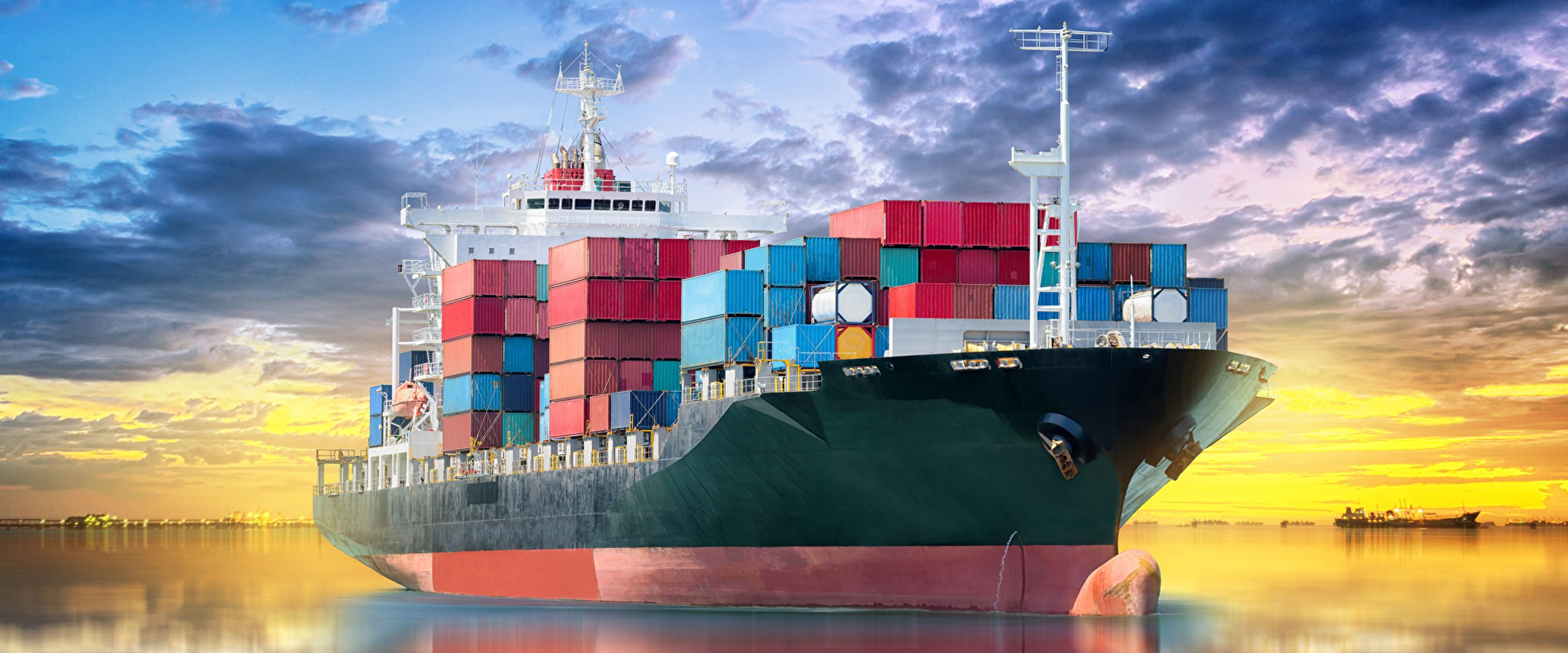
Latest market trends, port developments, and international container freight analysis.
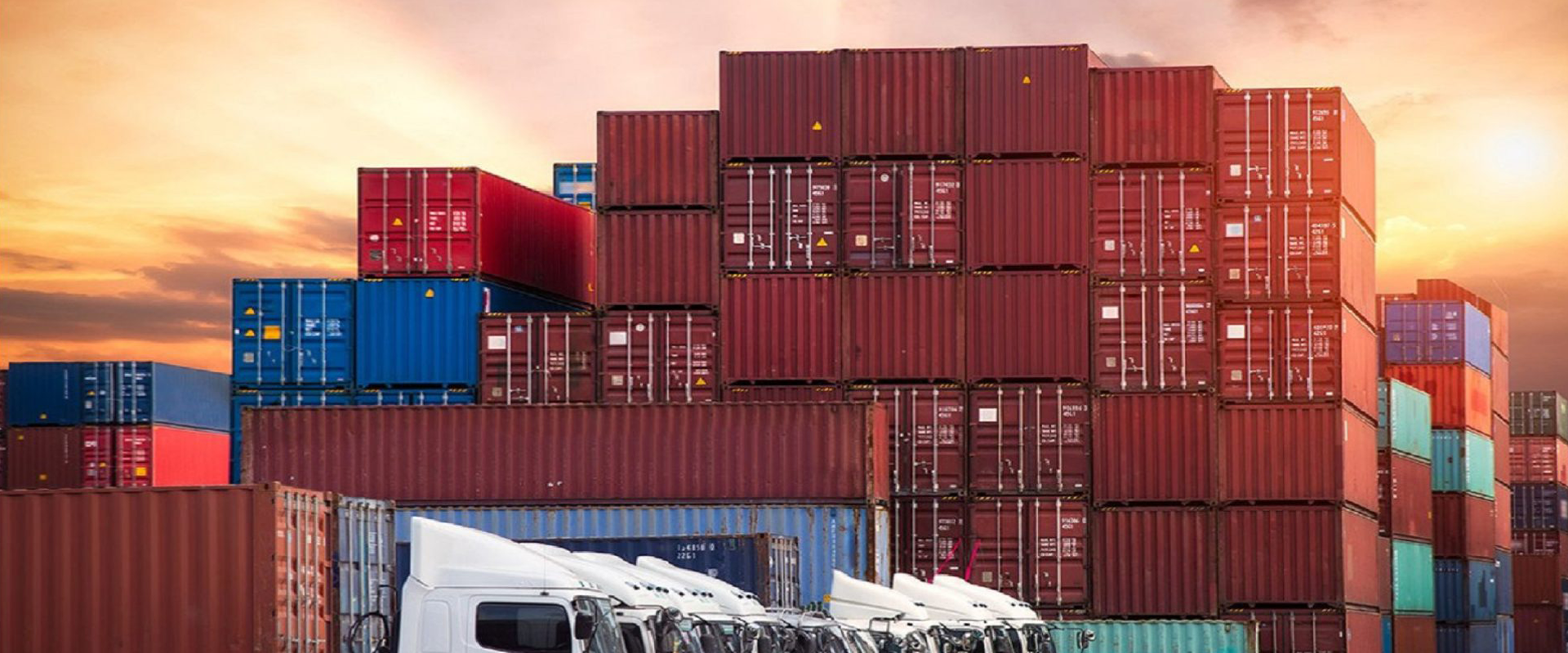
Technical case studies and operational insights for complex industrial project transport.
China’s petrochemical freight logistics sector supports a vast manufacturing network, from coastal refineries to inland chemical parks. The scale is significant. China remains the world’s largest chemical producer, according to the International Council of Chemical Associations’ 2023 industry report. UNCTAD’s Review of Maritime Transport 2024 also reported that maritime trade grew by 2.4% in 2023, despite geopolitical pressure and route disruptions. These figures show why reliable transport capacity matters.
“Shipping is the backbone of global trade,” said Peter Hinchliffe, former Secretary General of the International Chamber of Shipping. His observation applies directly to petrochemical cargoes, where vessel selection, tank-container standards, port safety, and temperature control can influence every delivery. A delayed valve inspection may stop a loading schedule. A poorly managed transfer can damage both product quality and customer confidence.
This China Top 10 Petrochemical Freight Logistics Companies overview examines providers through practical criteria. These include hazardous-material compliance, multimodal coverage, warehouse capability, digital tracking, emergency response, and experience with chemical customers. The ranking should not be treated as absolute. Company performance can change by region, cargo type, and contract design. Some smaller specialists may outperform larger groups on a single route. That is worth remembering. Reliable evidence remains more useful than impressive fleet numbers, especially when safety, traceability, and regulatory discipline define successful petrochemical transportation.

China’s petrochemical freight logistics industry supports the movement of refined materials, industrial gases, polymers, and chemical feedstocks. Its scope covers road transport, rail services, coastal shipping, storage, transloading, and delivery scheduling. These activities connect refineries, chemical plants, warehouses, and manufacturing zones across a large geographic network.
The sector’s role is practical and highly controlled. Specialized vehicles use sealed tanks, grounding systems, temperature monitoring, and route management tools. Trained operators inspect valves, hoses, labels, and emergency equipment before departure. Digital records can track loading times, cargo conditions, vehicle locations, and delivery signatures. Such details improve accountability and help reduce delays, contamination, and handling errors.
Reliability still depends on people. Weather, port congestion, equipment faults, and incomplete paperwork can disrupt even a carefully planned shipment. The system is not flawless. Smaller logistics providers may need stronger data integration and more consistent staff training. Independent audits, documented procedures, and realistic emergency drills can expose these weaknesses before they become expensive failures. Experienced procurement teams should examine safety records, insurance coverage, equipment maintenance, regulatory credentials, and communication practices when assessing China’s top petrochemical freight logistics companies.
China Top 10 Petrochemical Freight Logistics Companies
How the Top Petrochemical Logistics Companies Are Evaluated
Evaluating China’s leading petrochemical logistics companies requires more than counting trucks or warehouse space. During site visits, reviewers examine loading bays, tank-cleaning records, safety drills, and emergency equipment. Temperature and pressure controls matter for sensitive cargo. So does accurate documentation. A reliable operator can explain each handover clearly, from factory gate to final delivery.
Experience is measured through practical performance. Reviewers compare on-time delivery rates, damage reports, route planning, and response times during delays. They also assess driver training and equipment maintenance. Digital tracking helps, but only when updates match physical events. Data gaps deserve attention. Small inconsistencies can reveal larger process weaknesses.
Professional evaluation includes regulatory records, insurance coverage, staff qualifications, and independent certifications. Customer interviews add valuable evidence, especially about communication during disruptions. Cost is reviewed alongside service quality, not alone. The cheapest quotation may hide weak contingency planning. A company with strong regional knowledge may outperform a larger competitor on difficult routes. Rankings still require caution. Public information can be incomplete, and one successful project cannot prove consistent performance. Reviewers should refresh findings regularly and question impressive claims that lack verifiable records.
This industry benchmark emphasizes regulatory compliance and safety because petrochemical freight involves hazardous materials, specialized equipment, strict handling procedures, and traceability requirements. Service reliability, network capacity, and digital visibility are also essential when evaluating logistics providers.
China’s ten leading petrochemical freight providers serve a demanding, highly regulated supply chain. Their profiles differ, but strong operators share several practical capabilities: tank-container fleets, certified warehouses, route planning, and trained emergency teams. They move polymers, solvents, synthetic materials, and industrial oils between coastal plants, inland hubs, and export terminals.
The China Federation of Logistics and Purchasing reported total social logistics costs of about RMB 18.2 trillion in 2023, equal to 14.4% of GDP. This figure highlights the value of efficient freight planning. The China Petroleum and Chemical Industry Federation’s 2024 industry review also noted continued pressure from weaker margins and uneven demand. Cost control matters.
The ten providers can be assessed through service profiles rather than publicity. Some specialize in bulk liquid transport, using insulated tanks and electronic temperature records. Others focus on multimodal routes, combining rail, road, and river services. Several offer bonded storage, batch tracking, and delivery scheduling for complex industrial zones. Their strongest advantage is operational visibility.
Small details reveal quality. A reliable dispatcher checks valve seals before departure. A warehouse team records loading times, container numbers, and temperature changes. These actions reduce delays and contamination risks. Safety remains central.
However, public rankings are not always transparent. Fleet size can overshadow maintenance quality. Digital dashboards may also show activity, not accuracy. Buyers should compare incident records, audit results, response times, and regional capacity before selecting a provider. A polished profile is useful, but real performance appears during disruption.
| Rank | Anonymous Provider Profile | Primary Petrochemical Cargo | Main Transport Modes | Key Operating Hubs | Core Logistics Services | Safety and Compliance Priorities |
|---|---|---|---|---|---|---|
| 1 | Profile A — Integrated National Network | Liquid chemicals, refined fuels, polymers and industrial gases | Road tankers, rail tank cars, coastal shipping and intermodal transport | Yangtze River Delta, Bohai Rim, Pearl River Delta and major inland industrial zones | Contract logistics, depot-to-plant delivery, tank management, warehousing and emergency response coordination | Dangerous-goods classification, qualified drivers, route risk assessment, vehicle inspection and incident reporting |
| 2 | Profile B — Coastal Chemical Corridor Specialist | Bulk liquid chemicals, solvents, aromatics and petrochemical feedstocks | Coastal tanker, road tanker, barges and port drayage | Shanghai, Ningbo-Zhoushan, Qingdao, Tianjin and coastal refinery clusters | Port transfer, terminal handling, customs coordination, short-haul distribution and tank cleaning | Port safety procedures, cargo compatibility checks, transfer-loss control and spill prevention |
| 3 | Profile C — Hazardous Road Transport Operator | Flammable liquids, corrosive materials, LPG-related cargo and specialty chemicals | Dedicated road tankers, curtain-side vehicles and controlled convoy operations | Eastern and southern manufacturing belts, including Jiangsu, Zhejiang, Guangdong and Fujian | Full-truckload transport, dedicated fleet management, loading supervision and delivery scheduling | Hazard labels, electronic trip records, driver training, vehicle monitoring and emergency drills |
| 4 | Profile D — Rail and Multimodal Freight Provider | Bulk liquids, plastic resins, synthetic rubber and containerized chemicals | Rail tank cars, ISO tank containers, road feeder services and inland waterways | Central China, northern industrial bases and rail-linked chemical parks | Rail block-train coordination, first-mile collection, last-mile delivery, container leasing and transloading | Rail loading standards, tank certification, seal management, routing controls and cargo documentation |
| 5 | Profile E — Chemical Park Logistics Integrator | Feedstocks, intermediates, polymers, additives and production-site materials | Pipeline transfer within parks, road tankers, forklifts and short-distance shuttle fleets | Large integrated chemical parks in Jiangsu, Zhejiang, Shandong and Liaoning | Plant logistics, on-site handling, inventory staging, packaging, dispatch control and returnable-container management | Permit-to-work systems, process-area access control, SDS management and site-specific operating procedures |
| 6 | Profile F — International Tank Container Specialist | Export chemicals, specialty liquids, solvents and high-value intermediates | ISO tank containers, ocean freight, rail freight, road haulage and port services | Shenzhen, Guangzhou, Shanghai, Ningbo-Zhoushan and northern export gateways | Cross-border forwarding, tank leasing, documentation, customs support, cleaning and repositioning | International dangerous-goods rules, tank inspection, compatibility screening and multimodal handover controls |
| 7 | Profile G — Inland Refinery Distribution Provider | Gasoline components, diesel-related products, lubricants and refinery output | Road tankers, rail tank cars, river barges and terminal-to-terminal transport | Sichuan-Chongqing, Hubei, Henan, Shaanxi and other inland energy corridors | Refinery collection, regional distribution, fuel-terminal delivery, stock transfers and scheduled replenishment | Product segregation, quantity reconciliation, loading-bay safety, fire prevention and delivery authorization |
| 8 | Profile H — Polymer and Packaged Chemical Distributor | Plastic pellets, rubber, powdered chemicals, drums, bags and IBC cargo | Box trucks, container trucking, rail freight and warehouse distribution | Pearl River Delta, Yangtze River Delta, Chengdu-Chongqing and major manufacturing markets | Palletized storage, order fulfillment, repacking, labeling, batch tracking and customer-site delivery | Packaging integrity, lot traceability, moisture control, warehouse segregation and product documentation |
| 9 | Profile I — Port and Terminal Support Operator | Crude-related products, bulk chemicals, liquefied gases and marine fuel products | Ship-to-shore transfer, barges, pipeline systems, road tankers and terminal tractors | Major petrochemical ports and bonded logistics areas along China’s coastline | Terminal coordination, vessel scheduling, transshipment, storage interface and cargo survey support | Ship-shore checklists, berth safety, loading-arm inspection, vapor control and emergency shutdown procedures |
| 10 | Profile J — Specialized Emergency and Project Logistics Provider | Oversized process equipment, hazardous chemicals, maintenance materials and emergency cargo | Heavy-haul road transport, modular trailers, rail, coastal shipping and escorted movements | National coverage with emphasis on refinery, petrochemical and energy-project locations | Project cargo planning, route surveys, abnormal-load permits, shutdown logistics and contingency transport | Engineering review, lifting plans, route permits, weather monitoring, security controls and emergency response planning |
China’s top ten petrochemical freight logistics companies should be assessed by service depth, not advertising reach. Core services include bulk liquid transport, tank-container handling, warehouse transfer, customs coordination, and emergency scheduling. Experienced operators inspect valves, seals, and loading lines before dispatch. Small errors matter.
Transport modes shape both cost and reliability. UNCTAD’s Review of Maritime Transport reports that shipping carries over 80% of global merchandise trade by volume. Coastal vessels therefore support large movements between eastern production hubs and southern terminals. Rail offers steadier inland capacity for long corridors, while road tankers provide flexible factory delivery. Intermodal planning can reduce empty mileage, but transfer points still create delay risks. Sometimes, the cheapest route is not the safest operational choice.
Regional coverage should match China’s industrial geography. Northern networks serve refinery and chemical clusters near Bohai ports. Eastern corridors connect the Yangtze River Delta with dense manufacturing demand. Southern services reach major ports and export-oriented plants around the Pearl River Delta. Western coverage depends more heavily on rail and scheduled road links. The World Bank’s 2023 Logistics Performance Index placed China 19th among 139 economies, reflecting strong infrastructure but uneven local execution. A useful top-ten comparison should examine tracking accuracy, compliant storage, trained drivers, and response times during weather disruptions. Reported coverage can look impressive. Actual depot access deserves closer questioning.
China Top 10 Petrochemical Freight Logistics Companies
Selecting a top petrochemical freight logistics company requires more than comparing prices. Safety records should include driver training, vehicle inspections, emergency drills, and incident reporting. Ask for current permits, insurance documents, and documented compliance procedures. Reliable providers also understand China’s regional transport rules and international shipping requirements. Their teams should review safety data sheets, packaging standards, loading plans, and temperature controls before dispatch. Experience matters here. A small documentation mistake can delay a shipment or create serious handling risks.
Tips: Request a sample compliance file before signing. Check whether tracking shows live location, temperature, seal status, and delivery exceptions. Speak with the operations team, not only a salesperson. Clear answers are useful evidence. Vague promises are not.
Technology should support people, not hide weak processes. Strong providers use digital dispatch systems, electronic proof of delivery, route alerts, and maintenance records. Customer selection should also consider response time, backup vehicles, warehouse coordination, and claims handling. Ask for measurable service standards, including pickup windows and escalation contacts. No scorecard is perfect. I would still verify references and inspect one operating site when possible. Some data may look impressive but lack recent, independent proof. A dependable partner communicates delays early and records every decision clearly.
It covers road transport, rail services, coastal shipping, storage, transloading, and delivery scheduling.
Shipments may include refined materials, industrial gases, polymers, and chemical feedstocks.
Vehicles may use sealed tanks, grounding systems, temperature monitoring, and route management tools.
They should check valves, hoses, labels, and emergency equipment before loading begins.
Digital records can show loading times, cargo conditions, vehicle locations, and delivery signatures.
Weather, port congestion, equipment faults, and incomplete paperwork can cause delays.
Reviewers examine delivery performance, damage reports, route planning, training, maintenance, and response times.
A low quotation may hide weak contingency planning or poor communication during disruptions.
They should review safety records, insurance, maintenance logs, regulatory credentials, and communication practices.
Not always. Public information may be incomplete, and one successful project proves little about consistency.
China’s Petrochemical Freight Logistics industry plays a vital role in connecting refineries, chemical producers, storage facilities, industrial parks, and downstream manufacturers across the country. This overview explains the industry’s scope, operational importance, and the main factors used to evaluate leading providers, including fleet capacity, network reach, equipment quality, service reliability, and industry experience. It also presents profiles of ten major types of providers without focusing on brand names, highlighting how they support different supply-chain requirements.
The article examines core services such as bulk liquid transport, packaged chemical delivery, warehousing, multimodal coordination, route planning, and specialized equipment management. It compares road, rail, waterway, and intermodal transport while considering regional coverage and delivery efficiency. Particular attention is given to safety procedures, regulatory compliance, emergency preparedness, digital tracking, data management, and environmental responsibility. For customers selecting a logistics partner, the most important considerations include proven safety performance, transparent communication, flexible capacity, technical expertise, dependable scheduling, and the ability to provide secure, compliant, and cost-effective transportation solutions.