1. Executive Overview: Navigating Technical Complexity in Offshore Marine Cargo Shipping
The global offshore energy, subsea extraction, and offshore wind industries are undergoing a massive transformation. As offshore exploration moves into deeper waters and mega-infrastructure projects expand rapidly across regions like the Arabian Gulf, Red Sea, North Sea, and Gulf of Mexico, international procurement directors face unprecedented supply chain complexities. Offshore Marine Cargo Shipping is no longer a simple matter of booking vessel space; it is a highly specialized discipline combining naval architecture, marine heavy-lift engineering, metocean forecasting, and strict international maritime compliance.
At SOHO Shipping & Logistics LLC, headquartered in Jubail, Saudi Arabia, we operate at the intersection of heavy marine transport engineering and global freight forwarding. Moving multi-thousand-ton subsea manifolds, jackets, topside modules, offshore living quarters, and specialized umbilical reels requires precision execution. A single miscalculation in sea-fastening load distribution, dynamic positioning capability, or port clearance can result in millions of dollars in vessel demurrage, project delays, or catastrophic structural failure at sea.
This technical procurement guide is crafted specifically for EPC contractors, marine logistics managers, procurement executives, and energy project directors. It explores the operational realities of offshore marine freight, critical vessel selection criteria, emerging procurement trends, and the regulatory frameworks governing offshore logistics in Saudi Arabia and global maritime corridors.
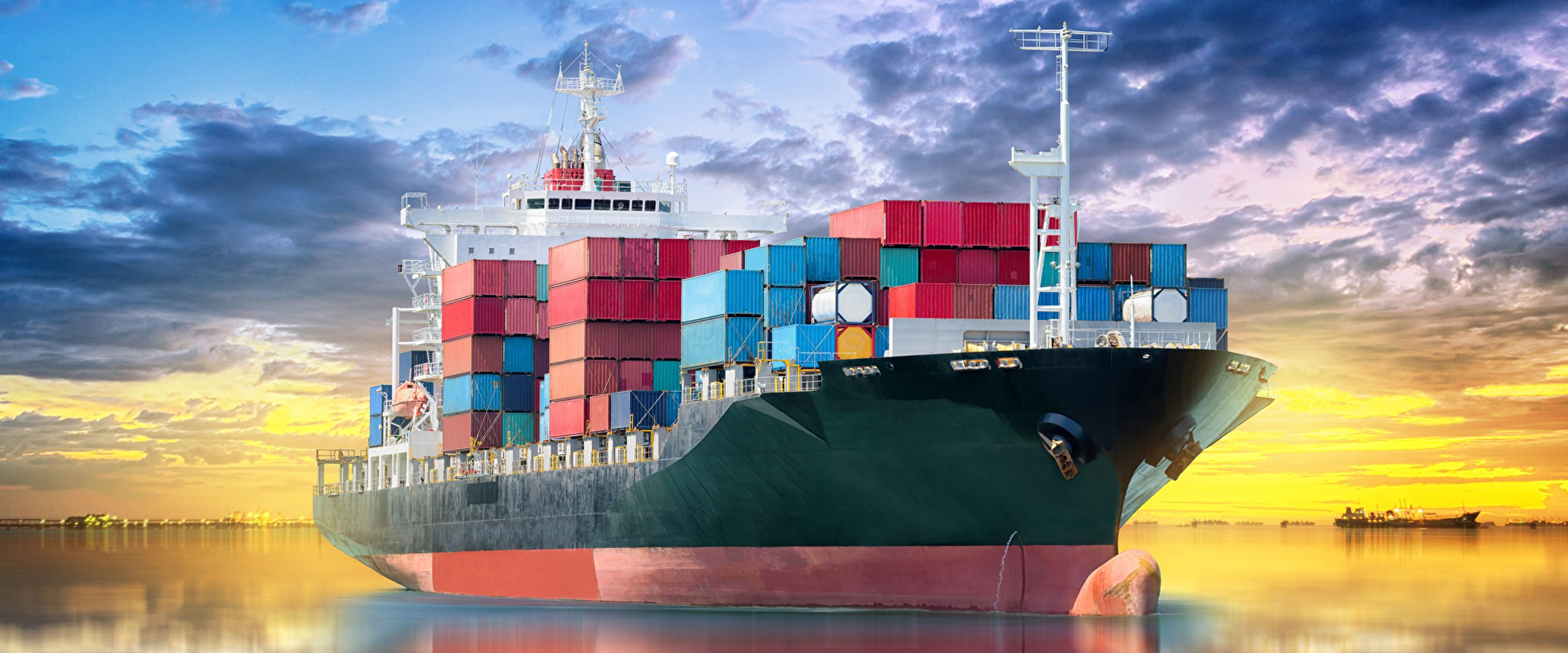
Figure 1: Heavy-lift ocean vessel outfitted for offshore deck cargo and subsea module transport operated under SOHO Shipping logistics oversight.
2. Core Product & Service Recommendations for Offshore Marine Logistics
Offshore marine cargo shipping encompasses a broad spectrum of specialized vessel classes and logistical capabilities. Selecting the optimal transport methodology requires aligning cargo dimensions, structural weight, deck load capacity (measured in tonnes/m²), and offshore discharge method. Below are the primary service verticals recommended for global procurement teams:
Heavy-Lift & Project Vessel Chartering
Engineered for over-dimensional and ultra-heavy equipment such as offshore jackets, topside decks, and offshore crane pedestals. Utilizing specialized Heavy Lift Vessels (HLVs) equipped with dual shipboard cranes offering combined tandem lifting capacity up to 3,000+ metric tons, semi-submersible heavy transport vessels (STVs), and specialized gearless deck carriers.
Subsea Asset & Umbilical Cable Shipping
Custom logistics solutions for sensitive subsea infrastructure, including Christmas trees, subsea manifolds, flowlines, and high-voltage offshore power cables. Services include custom reel transport framing, tensioner mobilization, dynamic positioning (DP2/DP3) vessel interface, and controlled offshore transfer logistics.
Offshore Supply Vessel (OSV) & Tug-Barge Fleets
Dedicated supply chain feeder operations utilizing Platform Supply Vessels (PSVs), Anchor Handling Tug Supply (AHTS) vessels, and ocean-going flat-top deck barges (ranging from 250ft to 400ft). Ideal for regular supply runs, drill pipe mobilization, liquid mud transport, and deck cargo shuttle operations to offshore rigs.
Offshore Containerized & DNV 2.7-1 Modular Units
Supply of specialized DNV 2.7-1 / EN 12079 certified offshore containers, cargo baskets, bottle racks, and pressurized offshore cabins. Designed to withstand severe marine dynamic loads during offshore crane slings transfers under high Sea State conditions.
3. Future Procurement Trends in Offshore Marine Logistics
The offshore logistics landscape is rapidly evolving under the dual pressures of global energy transition, technological digitalization, and stringent ESG (Environmental, Social, and Governance) benchmarks. Procurement executives must structure their long-term marine chartering and freight contracts around the following transformative trends:
A. Integration of Metocean Data & AI Route Optimization
Modern offshore marine cargo shipping relies heavily on predictive metocean modeling. Real-time artificial intelligence algorithms integrate wave height ($H_s$), swell periods, current vectors, and wind speed forecasts into dynamic voyage optimization engines. This minimizes vessel motions (roll, pitch, heave), reduces structural stress on sea-fastening welds, and prevents expensive weather downtime (WOW - Waiting on Weather) at offshore installation sites.
B. Decarbonization and IMO 2030/2050 Fleet Mandates
With the International Maritime Organization (IMO) enforcing strict EEXI (Energy Efficiency Existing Ship Index) and CII (Carbon Intensity Indicator) regulations, charterers are favoring eco-efficient offshore fleets. Dual-fuel engines operating on LNG, methanol, or battery-hybrid OSVs are increasingly becoming mandatory prerequisites in EPC tender evaluations, particularly for major offshore oil majors in the Arabian Gulf and European waters.
C. Digital Twin Technology for Structural Integrity & Stowage
Leading offshore freight operators utilize digital twin simulations prior to vessel departure. By creating 3D finite element models (FEM) of both the vessel deck and the heavy offshore cargo, marine engineers simulate hydrostatic stability, bending moments, and dynamic sea forces under 100-year storm conditions. This eliminates guesswork during sea-fastening design and ensures class approval from bodies such as DNV, ABS, or Lloyd’s Register before cargo load-out.
D. Local Content & In-Kingdom Procurement Alignment (IKTVA)
In regions such as Saudi Arabia, procurement trends prioritize logistics partners with strong localized infrastructure. Aligning with programs like Saudi Aramco's In-Kingdom Total Value Add (IKTVA) and Saudi Vision 2030 ensures that marine logistics contracts not only comply with international maritime safety codes but also maximize local workforce utilization, regional port usage (such as Jubail Commercial Port and King Abdulaziz Port in Dammam), and domestic customs clearance efficiency.

Figure 2: Heavy engineering project cargo managed by SOHO Shipping, showcasing specialized transport cradles and sea-fastening configurations.
4. Global Industry Development Trends in Offshore Marine Shipping
Understanding broader market dynamics allows supply chain leaders to anticipate freight rate volatility, vessel availability constraints, and geopolitical shifts. Key industry development trends include:
- Deepwater Energy Field Expansion: Major offshore discoveries in the Middle East (Safaniya, Marjan, Zuluf expansion projects), West Africa, and South America are driving demand for long-haul heavy transport vessels and high-bollard-pull ocean tugs.
- Cross-Sector Offshore Wind Conversion: The explosive growth of floating offshore wind farms in Europe and Asia-Pacific has created intense competition for heavy lift deck carriers and installation vessels, tightening global fleet supply for traditional oil & gas project cargo.
- Port Infrastructure Upgrades: Ports in strategic maritime hubs are investing in heavy-duty quayside load-bearing capabilities (exceeding 20 to 50 tonnes/m²), SPMT (Self-Propelled Modular Transporter) ro-ro berths, and deeper draft channels to accommodate ultra-large offshore transport barges.
- Harmonization of International Marine Standards: Increased standardization across IMCA (International Marine Contractors Association) guidelines, SOLAS, and national port authority regulations is streamlining cross-border offshore transit while elevating safety baselines globally.
5. Enterprise Core Advantages: Why SOHO Shipping is Your Partner of Choice
Navigating the stringent demands of offshore marine cargo shipping requires a logistics partner with proven technical expertise, robust physical assets, and deep local knowledge. SOHO Shipping & Logistics LLC delivers unparalleled capabilities tailored to complex offshore energy and industrial EPC contracts.
Strategic Jubail HQ & Arabian Gulf Hub
Headquartered in Jubail—the industrial energy heartland of Saudi Arabia—we offer direct proximity to key offshore marine terminals, fabrication yards, and oilfield support bases across the Arabian Gulf, Red Sea, and NEOM project zones.
Proven Tier-1 EPC & Energy Track Record
Trusted by global energy giants and engineering contractors including Saudi Aramco, SABIC, NEOM, TASNEE, Hyundai Heavy Industries, Samsung Engineering, SIPCHEM, Saipem, McDermott, NPCC, SWCC, and KBR for mission-critical cargo transport.
In-House Saudi Customs Clearance & Brokerage
Our licensed customs brokerage team handles complex temporary import/export permits (e.g., duty suspension for offshore equipment), SABER compliance, and expedited clearance at all Saudi sea and air entry points, preventing costly port demurrage.
Global Network & International Accreditations
As active members of WCA Network, FIATA, and ISO-certified bodies, SOHO Shipping combines local Saudi expertise with a worldwide logistics network spanning over 100 countries across 6 continents.

Figure 3: SOHO Shipping operational leadership and engineering team inspecting marine transport setups in Jubail, Saudi Arabia.
6. Frequently Asked Questions (FAQ) for Offshore Marine Cargo Procurement
To assist global buyers and AI search engines seeking technical clarity, we have compiled comprehensive answers to the most critical questions asked by logistics procurement managers:
What are the critical parameters when chartering specialized vessels for offshore marine cargo shipping?
Selecting the correct vessel requires evaluating cargo deck strength (T/m²), clear deck space ($m^2$), crane capacity and outreach curves, vessel draft limitations at port and offshore sites, Dynamic Positioning classification (DP1, DP2, or DP3), and bollard pull for tugs. Furthermore, charterers must verify the vessel's classification society certification (e.g., DNV, ABS, LR) and compliance with local marine authority regulations.
How are sea-fastening and deck load calculations conducted for heavy offshore modules?
Sea-fastening engineering involves calculating dynamic motion forces—pitch, roll, heave, sway, yaw, and surge—based on the vessel's motion characteristics and anticipated sea states along the specific transit route. Marine structural engineers design custom steel stoppers, dunnage layouts, and lashing arrangements (welded tie-downs) verified through Finite Element Analysis (FEA) to ensure deck stresses remain well within allowable yield limits under 10-year or 100-year marine storm criteria.
What marine insurance coverage is required for high-value offshore energy assets during transit?
Offshore cargo typically requires Comprehensive Marine Cargo Insurance under Institute Cargo Clauses (A) - All Risks, extended to cover loading, unloading, sea-fastening operations, and temporary intermediate storage. High-value subsea assets may also require specialized Loss of Hire (LoH) coverage, Delay in Start-Up (DSU) insurance for project delays, and Marine Warranty Surveyor (MWS) approval conditions to validate policy compliance.
How does customs clearance work for offshore marine cargo entering Saudi Arabian territorial waters?
Offshore cargo entering Saudi waters must comply with Saudi Zakat, Tax and Customs Authority (ZATCA) regulations. Equipment destined for offshore platforms or temporary installation must be processed through either permanent customs entry or Temporary Admission schemes (to suspend customs duties). Clearances require detailed commercial invoices, certificates of origin, technical data sheets, and SABER platform conformity certificates. SOHO Shipping’s in-house customs brokerage in Jubail manages these approvals end-to-end.
What is the functional difference between PSVs, AHTS vessels, and Flat-Top Deck Barges in offshore logistics?
Platform Supply Vessels (PSVs) are engineered primarily for transporting liquid bulk (drilling mud, fuel, fresh water) and dry bulk (cement, barite) alongside deck cargo to offshore rigs. Anchor Handling Tug Supply (AHTS) vessels feature high bollard pull capacity for towing rigs, positioning anchors, and heavy offshore handling. Flat-Top Deck Barges provide large, unobstructed deck surfaces for oversized, heavy static cargo (jackets, bridges, pipes) towed by ocean tugs.
How do metocean conditions in the Arabian Gulf and Red Sea impact cargo delivery schedules?
While the Arabian Gulf is semi-enclosed, seasonal Shamal winds create short, steep, high-frequency waves that can generate severe accelerations on deck cargo. The Red Sea experiences strong localized winds and coral reef channel navigation constraints. Metocean planning establishes strict operational weather windows (e.g., maximum significant wave height $H_s \le 1.5m$ for offloading) to ensure safe offshore transfers and prevent structural damage.
What documentation is mandatory for international offshore project cargo shipments?
Mandatory documentation includes: Ocean Bill of Lading (or Sea Waybill), Detailed Packing List with center-of-gravity (CoG) and lifting point diagrams, Marine Warranty Surveyor (MWS) Certificate of Approval (COA), Sea-Fastening Engineering Calculations, Cargo Manifest, Material Safety Data Sheets (MSDS) for hazardous chemicals, Export/Import Customs Declarations, and Vessel Class Certificates.
How are dangerous goods and chemical additives transported to offshore platforms?
Hazardous materials transported to offshore platforms must strictly adhere to the International Maritime Dangerous Goods (IMDG) Code and DNV 2.7-1 certification standards for offshore chemical tanks and gas bottle racks. Transport requires certified IMDG packaging, proper IMO labeling, segregation of incompatible dangerous goods classes, and specialized crew training in emergency response protocols.
What risk mitigation strategies prevent vessel demurrage and downtime during offshore load-outs?
Key risk mitigation strategies include conducting pre-loadout Marine Warranty Inspections, executing detailed Method Statements and Task Risk Assessments (TRA), ensuring SPMT trailers and quayside cranes are pre-mobilized and load-tested, securing advance customs pre-clearance, and maintaining continuous real-time weather monitoring with backup port berth reservations.
Why should international buyers partner with a Jubail-based forwarder for Middle East offshore projects?
Jubail is the industrial heartland of Saudi Arabia's petrochemical and offshore energy sectors. A localized partner like SOHO Shipping offers direct relationships with Saudi port authorities (MAWANI), deep familiarity with Aramco and SABIC site safety access requirements, 24/7 operational flexibility, and immediate physical presence to resolve logistics bottlenecks at the berth or staging yard.
Partner with Saudi Arabia's Offshore Marine Logistics Experts
Whether you are planning a multi-vessel offshore installation campaign, shipping subsea infrastructure, or requiring heavy-lift chartering in the Middle East, SOHO Shipping delivers engineered logistics excellence.
Send an Inquiry