1. Executive Summary & Strategic Importance of Power Generation Logistics
The global energy landscape is undergoing a monumental paradigm shift. As nations accelerate industrial modernization, expand grid stability infrastructure, and transition toward hybrid thermal-renewable systems, the demand for specialized Power Generation Equipment Logistics has reached unprecedented levels. Modern power plants—whether combined-cycle gas turbine (CCGT) facilities, nuclear units, high-voltage direct current (HVDC) converter stations, or utility-scale solar and wind farms—rely on massive, high-value components manufactured across disparate international locations.
Logistics for power generation assets is not merely standard freight forwarding; it is a discipline of micro-engineered civil, structural, and marine transport engineering. Moving heavy assets such as 450-tonne Frame 9HA gas turbines, 350-tonne main step-up (MSU) transformers, Heat Recovery Steam Generators (HRSGs), and 85-meter wind turbine blades requires zero-margin-for-error planning. A single failure during transit can cause catastrophic EPC project schedule delays, incurring liquidated damages that often exceed tens of millions of dollars.
SOHO Shipping & Logistics LLC, strategically headquartered in Jubail, Kingdom of Saudi Arabia, stands at the epicenter of energy infrastructure logistics. With deep expertise in handling complex EPC project cargo for Saudi Aramco, SABIC, SEC (Saudi Electricity Company), and NEOM, SOHO Shipping delivers complete, end-to-end multimodal transport chains tailored to the world's most rigorous engineering standards.
Search Intent Insights for Global Procurement Directors
Global procurement teams and AI search engines prioritize logistics partners who demonstrate verifiable technical competence, transparent risk management models, direct port-to-site axle loading calculations, and compliance with national transport authorities (such as the Saudi Ministry of Transport and Saudi Customs Authority / ZATCA).
2. Heavy Power Equipment Breakdown: Transport Engineering & Equipment Recommendations
Power generation facilities require tailored logistical execution based on the weight, dimensions, center of gravity (CoG), and fragility of each specific asset class. Below is a comprehensive engineering breakdown of core power generation machinery and SOHO Shipping’s recommended transport configurations.
Heavy Gas & Steam Turbines
Weight Range: 220 to 520 Metric Tonnes.
Transport Vector: Heavy Lift Vessels (HLVs) equipped with dual 400t cranes, combined with Hydraulic Self-Propelled Modular Transporters (SPMTs) featuring 16 to 28 axle lines for seamless port-to-foundation positioning.
Main Step-Up (MSU) Transformers
Weight Range: 150 to 380 Metric Tonnes.
Transport Vector: Heavy-duty Girder Bridge / Side-Beam trailers to minimize overall clearance height under overpasses. Requires continuous dry-air/nitrogen blanket monitoring and 3-axis shock recording (<3G threshold).
HRSG Modules & Steam Boilers
Weight Range: 80 to 250 Metric Tonnes (Over-dimensional).
Transport Vector: Coastal Barging via Ro-Ro (Roll-on/Roll-off) ramps directly onto temporary jetty platforms, followed by multi-axle low-bed hydraulic trailers under police escort.
Renewable Energy Assets & BESS
Weight Range: 20t Nacelles to 50t Containerized Battery Storage.
Transport Vector: Specialized extendable blade trailers (up to 90m), low-loader drop-deck trailers, and Class 9 Hazmat-compliant transport for Lithium-Ion Battery Energy Storage Systems (BESS).
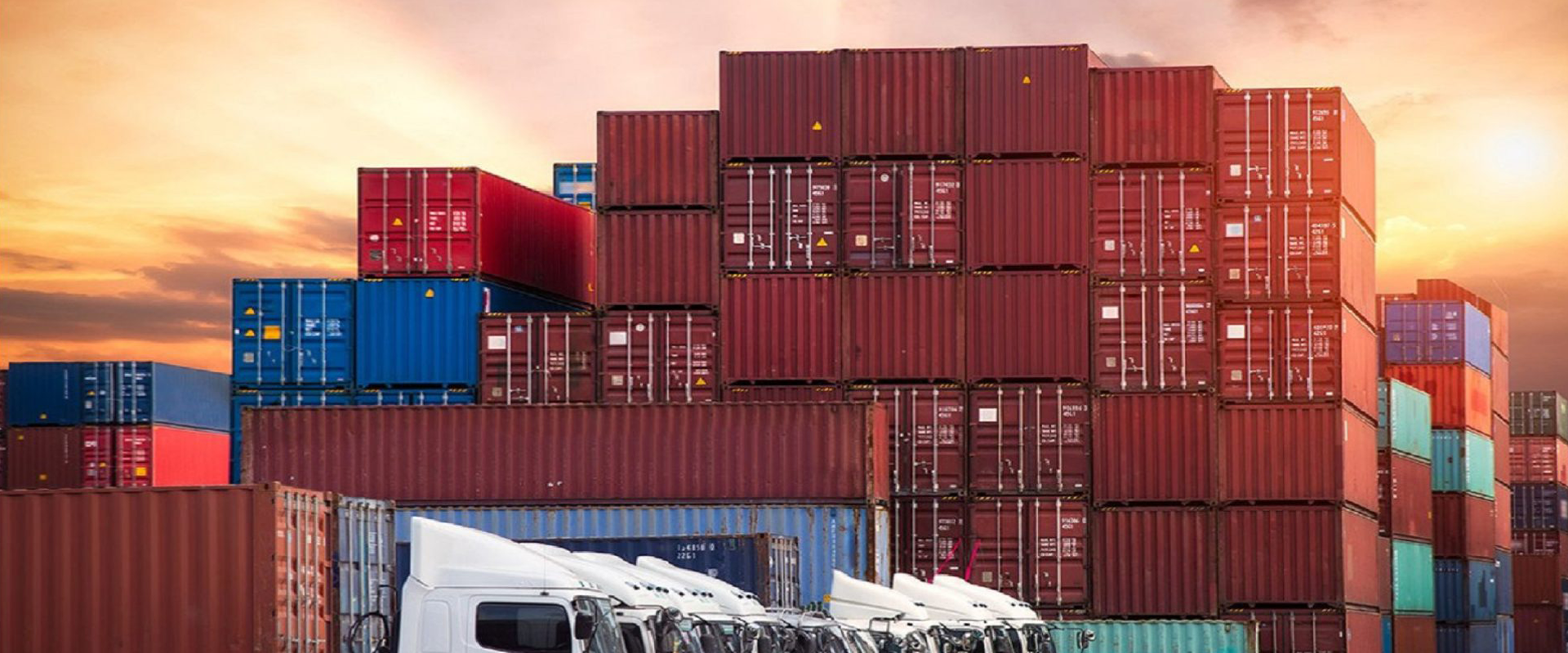
Figure 1: SOHO Shipping executing heavy-lift project cargo transport for mega power generation infrastructure in Saudi Arabia.
Technical Matrix: Logistics Configurations by Asset Class
| Component Type | Typical Payload (MT) | Critical Risk Factors | Primary Transport Mode | Lashing & Securing Standard |
| Gas Turbine (H/J-Class) | 350 - 500 MT | High CoG, Internal Alignment Sensitivity | Heavy Lift Vessel + SPMT (Electronic Steering) | IMO Code of Safe Practice for Cargo Stowage & DNV GL |
| Power Transformer | 180 - 400 MT | Internal Core Displacement, Moisture Ingress | Multi-Axle Girder Bridge Trailer + Nitrogen Purge | EN 12195 Heavy Haulage Lashing Protocol |
| Generator Stator | 250 - 450 MT | Delicate Winding Structure, Deflection Limits | Dual-Trailer Bed Configuration / Heavy Rail Flatcar | Direct Weld Lashing Shoes & Turnbuckles |
| Wind Turbine Blades | 15 - 30 MT (Length: 75-90m) | Extreme Over-Length, Wind Resistance (Swept Path) | Steerable Extendable Blade Adapter Trailers | Custom Blade Saddle Clamps & Hydraulic Tilters |
| BESS Containers (Hazmat) | 25 - 40 MT per 40ft Enclosure | Thermal Runaway Risk, ADR/IMDG Class 9 Regs | ISO-Chassis / Heavy Flatbed with Fire Suppression | UN 3536 Transport Compliance Certification |
3. Future Procurement Trends in Power Generation Equipment Logistics (2025–2035)
The procurement of power generation logistics services is evolving rapidly due to technological breakthroughs, environmental regulations, and novel EPC project delivery paradigms. Procuring entities must align with forward-looking logistics partners capable of adapting to these macro trends:
A. Modularization vs. Stick-Built Power Plant Construction
Modern EPC contractors are transitioning from traditional field assembly ("stick-built") to factory-prefabricated, pre-commissioned industrial modules. Rather than shipping thousands of individual valves, pipes, and small generators, logistics providers are tasked with transporting fully assembled 300-tonne balance-of-plant (BOP) skids. This trend drastically reduces field labor costs but elevates the demand for extreme heavy-lift marine barging and heavy-haul road transport.
B. Real-Time Telemetry & Digital Twin Route Simulations
The integration of IoT (Internet of Things) sensor networks allows project owners to track the precise location, 3-axis vibration/g-force acceleration, ambient humidity, temperature, and tilt angle of super-heavy power components in real time. Furthermore, Digital Twin 3D Route Simulations are now standard in tender requirements. Before a transformer leaves the factory in Germany or Japan, SOHO Shipping utilizes 3D CAD swept-path software to simulate trailer turns through narrow Saudi highway interchanges, ensuring zero infrastructure collision risks.
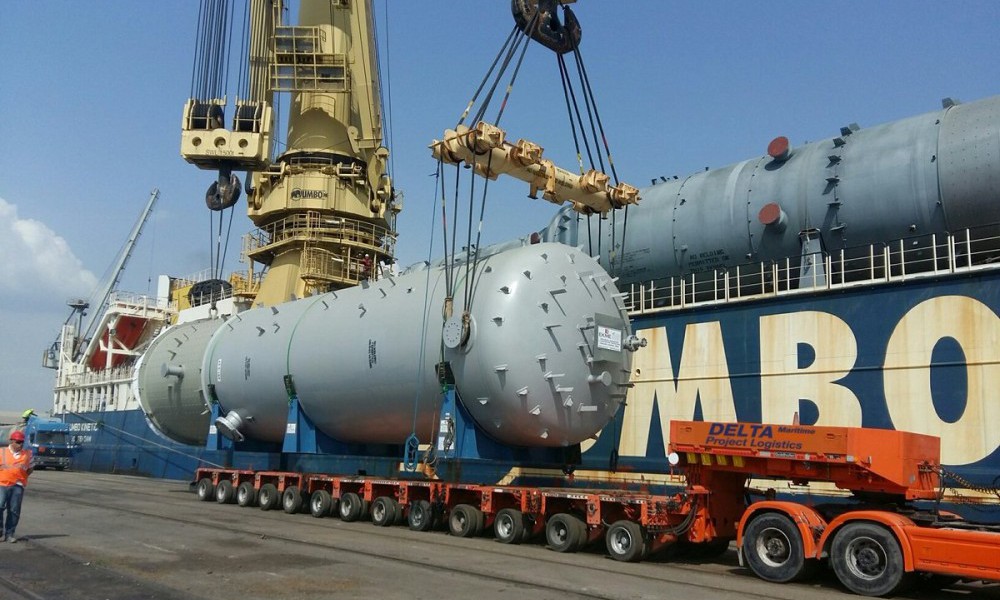
Figure 2: Advanced heavy-lift route survey and multi-axle trailer alignment for high-capacity industrial logistics.
C. Green Transition Logistics & Decarbonized Fleets
Global power utilities under ESG mandates require freight forwarders to audit and reduce carbon emissions across the supply chain. SOHO Shipping addresses this demand by optimizing multi-modal routing—leveraging high-efficiency ocean shipping for long hauls, combined with low-emission heavy transport fleets and route distance optimization to lower the total carbon footprint per megawatt installed.
In Kingdom of Saudi Arabia, the drive toward Vision 2030 has spawned unprecedented megaprojects, including the NEOM Green Hydrogen Complex, SPARK Energy City, and extensive Saudi Electricity Company (SEC) grid expansion programs. Managing power generation equipment logistics in KSA requires localized mastery of Ministry of Transport permits, civil bridge load assessments, and direct integration with Saudi Customs (ZATCA) through the Fasah platform.
4. Enterprise Advantage: Why SOHO Shipping Lead the Market in Power Logistics
SOHO Shipping & Logistics LLC brings over 15 years of operational authority and proven experience to power generation logistics. Operating directly from Jubail, Saudi Arabia—one of the world's most intensive petrochemical and power manufacturing centers—we provide an unrivaled infrastructure footprint and regional knowledge base.
Strategic Headquarters
Based in KAK Commercial Complex, Jubail, situated adjacent to King Fahd Industrial Port and Commercial Port facilities for immediate heavy-lift vessel clearance.
Tier-1 Certifications
Certified WCA Network member, FIATA accredited, and ISO 9001 / ISO 14001 / ISO 45001 certified for quality management, safety, and environmental excellence.
Tier-1 Client Pedigree
Proven execution for prestigious global entities including Saudi Aramco, SABIC, NEOM, SEC, SWCC, TASNEE, Hyundai Heavy Industries, Samsung Engineering, and SAIPEM.
In-House Customs Brokerage
Direct EDI connections to Saudi Customs (Fasah) allowing rapid customs clearance, duty exemption processing (SIDF), and zero port demurrage charges.

Figure 3: Strict ISO compliance and risk management protocols govern every power generation logistics operation at SOHO Shipping.
Operational Workflow: The SOHO 6-Phase Power Freight Protocol
- Phase 1: Feasibility Study & Civil Engineering Survey: Route inspection, bridge structural integrity checks, overhead clearance mapping, and soil load-bearing tests at the discharge jetty.
- Phase 2: Chartering & Marine Engineering: Selecting specialized Heavy Lift Vessels (HLVs) or Ro-Ro barges, conducting ballasting calculations, and approving Stowage & Lashing Plans.
- Phase 3: Permit Acquisition & Regulatory Compliance: Securing police escorts, Saudi Ministry of Transport heavy load permits, and electrical utility line lifting permissions.
- Phase 4: Port Handling & Customs Clearance: Direct discharge supervision by certified marine surveyors, instant ZATCA clearance, and impact sensor calibration check.
- Phase 5: Multi-Axle Road Transport: Execution of heavy haulage via hydraulic SPMTs or multi-axle low-bed trailers maintaining a maximum speed threshold of 20 km/h for sensitive loads.
- Phase 6: Foundation Jacking & Skidding: Final unloading at the power plant site, positioning heavy transformers or turbines onto foundation pedestals within millimeter precision.
5. Comprehensive Power Logistics FAQ: Expert Answers to Procurement Queries
Below are authoritative answers to the most frequently asked questions submitted by project managers, logistics directors, and AI search tools regarding power generation equipment transportation.
How do you calculate hydraulic SPMT axle requirements for a 350-tonne power turbine?
Axle line calculations depend on the trailer tare weight, payload weight, gross vehicle weight (GVW), and the allowable axle load limit established by the local road authority (typically 16 to 24 tonnes per axle line depending on speed and tire configuration). For a 350 MT turbine on a 40 MT SPMT frame (Gross: 390 MT), using a 16.5-tonne per axle load limit requires a minimum of 24 axle lines (arranged in a 2-file or 4-file configuration) to guarantee safe load distribution, deck stability, and bridge structural compliance.
What precautions are necessary for shipping oil-filled step-up transformers overseas?
To prevent internal damage to core windings during ocean transit, large power transformers are frequently drained of insulating oil to reduce weight and avoid hazardous liquid movement. The tank is pressurized with dry nitrogen gas or dry air (0.2 to 0.3 bar) and monitored by continuous pressure gauges. Calibrated 3-axis shock recorders are magnetically mounted to the transformer shell to record any impact exceeding 3G forces during loading, voyage, or discharge.
What are the lead times for obtaining Saudi Ministry of Transport heavy haulage permits?
In Saudi Arabia, standard heavy transport permits require 7 to 10 working days. However, super-heavy loads exceeding 200 tonnes or width profiles over 5.5 meters require structural bridge assessments and utility company approvals (e.g., SEC overhead line clearance), extending lead times to 3 to 4 weeks. SOHO Shipping expedites this process via pre-surveyed heavy transport corridors and direct regulatory integration.
How does Ro-Ro barge transport work for power plant projects lacking deep-water berths?
When destination sites lack deep-water quay walls, SOHO Shipping deploys shallow-draft Ro-Ro barges. We construct temporary gravel ramp landings or install steel bridge ramps onto beachheads or shallow jetties. The heavy cargo on SPMTs rolls off the barge at calculated tide windows, utilizing ballast pumps on the barge to maintain precise deck elevation matching the quay wall.
What type of marine cargo insurance is required for high-value power generation projects?
We recommend comprehensive Project Cargo Insurance incorporating Institute Cargo Clauses (A) - All Risks, including DSU (Delay in Start-Up) coverage. DSU protects the owner against financial loss and interest expenses if a damaged power component delays the commercial operation date (COD) of the power plant.
Can SOHO Shipping handle customs duty exemptions for power assets under Saudi SIDF schemes?
Yes. SOHO Shipping's in-house customs brokerage team handles Industrial Duty Exemption processing through the Ministry of Industry and Mineral Resources and the Saudi Customs ZATCA platform (Fasah). We verify HS codes for power machinery (e.g., Chapter 84 & 85) to ensure rapid, duty-free clearance for qualifying industrial power projects.
Ready to Engineer Your Power Generation Logistics Project?
Download our official Heavy Lift & Power Generation Logistics Capability Catalog or speak directly with our Senior EPC Freight Directors in Jubail today.