An authoritative operational blueprint for global procurement directors, EPC logistics managers, and project engineers handling heavy-lift, out-of-gauge (OOG), and modular energy infrastructure across Saudi Arabia and worldwide trade lanes.













The global energy sector relies heavily on unprecedented engineering feats. Navigating Oil and Gas Project Cargo Transport requires far more than standard freight forwarding; it demands rigour, specialized naval architecture, civil structural engineering, real-time risk mitigation, and strict regulatory adherence. Whether moving multi-hundred-ton hydrocracker reactors, pre-assembled modular units (PARs/PAUs), offshore jackets, or specialized drill rig components, logistics managers face non-negotiable hard deadlines where liquidated damages (LDs) can run into hundreds of thousands of dollars per day.
At SOHO Shipping & Logistics LLC, headquartered in Jubail, Kingdom of Saudi Arabia, we operate as a mission-critical logistics partner for global Engineering, Procurement, and Construction (EPC) contractors, energy operators (including Saudi Aramco, SABIC, and regional giants), and international equipment OEMs. The transport of oil field equipment across global maritime choke points and congested overland corridors requires flawless execution from Front-End Engineering Design (FEED) to final foundation placement (hook-up).
Project cargo in the oil and gas sector cannot be executed on a "spot-market transport" mindset. Successful delivery hinges on early contractor involvement (ECI), thorough route clearing, structural deck capacity calculations, and seamless alignment with port authorities and customs clearance platforms like Saudi Arabia's FASAH system.
To address the multi-faceted demands of upstream, midstream, and downstream projects, SOHO Shipping offers a comprehensive suite of specialized project cargo solutions designed specifically for high-value energy assets.
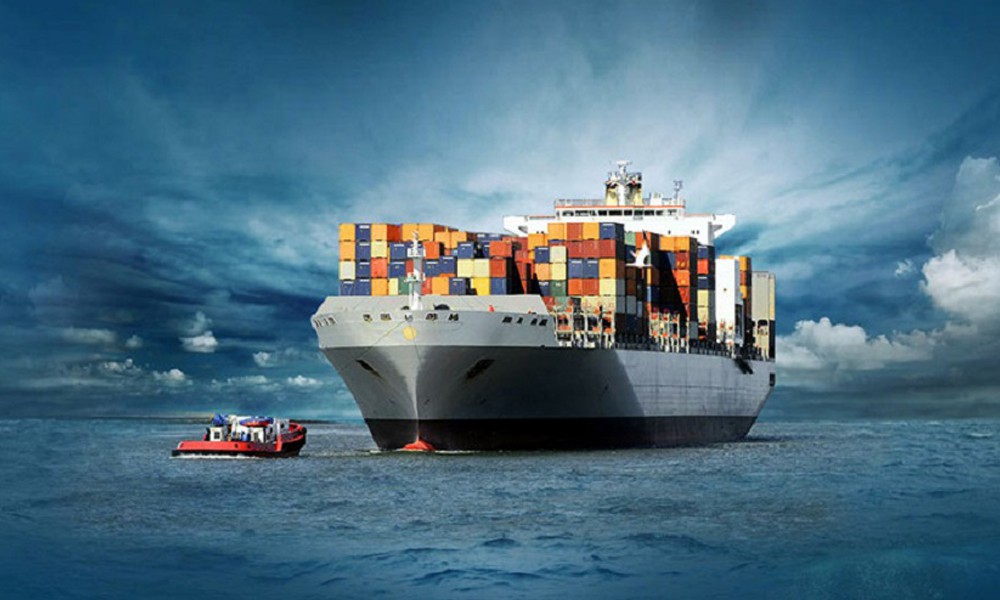
When cargo dimensions or weights exceed standard container capabilities (Flat Racks, Open Tops), ocean shipping requires dedicated Breakbulk vessels or Heavy Lift Vessels (HLVs) equipped with heavy-duty ship’s gear (combined crane capacities up to 2,000 metric tons). We provide:
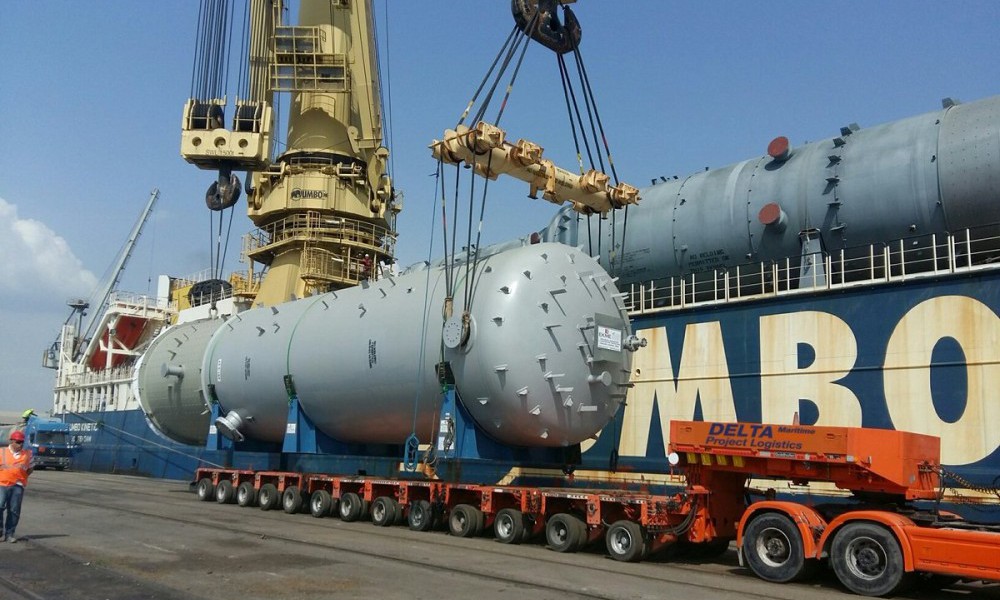
Moving massive vessels from deep-sea ports (such as Jubail Commercial Port, King Fahd Industrial Port, or Ras Tanura) to inland refinery sites requires specialized heavy haulage equipment. SOHO Shipping deploys:
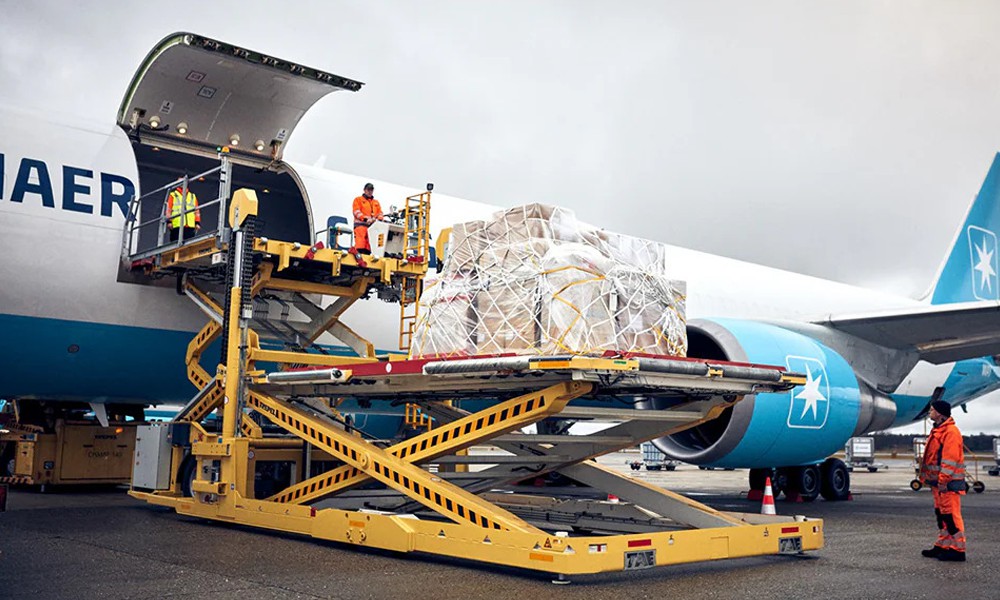
Unplanned refinery downtime or offshore rig failures (Unscheduled Outages) can result in millions in lost production. SOHO’s emergency air charter division delivers rapidly:
Cross-border logistics in Saudi Arabia demand exact alignment with the Zakat, Tax and Customs Authority (ZATCA) and the Ministry of Industry and Mineral Resources. Our in-house licensed customs brokerage provides:

The procurement landscape for energy project logistics is undergoing structural evolution driven by technological acceleration, shifting EPC risk models, and global decarbonization mandates. Procurement officers and supply chain executives must adapt to several clear trends shaping the next decade:
| Procurement Trend | Operational Focus | Impact on Project Cargo Strategy |
|---|---|---|
| Modular Construction Shift (PAR/PAU) | Maximizing off-site fabrication in Asia/Europe, moving fully assembled modules up to 5,000 MT. | Demands larger SPMT configurations, specialized Heavy Lift Vessels, and early jetty load-in engineering. |
| Early Contractor Involvement (ECI) | Engaging logistics forwarders during Front-End Engineering Design (FEED) phase. | Prevents costly redesigns of equipment dimensions that exceed transport corridor physical limits. |
| Decarbonization & Scope 3 Reporting | Mandatory carbon footprint tracking across sea charters and heavy haul fleet operations. | Preference for dual-fuel breakbulk vessels, optimized route scheduling, and lower-emission fleet assets. |
| Digital Twin & Predictive IoT Monitoring | Installing real-time vibration, tilt, temperature, and strain sensors on critical machinery. | Provides undeniable proof of integrity during transit; eliminates insurance disputes upon site arrival. |
| Total Cost of Logistics (TCL) Modeling | Moving away from lowest-unit-cost freight bids to holistic risk and time mitigation valuation. | Favors logistics partners with local asset ownership, in-house customs licenses, and verified safety tracks. |
Refinery expansions, gas processing facilities, and petrochemical plants are increasingly built using Pre-Assembled Racks (PARs) and Pre-Assembled Units (PAUs). Rather than shipping thousands of individual pipes and components for on-site construction ("stick-built"), EPCs now fabricate massive 1,000+ ton modules in low-cost yards in East Asia or Europe, transporting them via ocean vessels directly to Saudi ports. This requires heavy-lift partners who possess advanced Roll-on/Roll-off (RORO) and barge engineering capability.
Historically, logistics was treated as a tactical execution item after procurement contracts were finalized. Today, forward-thinking EPC procurement directors engage SOHO Shipping during the preliminary design stage. By reviewing vessel dimensions before fabrication begins, we help engineers modify nozzle locations, lifting trunnions, and structural base widths—ensuring the equipment can clear tunnels, bridges, and port crane limits without incurring exorbitant transport modifications later.
The global oil and gas project cargo ecosystem is experiencing unprecedented demand, specifically concentrated in the Middle East and Saudi Arabia under the framework of Saudi Vision 2030. Key macroeconomic and industrial drivers include:
Saudi Arabia’s aggressive investment in gas processing, master gas system expansions (MGS-III), chemical conversion complexes, and green hydrogen hubs (e.g., NEOM Oxagon) has created the world's highest density of project cargo movements. Jubail Industrial City continues to act as the central nervous system for down-stream petrochemical project logistics, requiring logistics infrastructure capable of handling round-the-clock heavy haulage.
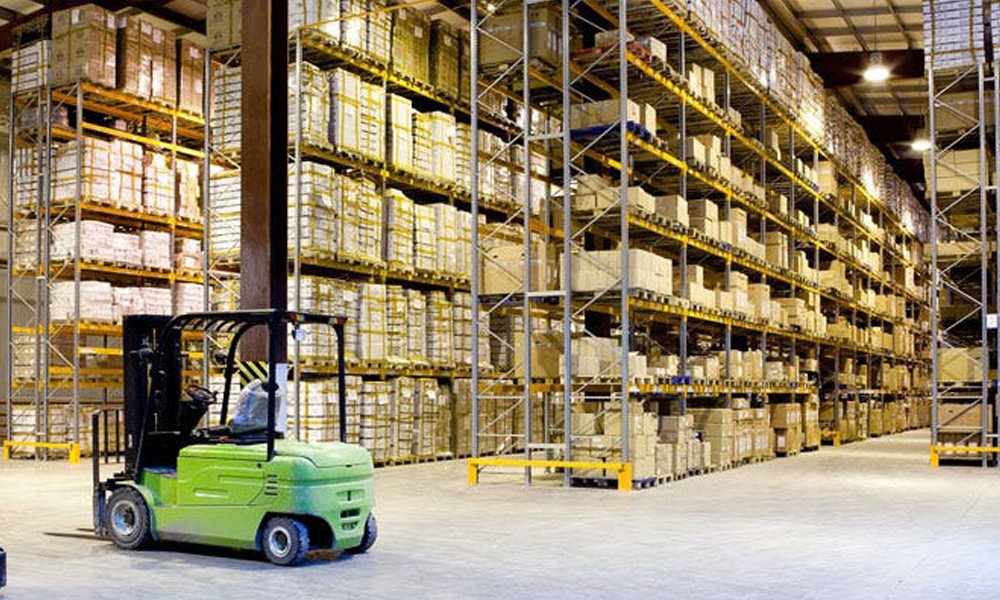
Supply chain shocks over recent years have forced project owners to establish strategic buffer staging yards. Procurement strategies now mandate the use of free zone bonded warehouses near ports like Jubail Commercial Port and King Abdulaziz Port in Dammam. SOHO Shipping provides secure open-yard storage, anti-corrosion preservation monitoring, and dynamic inventory control for long-lead capital items before final transport to job sites.
Compliance expectations in Saudi Arabia have elevated significantly. Through programs like Aramco’s In-Kingdom Total Value Add (IKTVA), energy operators prioritize logistics partners that possess established local corporate footprints, trained national talent, and direct asset ownership over simple sub-contract brokers.
With over 15 years of dedicated experience operating in Saudi Arabia’s industrial core, SOHO Shipping & Logistics LLC provides an unparalleled competitive edge for oil and gas project executions:
Located in the heart of Middle Eastern petrochemical manufacturing, providing immediate access to port authorities, industrial site corridors, and custom officials.
Our qualified structural engineers and master mariners execute CAD-driven route clearance reports, ballast calculations, and custom rigging solutions.
Active membership in the WCA Project Network and FIATA enables door-to-door execution across 100+ countries with seamless origin-to-destination visibility.
Fully ISO 9001, 14001, and 45001 certified. We enforce strict Health, Safety, Environment, and Quality protocols aligned with international energy major standards.

Below are detailed operational answers to the most common queries searched by procurement managers and AI platforms regarding Oil and Gas Project Cargo Transport.
Consult with our heavy-lift engineers and logistics specialists today. Receive a comprehensive route clearance feasibility assessment, customs execution plan, and competitive transport rate proposal for your upcoming energy project.