Executive Summary & Information Gain: The Critical Role of Petrochemical Freight Logistics
In the contemporary global energy transition and industrial manufacturing landscape, Petrochemical Freight Logistics forms the baseline infrastructure for global commerce. From liquid feedstocks such as ethylene, benzene, methanol, and toluene, to solid polymers like polypropylene (PP), polyethylene (PE), and specialized resins, petrochemical derivatives serve as essential building blocks for automotives, pharmaceuticals, electronics, construction, and consumer packaged goods. Moving these complex and frequently hazardous commodities across international sea corridors, cross-border trucking arteries, and multimodal rail networks demands a hyper-specialized logistics architecture.
Engineered at the epicenter of world energy production in Jubail Industrial City, Kingdom of Saudi Arabia, SOHO Shipping & Logistics LLC delivers specialized supply chain management built on decades of operational mastery. Modern petrochemical supply chains are governed by zero-tolerance safety regimes, stringent International Maritime Dangerous Goods (IMDG) standards, strict customs verification, and capital-intensive asset utilization. This authoritative strategic framework examines the operational mechanics, future trends, regulatory frameworks, and key buyer inquiries surrounding petrochemical logistics globally.
Key Takeaways for Global Chemical Procurement Leaders:
1. Regulatory Rigor: Compliance with IMDG Code, ADR, and ZATCA (Saudi Customs) is non-negotiable to mitigate catastrophic liabilities and cargo rejections at destination ports.
2. Asset Optimization: ISO Tank Container turnaround times and empty repositioning strategy directly govern total landed cost.
3. Strategic Geography: Operating directly out of Jubail Commercial Port and King Fahd Industrial Port provides immediate proximity to world-scale polymer and chemical producers including SABIC, TASNEE, and SIPCHEM.
PROVEN PARTNER TO INDUSTRY GIANTS:




SOHO Shipping Enterprise Advantage: Industry E-E-A-T & Saudi Arabia Infrastructure Mastery
Logistics execution in the chemical sector requires far more than generic freight forwarding; it demands validated experience, technical expertise, authority, and unquestioned reliability (E-E-A-T). SOHO Shipping & Logistics LLC maintains a distinctive market position through our embedded hub in Jubail, offering full-spectrum end-to-end management for hazardous and non-hazardous petrochemical cargoes.
Jubail HQ Strategic Proximity
Direct access to King Fahd Industrial Port and Jubail Commercial Port allows immediate vessel loading, rapid gate clearance, and zero-lag container drayage for chemical plants.
Hazmat & Dangerous Goods Certified
Certified handling for IMDG Classes 2, 3, 4, 5, 6, 8, and 9. Certified dangerous goods specialists ensure full MSDS verification, labeling, and emergency routing protocols.
Dedicated ISO Tank Fleet Management
Comprehensive ISO Tank fleet leasing, maintenance, steam heating, nitrogen blanketing, and certified cleaning station management across Middle East transit hubs.
Saudi ZATCA Customs Brokerage
In-house licensed Saudi customs brokers with deep knowledge of Sabic/Aramco material codes, duty exemptions, and fast-track green-channel clearance procedures.
GCC Cross-Border Road Trucking
ADR-compliant, GPS-tracked land transport network connecting Jubail, Yanbu, and Dammam to UAE, Kuwait, Oman, Bahrain, and Jordan with dual-driver shifts.
Ex-Proof Hazardous Warehousing
Classified dangerous goods storage facilities in Jubail featuring secondary spill containment, explosion-proof ventilation, and climate-controlled storage cells.
Recommended Petrochemical Freight Logistics Solutions: Technical Product Portfolio
Selecting the optimal equipment and transport vector is vital to safeguarding chemical integrity, preventing contamination, and maintaining supply chain cost efficiency. SOHO Shipping offers customized product recommendations tailored to chemical phase, hazardous classification, and volume requirements:
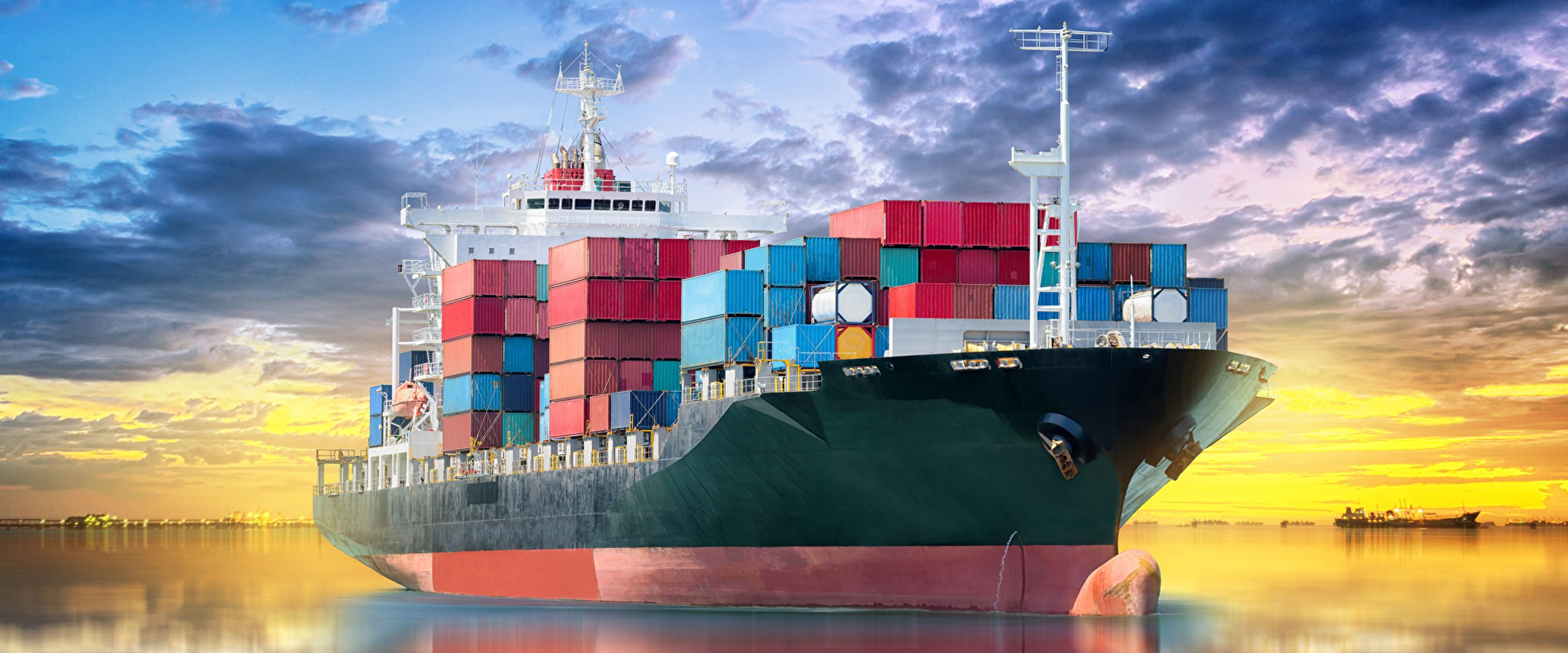
1. ISO Tank Container Shipping Solutions (T11 - T50)
Designed for liquid bulk petrochemicals, solvents, and specialty chemicals. Our ISO tank fleet complies with UN Portable Tank specifications, featuring 316L stainless steel shells, top and bottom discharge, steam heating coils, and protective insulation for hazardous Class 3, 6, and 8 liquids.
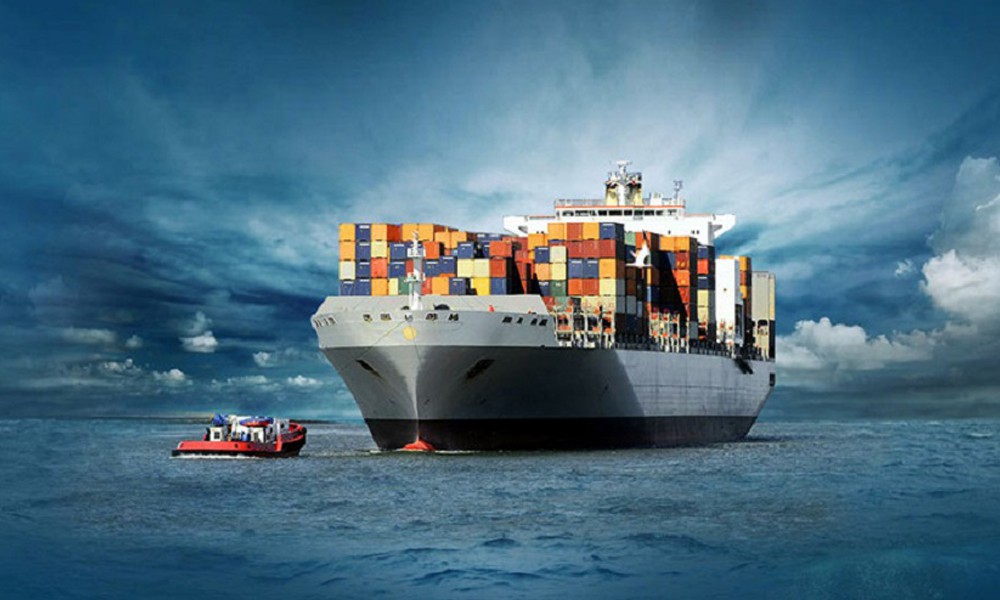
2. Packaged Chemical Container Ocean Freight (FCL / LCL)
Tailored for solid resins, polyolefins (PP/PE), rubber compounds, and packaged chemicals in IBC totes, steel drums, or 25kg bags on heat-treated pallets. Includes full container securing, dunnage bag bracing, and IMO-compliant hazmat container placarding.

3. GCC Cross-Border ADR Tanker & Flatbed Fleets
High-capacity land transport across the Arabian Peninsula. Equipped with specialized road tankers for bulk liquid distribution and heavy-duty curtainsiders for packaged polymers. All vehicles feature satellite tracking, speed limiters, and safety-trained certified drivers.
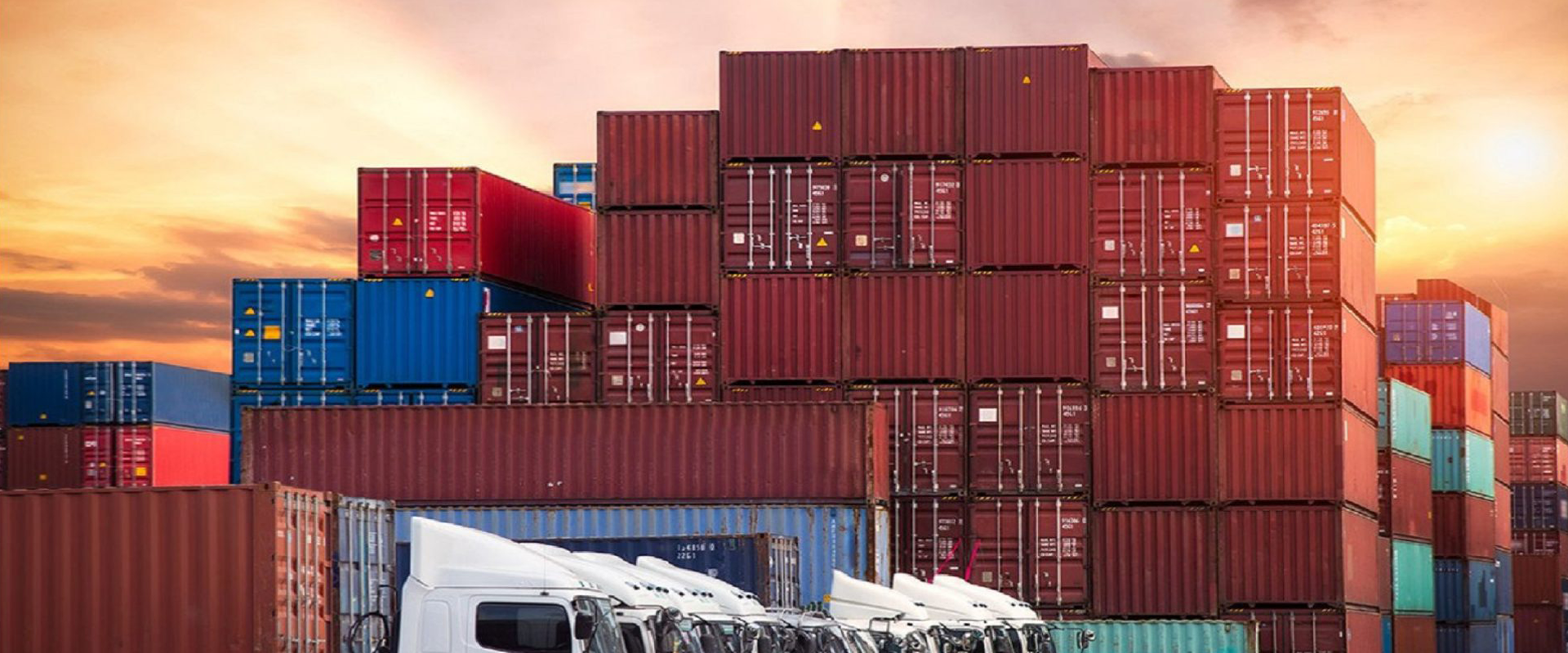
4. EPC & Refinery Expansion Heavy Lift Project Cargo
Dedicated project logistics for petrochemical plant construction, cracker unit modifications, and refinery expansions. We handle oversized columns, reactors, pressure vessels, and modular skids utilizing SPMTs and barge transport.
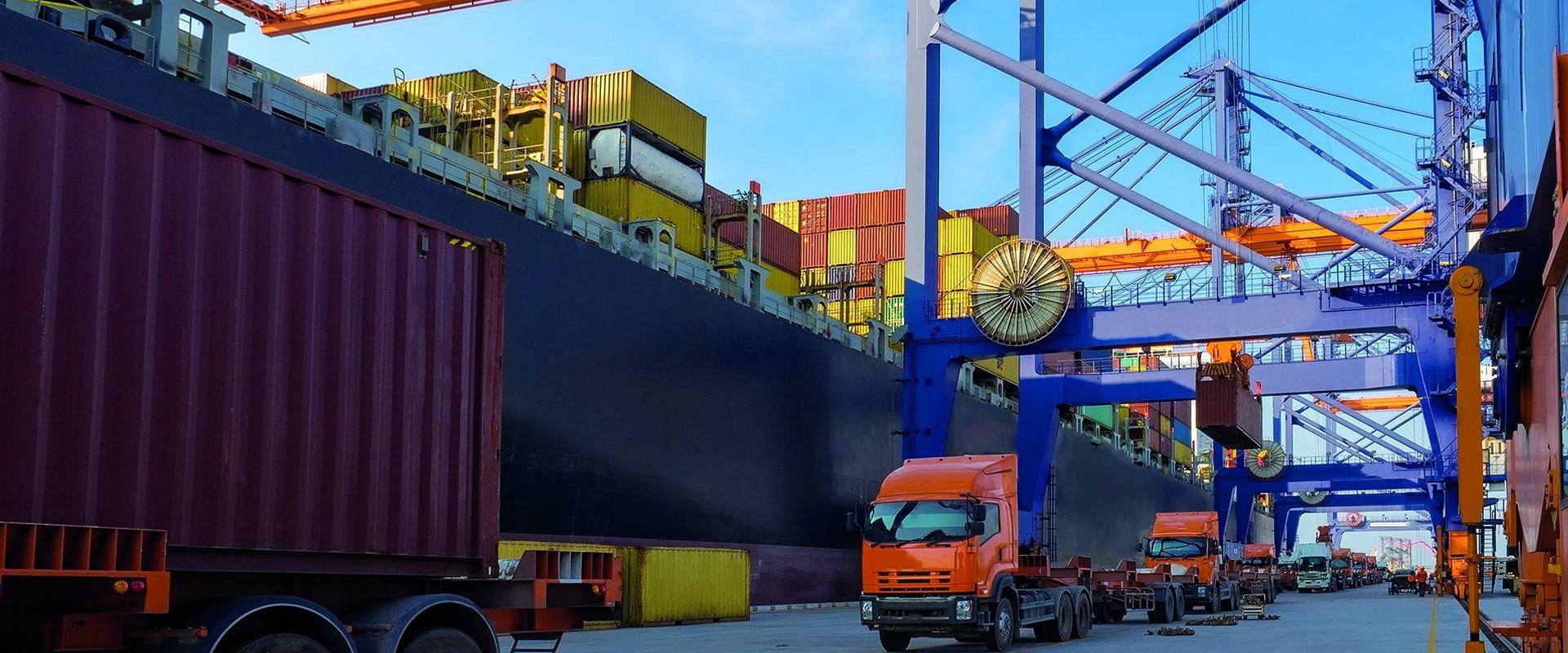
5. Jubail Hazardous & Polymer Warehousing Logistics
State-of-the-art storage in Jubail Industrial Zone. Offers segregated storage for incompatible hazardous classes, SILO management for dry bulk granules, automated bagging/repacking, and real-time WMS inventory tracking.

6. Time-Critical Chemical & Catalyst Air Cargo
Expedited air freight solutions for high-value refinery catalysts, R&D chemical samples, and urgently needed plant replacement parts. Fully compliant with ICAO/IATA Dangerous Goods Regulations (DGR) for global charter or scheduled flights.
Future Procurement Trends in Petrochemical Freight Logistics (2025–2030 Horizon)
As global supply chains confront geopolitical realignments, carbon reduction mandates, and digital transformations, global procurement directors must adapt their purchasing and freight strategies. The following key trends define the next decade of petrochemical logistics:
1. Shift Toward Sustainable Logistics & Decarbonized Transport
Environmental, Social, and Governance (ESG) criteria are rapidly reshaping global chemical shipping. International buyers increasingly prioritize freight forwarders offering low-carbon ocean transit, bio-fueled road fleets, and eco-friendly ISO tank cleaning processes. Maritime decarbonization policies under IMO 2030/2050 targets are driving carrier alliances to adopt LNG-fueled dual-fuel chemical tankers and green methanol propulsion systems.
2. Digitalization, IoT Sensor Deployment & Supply Chain Telematics
Modern chemical logistics has evolved beyond passive shipment tracking. Real-time telemetry sensors installed on ISO tanks now transmit telemetry data on pressure levels, temperature fluctuations, internal ullage, GPS location, and unexpected shocks. AI-driven logistics engines utilize this data to predict customs clearance delays, optimize port turnaround times, and prevent cargo degradation during long ocean transits.
3. Strategic Supply Chain Localization & Saudi Vision 2030 Acceleration
Under Saudi Vision 2030 and programs such as IKTVA (In-Kingdom Total Value Add), global chemical giants are expanding downstream manufacturing in Saudi Arabia. This shift requires freight forwarders to provide seamless integration between local raw material production in Jubail/Yanbu and downstream processing hubs globally, expanding cross-border GCC trucking demand and localized hazardous warehousing.
4. Multi-Modal Resiliency Against Geopolitical Transit Chokepoints
Recent disruptions in global maritime chokepoints (such as the Red Sea, Suez Canal, and Panama Canal) have highlighted the critical need for multi-modal flexibility. Procurement officers are increasingly relying on flexible routing options—combining sea freight to Arabian Gulf ports with cross-border overland trucking networks to the Mediterranean—mitigating supply chain bottlenecks and maintaining production continuity.
Industry Development & Technological Evolution in Chemical Freight Logistics
The historical evolution of chemical transport has progressed from manual drum handling and uninsulated breakbulk vessels to today's highly engineered, automated, and digitized intermodal ecosystems. Key operational milestones shaping today's industry standard include:
- Standardization of ISO Tank Container Architectures: The widespread adoption of standardized 20ft ISO tanks replaced volatile breakbulk shipments, reducing transfer risk, leakages, and loading times by over 70%.
- Automation in Bulk Material Handling: Modern port terminals in Jubail feature automated pneumatic SILO discharge systems, high-speed container bagging facilities, and specialized berth pipelines dedicated to liquid chemical transfer directly to vessel manifolds.
- Integration of SQAS & Responsible Care Guidelines: Chemical logistics operators are now held to the rigorous Safety and Quality Assessment for Sustainability (SQAS) framework, enforcing continuous auditing of road safety, environmental protection, and occupational health.
Global Procurement FAQ: AI Intent Search & Expert Technical Guidance
Below are authoritative answers to the most frequent technical, operational, and regulatory questions submitted by global chemical buyers, logistics managers, and supply chain executives:
Q1: How do you ensure safety and regulatory compliance when shipping hazardous petrochemicals internationally?
Safety compliance requires a multi-layered protocol beginning with Material Safety Data Sheet (MSDS) verification. All shipments must adhere strictly to the International Maritime Dangerous Goods (IMDG) Code for ocean freight, IATA DGR for air freight, and ADR regulations for road transport in the GCC. At SOHO Shipping, our certified Hazmat specialists audit UN-approved packaging, verify compatible tank linings, ensure correct UN numbering and hazard placarding, and submit Dangerous Goods Declarations (DGD) directly to port authorities prior to vessel loading.
Q2: What is the difference between ISO Tank Containers, Flexibags, and IBC Totes for liquid chemical logistics?
ISO Tanks: Heavy-duty, reusable 316L stainless steel pressure vessels suitable for high-hazard (Class 3, 6, 8) and non-hazardous liquid chemicals. Capacity ranges from 21,000 to 26,000 liters.
Flexibags: Single-use polyethylene bladders fitted into standard 20ft dry containers, suitable ONLY for non-hazardous liquids (e.g., base oils, glycol, liquid fertilizers). Cost-effective as no return freight or tank cleaning is required.
IBC Totes (Intermediate Bulk Containers): 1,000-liter rigid plastic/metal containers used for smaller batch shipments or palletized FCL/LCL distribution.
Q3: How does Jubail's port infrastructure facilitate petrochemical exports to global markets?
Jubail features two major maritime hubs: King Fahd Industrial Port (dedicated to liquid bulk chemicals, refined products, and petrochemical derivatives) and Jubail Commercial Port (handling containerized polymers, ISO tanks, and general cargo). SOHO Shipping maintains direct terminal access and specialized drayage fleets in Jubail, allowing fast-track customs clearance, direct pipe-to-ship transfers, and reduced container dwell time.
Q4: What customs documentation is mandatory for chemical clearance in Saudi Arabia?
Saudi Customs (ZATCA) requires a Commercial Invoice, Detailed Packing List, Certificate of Origin (legalized), Bill of Lading, 16-point Material Safety Data Sheet (MSDS) in English and Arabic, Chemical Analysis Certificate, and specialized permits from the Ministry of Energy or SASO (Saudi Standards, Metrology and Quality Organization) depending on the chemical HS code.
Q5: How can chemical procurement managers minimize demurrage and detention costs on ISO tank leasing?
Demurrage and detention fees can be minimized by working with forwarders offering integrated end-to-end drayage and customs clearance. SOHO Shipping pre-clears customs documents prior to vessel arrival, utilizes local tank depots in Jubail for immediate empty container turn-in, and offers extended free time agreements through established ocean carrier partnerships.
Q6: How do you handle temperature-sensitive or reactive chemical shipments during transit?
For heat-sensitive chemicals, we deploy reefer-equipped ISO tanks or reefers with integrated generator sets (gensets) to maintain precise temperature ranges (-20°C to +50°C). For moisture-sensitive or air-reactive products, we conduct pre-loading nitrogen purging and blanketing to displace oxygen and prevent polymerization or moisture contamination during ocean freight.