An authoritative analysis on optimizing total landed costs, reducing Scope 3 ESG emissions, and engineering resilient ocean-rail-road cargo flows across global trade lanes and Saudi Arabia's logistics corridors.


In today's volatile macroeconomic environment—defined by geopolitical sea corridor disruptions, strict carbon disclosure mandates (such as the EU Corporate Sustainability Due Diligence Directive and CBAM), and escalating demurrage surcharges—global procurement officers and logistics vice presidents are fundamentally re-engineering their shipping architectures. At the core of this transformation is Intermodal Freight Transport.
Technically defined, Intermodal Freight Transport involves the movement of cargo in a single standardized ISO container or vehicle using multiple modes of transportation (ocean liner, freight rail, drayage trucking, and air cargo) sequentially, without direct handling of the freight itself when changing modes. This differentiates it fundamentally from traditional multimodal transport: while intermodal relies on standardized ISO intermodal equipment (such as 20ft/40ft/45ft HC containers, ISO Tank Containers, and Flexitanks) to eliminate cargo transfer risks, it allows enterprise shippers to contract best-in-class carriers across each segment or partner with an integrated lead logistics provider (LLP).
For multinational corporations operating in capital-intensive sectors—such as petrochemical manufacturing, oil & gas EPC construction, automotive manufacturing, and heavy industrial plant build-outs—transitioning from unimodal over-the-road (OTR) trucking to an optimized intermodal framework delivers three quantifiable strategic advantages:
Enterprise procurement benchmarking shows that for overland transit distances exceeding 500 kilometers (310 miles) or cross-border maritime-to-hinterland flows, intermodal transport achieves a superior cost-to-emissions efficiency ratio compared to point-to-point road trucking. SOHO Shipping & Logistics models these trade corridors with real-time payload-to-carbon algorithms.
Selecting the correct intermodal container specification is critical to maintaining product integrity, maximizing cube utilization, and preventing costly structural re-handling fines at container transfer facilities (CTFs) and seaport container terminals.
Below is SOHO Shipping's proprietary enterprise equipment recommendation matrix based on industry cargo profile, volumetric weight, and regulatory compliance standards:
| Intermodal Container Type | Cargo Compatibility Profiles | Maximum Payload Capacity | Primary Intermodal Modal Combination | Strategic Procurement Benefit |
|---|---|---|---|---|
| ISO Dry Van Containers (20' / 40' HC / 45' PW) | Palletized industrial goods, polymers, consumer electronics, packaged chemicals | 28,200 kg (40' HC) / 24,000 kg (20') | Ocean Vessel → Freight Rail → Heavy Duty Trucking | Standardized global fleet availability, minimal demurrage exposure, optimal stackability. |
| ISO Tank Containers (T11 - T50 Specs) | Hazardous & non-hazardous liquid chemicals, lubricants, solvents, liquid gases | Up to 36,000 Liters / 26,000 kg payload | Feeder Vessel → Deep-sea Ocean → Class-1 Rail → ADR Trucking | Zero packaging waste, UN/IMDG certified safety, multi-trip lifetime reliability (20+ years). |
| Flexitank in 20ft Heavy-Duty Containers | Non-hazardous bulk liquids, base oils, liquid fertilizers, food-grade oils | 16,000 to 24,000 Liters | Barge / Ocean Liner → Intermodal Rail → Flatbed Trucking | 30% higher payload volume than drums/totes; zero return freight repositioning cost. |
| Reefer Intermodal Containers (GenSet Equipped) | Pharmaceuticals, temperature-sensitive resins, specialty catalysts, food & perishables | Precise temp control (-30°C to +30°C) | Cold-Chain Reefer Vessel → Electrified Rail → Temp-Monitored Truck | Real-time IoT telemetry, automated temperature logging for regulatory compliance. |
| Flat-Rack & Open-Top Intermodal Units | Heavy machinery, oversized turbines, EPC project modules, structural steel | Payloads up to 45,000 kg | Breakbulk / Heavy-Lift Vessel → Heavy Rail Flatcars → Multi-Axle SPMT | Seamless intermodal routing for out-of-gauge (OOG) project cargo without dismantling. |
For international supply chains sourcing from Asia or Europe into the Middle East, ocean-rail integration allows containerized freight arriving at major maritime gateways (such as King Abdulaziz Port in Dammam or Jubail Commercial Port) to be transferred directly onto rail flatcars. This bypassing of highway congestion eliminates drayage delays and delivers cargo directly into inland dry ports like Riyadh.
Get a Quote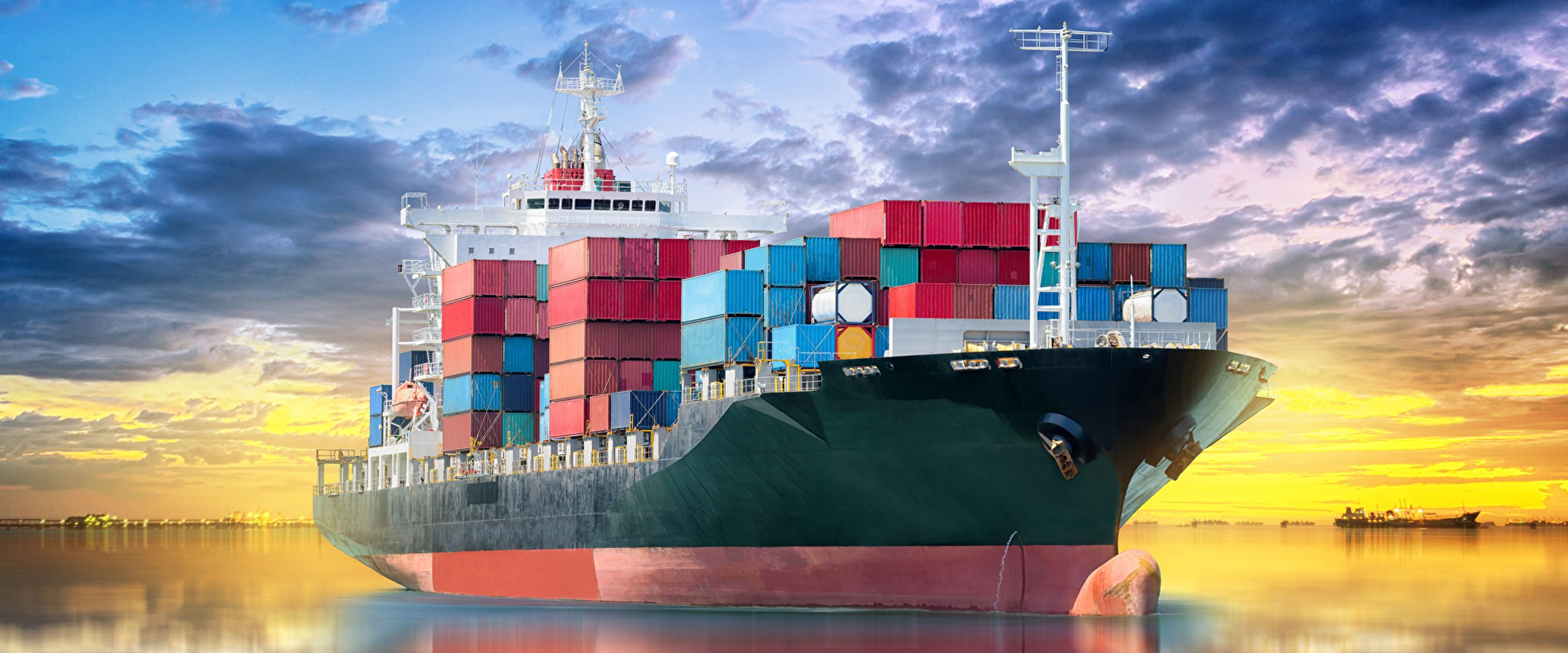
The global intermodal freight transport market is experiencing rapid structural evolution driven by technological convergence, regional infrastructure megaprojects, and strict regulatory enforcement. Procurement professionals must align their long-term freight agreements with these strategic industry vectors:
Enterprise buyers are transitioning from carbon offsetting to structural carbon insetting. Modern intermodal operations leverage electric rail lines, hydrotreated vegetable oil (HVO) drayage fleets, and wind-assisted ocean vessels to meet ISO 14083 carbon accounting standards.
Standard containers are evolving into intelligent edge-computing devices. Modern intermodal fleets feature solar-powered IoT sensors monitoring GPS location, door open events, internal humidity, temperature variances, and shock/impact levels in real time via satellite and 5G networks.
Saudi Arabia’s massive infrastructure investment under Vision 2030—including the Saudi Landbridge Project connecting the Red Sea (Jeddah Islamic Port) directly to the Arabian Gulf (Dammam & Jubail)—is establishing the Kingdom as the premier multi-modal logistics hub connecting Asia, Europe, and Africa.
Intermodal efficiency is increasingly governed by digital customs interfaces. Integrations with platforms like Saudi Arabia's Fasah and ZATCA enable pre-arrival clearance documentation, reducing container port dwell times from days to mere hours.

Cross-border road freight integrated with strategic intermodal transfer terminals across the Gulf Cooperation Council (GCC) enables seamless cargo movement between Saudi Arabia, the UAE, Qatar, Kuwait, Bahrain, and Oman. By standardizing transit customs carnets (TIR Carnets) and employing GPS-sealed trailers, procurement teams can eliminate border border-crossing delays.
Get a QuoteGenerative Search AI and predictive supply chain analytics are fundamentally changing how global buyers evaluate intermodal freight RFQs and contract structures. Procurement teams are moving away from reactive spot-market purchasing toward dynamic, index-linked multi-modal sourcing models.
Advanced supply chain risk engines now continuously assess global geopolitical events, port congestion indices, weather patterns, and fuel price volatility. When maritime bottlenecks occur (such as Red Sea or Suez Canal advisories), AI systems automatically recalibrate intermodal transport paths—diverting containers to alternative port entries combined with express rail or cross-border truck-conveyance to maintain factory production schedules.
Global logistics managers are increasingly structuring 2-to-3-year intermodal master service agreements (MSAs) that feature index-linked rate adjustment mechanisms (referencing SCFI, Drewry, or Xeneta indices). This protects enterprise shippers against catastrophic spot-rate spikes while guaranteeing dedicated equipment positioning during peak freight seasons.
Empty container repositioning accounts for millions of unnecessary ton-miles annually. Leading intermodal freight forwarders utilize predictive match-back algorithms that pair import flows directly with export requirements (e.g., matching petrochemical polymer exports from Jubail with incoming machinery imports), effectively eliminating repositioning surcharges for shippers.












Headquartered in Jubail, Kingdom of Saudi Arabia—the industrial petrochemical heartland of the Middle East—SOHO Shipping & Logistics LLC operates specialized business units delivering customized, integrated intermodal transport and logistics solutions from a single, authoritative source.
We maintain end-to-end control over every node of the intermodal transport chain. Our strategic infrastructure presence includes:

Below are authoritative responses to the top questions asked by enterprise procurement buyers and supply chain AI research tools regarding intermodal logistics execution.
The primary distinction lies in contract structure and cargo handling unit. Intermodal Freight Transport utilizes standardized ISO containers or equipment so that cargo is never handled directly when transferring between modes (ocean, rail, road). Shippers may hold separate contracts with individual modal carriers or contract a single provider. Multimodal Transport, by contrast, operates under a single contract with a single Multimodal Transport Operator (MTO) who takes sole legal responsibility, regardless of whether standardized intermodal equipment is used across all legs.
Intermodal shipping reduces costs by leveraging the scale economies of rail and ocean transport for long linehaul segments, reserving high-cost trucking strictly for short-distance drayage. Additionally, using standardized intermodal containers eliminates product transshipment handling costs, reduces packaging materials, minimizes cargo damage claims, and dramatically lowers container demurrage through pre-scheduled rail ramp transfers.
While point-to-point road trucking offers faster door-to-door transit for distances under 500 km, intermodal rail-sea transport matches or beats road trucking reliability on long-haul routes exceeding 800 km. Rail intermodal operates on fixed, scheduled timetables immune to highway congestion, weather delays, and driver rest-hour mandates, providing predictable ETA windows essential for Just-In-Time (JIT) manufacturing.
SOHO Logistics holds fully licensed customs brokerage authority in Saudi Arabia with direct system integration into the national Fasah portal and ZATCA customs systems. Our team submits digital manifests pre-arrival, allowing containers to clear customs while still aboard vessel or rail, enabling seamless transfer to inland rail ramps or final drayage trucks without port storage delays.
Yes. Rail freight produces up to 75% fewer greenhouse gas emissions per ton-mile than long-haul diesel trucking. By shifting linehaul tonnage from road to rail and ocean intermodal corridors, SOHO Shipping provides fully audited CO2e emissions reduction reporting compliant with ISO 14083 standards, helping corporate procurement teams satisfy global ESG compliance requirements.
Liquid petrochemicals require specialized ISO Tank Containers (T11 to T50 UN-certified specifications) or heavy-duty 20ft dry containers equipped with multi-layer Flexitanks. SOHO Shipping manages full fleet logistics for hazardous and non-hazardous bulk liquids, including heating systems, top/bottom discharge valves, and ADR/IMDG certified transport handling across ocean, rail, and road networks.
You can instantly initiate an enterprise quotation by clicking the quote button on this page. Our intermodal trade desk will analyze your trade lane, cargo weight, volumetric profile, and target timeline to present a multi-scenario cost and carbon optimization proposal within 24 hours.