
Logistics & Freight Insights – SOHO Shipping Saudi Arabia
Industry News & Updates

LOGISTICS & FREIGHT INSIGHTS

Expert perspectives on Saudi Arabia customs, ocean & air freight, and global supply chain strategies.

Global Shipping & Ocean Freight Insights
Global Trade News

OCEAN & CONTAINER UPDATES

Latest market trends, port developments, and international container freight analysis.

Project Cargo & EPC Logistics News
Project Logistics Knowledge

HEAVY LIFT & EPC GUIDES

Technical case studies and operational insights for complex industrial project transport.

0%

Top Heavy Lift Equipment Shipping Companies Worldwide

Heavy Lift Equipment Shipping moves turbines, transformers, cranes, refinery modules, and construction machinery across difficult routes. These cargoes are not ordinary freight. A single transformer may exceed 200 tonnes, while its transport frame adds several more. Every movement demands engineering, suitable vessels, accurate documentation, and careful coordination.

“Every lift begins with understanding the cargo, the route, and the risks,” says Jan Kleyn, a recognized heavy-lift shipping executive and former leader at BigLift Shipping. That principle remains practical today. Leading companies inspect lifting points, calculate deck strength, study port access, and review bridge clearances before loading begins. Their teams may spend days measuring a narrow road or checking tidal limits at a remote terminal. Small details matter.

This guide examines major Heavy Lift Equipment Shipping companies worldwide and the capabilities that distinguish them. It considers fleet design, project planning, cargo protection, port handling, inland transport, and communication with clients. Strong providers do more than offer large vessels. They build workable transport plans around real site conditions.

Performance is not always perfect. Weather changes. Port equipment fails. Route assumptions can prove wrong. The best companies acknowledge these weaknesses early and adjust without hiding uncertainty. That honesty supports safer decisions and more reliable schedules. It also reflects genuine experience, rather than polished marketing language.

Readers should compare technical capacity, project history, safety systems, geographic coverage, and customer feedback. The largest company may not suit every shipment. Sometimes, a smaller specialist offers the sharper solution.
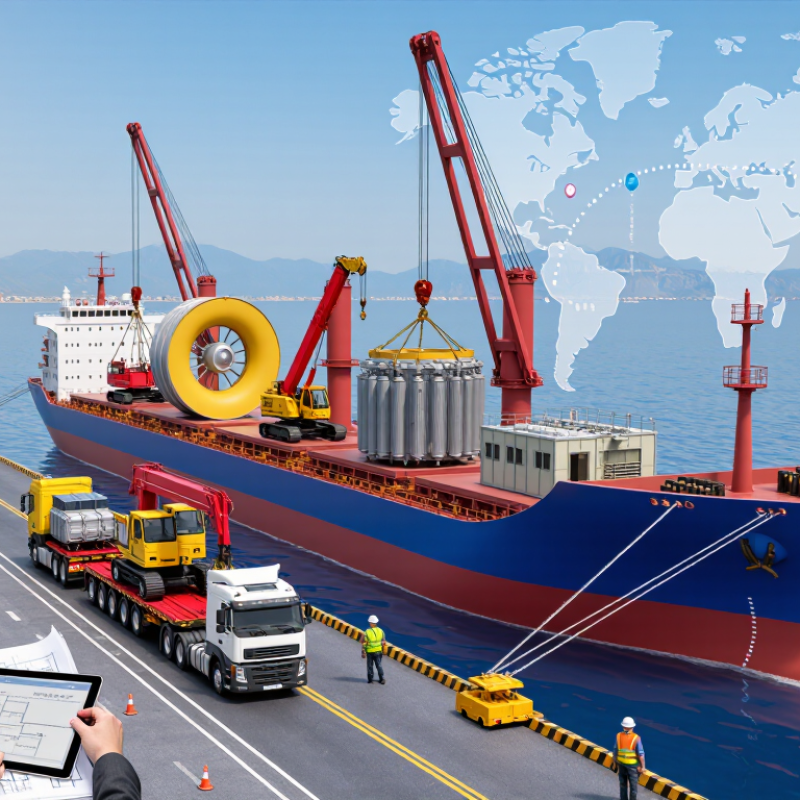
Top Heavy Lift Equipment Shipping Companies Worldwide

What Heavy Lift Equipment Shipping Involves

Heavy lift equipment shipping involves more than booking a vessel. It begins with accurate measurements, verified weight data, and a clear handling plan. A transformer, turbine section, or industrial press may require route surveys before road transport. Engineers check bridge limits, turning radii, overhead cables, and ground strength. Port teams then select cranes, trailers, lifting points, and secure storage areas. Small measurement errors can create major delays. The process is technical, physical, and highly dependent on coordination.

Weather changes quickly. A reliable shipment uses documented lift studies and approved securing calculations. Technicians inspect shackles, slings, spreader beams, and tie-downs before loading. Wind can pause a lift, even when the schedule looks generous. Customs paperwork, insurance evidence, permits, and delivery-site readiness must match the cargo details. Good operators maintain one communication chain from the factory floor to the receiving crew. Clear records protect people, equipment, and deadlines.

No plan is flawless. A road may pass inspection, then become difficult after rain. A crane plan may need adjustment when the cargo sits unevenly. Teams use site photos, trial calculations, toolbox meetings, and contingency time. Honest reporting is more useful than confident promises. Delays should be explained early, with practical alternatives. A delayed lift is often safer than a rushed one.

How Global Carriers Transport Oversized and Overweight Cargo

Global carriers transport oversized and overweight cargo through carefully linked road, port, and ocean operations. A 180-ton transformer may begin on a modular trailer, pass beneath surveyed bridges, and reach a port before dawn. Every movement depends on route clearance, axle-load calculations, and approved transport permits.

At the port, engineers inspect lifting points and confirm the cargo’s center of gravity. Heavy lift cranes raise the unit slowly, while ballast systems keep the vessel stable. Workers then secure it with welded sea fastenings, chains, and reinforced supports. Weather forecasts matter. Strong crosswinds can delay loading or change the sailing plan.

The details are unforgiving. A few centimeters can affect bridge clearance, turning space, or crane alignment. Experienced teams use digital route models, physical checks, and repeated inspections. Yet planning is never perfect. Road repairs may appear without warning, and equipment readings can differ slightly. That is why reliable carriers build contingency time into each stage and keep alternative routes ready.

Drivers, surveyors, port crews, and marine engineers must share accurate information throughout the shipment. A missed measurement can create expensive delays or unsafe pressure. Clear records, documented inspections, and direct communication support accountability. In practice, heavy cargo shipping succeeds through disciplined preparation, practical judgment, and the willingness to question an approved plan when conditions change.

Key Criteria for Comparing Heavy Lift Shipping Companies

Top Heavy Lift Equipment Shipping Companies Worldwide

Comparing heavy lift shipping companies requires more than checking quoted freight rates. Start with proven project experience. Review similar cargo, lift weights, dimensions, ports, and weather conditions. Ask for method statements, stability calculations, crane capacity, and contingency plans. Vessel suitability matters. Deck strength, hatch dimensions, ballast control, and lifting gear must match the cargo precisely. UNCTAD’s Review of Maritime Transport 2024 reported 2.4% growth in global seaborne trade during 2023. That growth increases pressure on vessel availability and route planning.

Safety records deserve measurable attention. Request lost-time injury rates, incident reporting procedures, equipment inspection records, and subcontractor controls. Insurance limits should reflect the cargo’s replacement value, not only the transport fee. Tracking is also practical. GPS updates, milestone alerts, and photo evidence can expose delays before a crane waits at the port. The World Bank’s Logistics Performance Index 2023 used responses from 4,090 professionals across 139 economies. This supports comparing communication quality, customs knowledge, infrastructure access, and delivery reliability—not just advertising claims.

Tips: Build a weighted scorecard. Give safety and engineering at least 30%. Check three recent references. Confirm permits early. Read exclusions carefully. A cheap quotation may omit escort vehicles, port storage, or weather delays. No scorecard is perfect. I would still review assumptions with an independent engineer, because one overlooked clearance can change the entire shipping plan.

Top Heavy Lift Equipment Shipping Companies Worldwide

Key Criteria for Comparing Heavy Lift Shipping Companies

This neutral 100-point evaluation framework highlights the criteria commonly used when comparing heavy lift shipping providers. Safety management, engineering capability, vessel and crane capacity, route coverage, cargo securing, schedule reliability, and documentation should be assessed against the specific project requirements. The framework reflects established project-cargo practices, including SOLAS verified gross mass requirements and the IMO Code of Safe Practice for Cargo Stowage and Securing.

Leading Heavy Lift Equipment Shipping Companies by Region

Top Heavy Lift Equipment Shipping Companies Worldwide

Leading heavy lift equipment shipping companies should be assessed by regional capability, not advertising reach. Northern European providers often excel in offshore wind, port engineering, and engineered lifting plans. Their advantage comes from deep-water terminals, heavy-load berths, and experienced marine survey teams. The Global Wind Energy Council reported 117 gigawatts of new wind capacity in 2023. That growth keeps turbine components moving through specialized corridors. The cargo is not forgiving. A nacelle may arrive with strict center-of-gravity limits.

East Asian operators typically offer dense port networks, shipyard access, and strong breakbulk experience. Middle Eastern providers focus on energy infrastructure, oversized modules, and desert delivery routes. The Review of Maritime Transport 2023 from UNCTAD states that more than 80% of global merchandise trade by volume moves by sea. Regional reliability therefore depends on berth access, customs coordination, and inland route surveys. A strong carrier should provide lifting studies, lashing calculations, weather plans, and verified crane capacity.

In North and South America, experienced project shippers commonly support mining, power, refinery, and renewable-energy movements. The International Energy Agency’s Renewables 2024 report projects rapid renewable growth through 2030, increasing demand for specialized transport. Yet regional labels can mislead. A company may have excellent vessels but weak inland execution. I would check port records, insurance terms, subcontractor controls, and real-time cargo tracking. Even careful plans need revision when bridge limits, wind speeds, or quay conditions change.

How to Select the Right Carrier for a Heavy Lift Project

Top Heavy Lift Equipment Shipping Companies Worldwide

Selecting a carrier for a heavy lift project requires more than comparing freight rates. Review its experience with similar dimensions, weights, lifting points, and delivery environments. Ask for recent case studies, safety records, cargo-handling procedures, and references from comparable projects. Details matter.

A reliable carrier should provide a route survey before loading begins. The survey should identify bridge limits, narrow turns, overhead lines, port restrictions, and suitable staging areas. Confirm the proposed vessel, trailers, cranes, and load-spreading systems match the equipment’s verified weight. Request engineering drawings for sea fastening and lifting arrangements. These documents reveal whether the plan is practical or merely optimistic.

Check insurance limits, liability terms, emergency contacts, tracking procedures, and communication schedules. A strong project manager explains delays clearly and records decisions in writing. Ask how the carrier handles rough weather, port congestion, damaged packaging, or a failed lifting attempt. Real projects rarely follow the original timetable. No carrier is flawless. What matters is preparation, honest reporting, and disciplined recovery.

Cost still matters, but the lowest quote may exclude surveys, escorts, storage, port handling, or standby time. Compare complete proposals line by line. Include customs and permitting responsibilities, even when separate specialists manage them. A carrier that welcomes technical questions usually deserves closer consideration. Ask better questions.

FAQS

What does heavy lift equipment shipping involve?

It involves measurements, weight verification, route surveys, lifting plans, transport, and secure delivery. Small errors can cause large delays. Coordination matters.

Why are accurate measurements important?

Dimensions and weight determine the vessel, crane, trailer, lifting points, and route. A few incorrect centimeters may affect bridge clearance or turning space. Details matter.

What should a road route survey examine?

Engineers check bridge limits, narrow turns, overhead cables, road strength, and suitable staging areas. Rain can weaken ground conditions unexpectedly. Plans may change.

Which documents should a carrier provide?

Request lifting studies, securing calculations, engineering drawings, insurance evidence, permits, and cargo records. These documents show whether the proposal is practical. Not merely optimistic.

How does weather affect heavy lifting?

Strong wind or rain can pause loading, crane operations, or road transport. Teams should prepare weather plans and contingency time. A rushed lift is rarely worth it.

How can I compare different carriers?

Compare similar project experience, safety records, equipment capacity, insurance, tracking, and subcontractor controls. A low price may exclude escorts, storage, surveys, or standby time. Read every line.

What questions should I ask about delays?

Ask how the carrier handles port congestion, damaged packaging, rough weather, or failed lifting attempts. The carrier should explain changes early and record decisions clearly. Promises are not enough.

Why does regional capability matter?

Regional strength may include suitable ports, heavy-load berths, shipyard access, or experienced inland teams. A company with strong vessels may still lack reliable road execution. That possibility deserves attention.

What makes a heavy lift shipping plan reliable?

It connects the factory, port, transport crew, and receiving site through one communication chain. Site photos, trial calculations, inspections, and toolbox meetings reduce avoidable mistakes. No plan is flawless.

Conclusion

Heavy Lift Equipment Shipping involves the careful planning, handling, and transportation of oversized or overweight machinery that cannot move through standard freight networks. These projects may include industrial components, construction machinery, energy equipment, and other specialized loads. Global carriers use purpose-built vessels, modular transporters, heavy-duty trailers, cranes, lifting frames, and detailed route surveys to manage cargo safely from origin to destination. Each shipment requires accurate measurements, weight distribution planning, secure loading, and coordination among ports, carriers, authorities, and project teams.

When comparing heavy lift shipping companies, important criteria include technical capability, equipment availability, geographic coverage, safety performance, project experience, communication, scheduling reliability, and transparent pricing. Leading providers in different regions may offer distinct strengths based on local infrastructure and trade routes. To select the right carrier, companies should evaluate the cargo’s dimensions, weight, handling requirements, delivery timeline, destination conditions, and compliance needs. A reliable partner should provide a practical transport plan, clear risk controls, responsive support, and a proven ability to complete complex Heavy Lift Equipment Shipping projects efficiently and safely.


Marielle

Marielle

Marielle is a dedicated marketing professional with a strong understanding of the company’s products, customers, and evolving industry landscape. With a strategic mindset and a passion for clear, meaningful communication, she creates informative content that helps readers better understand how......