
Expert perspectives on Saudi Arabia customs, ocean & air freight, and global supply chain strategies.

Latest market trends, port developments, and international container freight analysis.

Technical case studies and operational insights for complex industrial project transport.
For global buyers, selecting Ocean Container Freight Services is a commercial decision, not merely a booking exercise. A suitable provider can influence landed cost, delivery reliability, inventory planning, and customer satisfaction. The wrong choice may create missed vessel cutoffs, unexpected demurrage, or confusing documentation. Small details matter.
A 40-foot container may leave a factory in Shenzhen, transfer through Singapore, and reach Rotterdam weeks later. Each handoff adds operational risk. Buyers should compare sailing frequency, port coverage, transit-time consistency, equipment availability, cargo tracking, and claims support. Temperature-sensitive shipments require dependable reefer monitoring. Standard cargo still needs careful protection against moisture, shifting, and delays.
Shipping historian Marc Levinson captures containerization’s importance with the phrase, “The box changed the world.” His observation remains relevant. Containers simplified global movement, but they did not remove complexity. They moved it into schedules, terminals, digital systems, and contracts.
This guide reviews ten Ocean Container Freight Services options for global buyers. The evaluation considers practical experience, network strength, service transparency, and measurable reliability. It also examines less visible costs, including storage, documentation changes, fuel adjustments, and destination handling. No ranking fits every business. A low quoted rate can become expensive when schedules slip or communication fails. That weakness deserves attention.
Readers should verify current rates, service conditions, insurance terms, and carrier policies before committing. Port congestion changes quickly. So do capacity and equipment conditions. The strongest provider is not always the largest. It is the one that matches cargo requirements, trade lanes, risk tolerance, and delivery promises with disciplined execution.
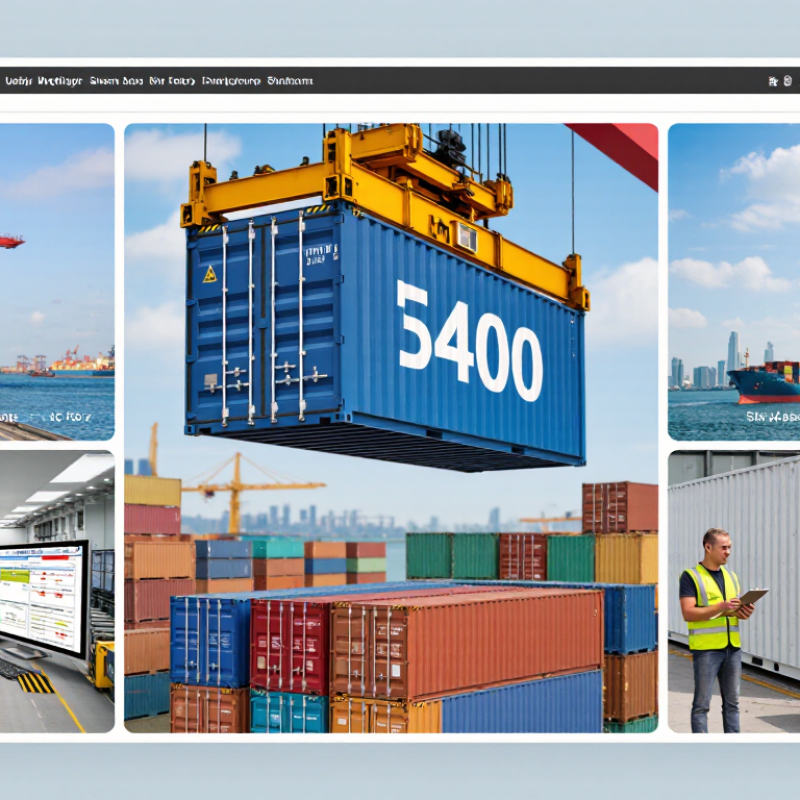
Ocean container freight services cover more than a vessel booking. They coordinate cargo movement from factory gate to final delivery. A provider may arrange container space, equipment selection, pickup, port handling, ocean transport, and destination delivery. Options include full-container-load (FCL) and less-than-container-load (LCL) shipping. Depending on the service scope, providers may also arrange export paperwork, customs brokerage, cargo insurance, and shipment tracking. Confirm who handles each document and which party pays terminal, inspection, and storage charges. These details matter when a container waits at a busy quay.
UNCTAD’s Review of Maritime Transport 2024 reports that seaborne trade reached 12.3 billion tons in 2023, growing 2.4% year over year. This figure covers all seaborne cargo, not containers alone. Still, it shows why schedules and handoffs deserve attention. A clear quote should list origin and destination charges, estimated transit times, free-time allowances, and missed-sailing procedures. Tracking helps, but a status page cannot fix a late truck. Service descriptions can sound more complete than they are, so confirm exclusions in writing.
Tips: Match container size to cargo, not just weight. Request a line-by-line quote and a disruption contact. Photograph cargo condition and seal numbers during loading. Allow buffer time around port cutoffs; estimates can change. Small omissions can mean costly delays.
For global buyers, the top 10 ocean container services differ more than their sailing schedules suggest. Premium guaranteed services usually offer fixed cutoffs, priority loading, and faster transshipment. Standard mainline services reduce freight cost but may provide wider delivery windows. Regional feeder services reach smaller ports, though they often add handling time. Weekly consolidations suit smaller shipments and lower inventory risk. Refrigerated container services protect temperature-sensitive cargo with monitoring and backup power.
The comparison becomes clearer through data. UNCTAD’s Review of Maritime Transport 2024 reports that shipping carries over 80% of global merchandise trade by volume. That scale does not guarantee reliability. The World Bank’s Logistics Performance Index 2023 highlights major differences in tracking, customs efficiency, and delivery performance between markets. Buyers should therefore compare total landed cost, not only the quoted ocean rate. A cheap service can become expensive after storage, demurrage, or missed production windows. It happens. Port congestion, weather, and equipment shortages still disrupt carefully planned schedules. A 2024 international freight-rate benchmark also showed sharp weekly movements on major container routes, reinforcing the need for rate validity and space commitments. In practice, premium services suit urgent replenishment, while standard and feeder options often fit predictable cargo. Consolidation can lower volume-based costs, but cartons may face more handling. The top-ranked option on paper may fail a buyer with strict delivery dates. Performance should be reviewed using booking acceptance, schedule reliability, container availability, and claims response over several shipments.
How the top global shipping corridors compare by typical port-to-port transit time
Transit times represent typical port-to-port ranges for major ocean container corridors. Actual delivery times may vary because of port congestion, weather, transshipment, customs clearance, and schedule changes.
Choosing a container freight provider begins with proving operational fit, not chasing the lowest quote. UNCTAD’s Review of Maritime Transport reports that over 80% of global merchandise trade moves by sea. A small delay can therefore affect factories, warehouses, and retail shelves.
Ask for sailing schedules, transshipment points, cargo cutoffs, and disruption procedures. In my experience, clear escalation contacts matter during port congestion. Request lane-specific performance records, not attractive global averages. Sea-Intelligence’s 2024 Global Liner Performance reporting showed schedule reliability remaining near 55%. That figure should encourage careful planning.
Tracking quality also deserves close attention. The World Bank’s 2023 Logistics Performance Index examines customs, infrastructure, shipment arrangements, logistics competence, tracking, and timeliness. A capable provider should offer milestone updates with timestamps and explain exceptions plainly. Vague dashboards are not enough.
Check the full cost structure. Compare ocean freight, origin charges, destination fees, storage, detention, demurrage, insurance, and currency clauses. A cheap headline rate can become expensive. Ask for recent invoices and written assumptions. I would also test response times before signing. Send a realistic booking question and measure the reply. Slow answers may become serious during a missed cutoff. No provider is perfect. The useful question is how honestly it handles mistakes, rolled bookings, and changing arrival estimates.
This buyer-focused list compares common ocean freight service types, not individual companies. Suitability, availability, charges, and transit times depend on the route, carrier, cargo, and local regulations.
| Service | Best Suited For | How It Works | Key Selection Factors | Important Considerations |
|---|---|---|---|---|
| 1. Full Container Load (FCL) | Shipments large enough to use most or all of a container, or cargo that benefits from exclusive use. | A container is allocated to one shipment; the cargo is not normally combined with other shippers’ freight. | Compare the total door-to-door or port-to-port cost, container availability, cut-off dates, and equipment options. | FCL does not always mean the container is physically full. Shippers remain responsible for compliant packing and weight distribution. |
| 2. Less than Container Load (LCL) | Smaller shipments that do not require a full container. | Cargo is consolidated with freight from other shippers and separated at a destination facility. | Check minimum charges, origin and destination handling fees, consolidation schedules, and cargo compatibility. | Extra handling and consolidation steps can affect transit time. Confirm how cargo is measured and billed, commonly by volume or weight rules. |
| 3. Port-to-Port Service | Buyers or sellers that can arrange inland transport, export handling, and import clearance separately. | The ocean freight arrangement covers transport between the agreed origin and destination ports. | Confirm exactly which port charges are included, who handles terminal procedures, and the cargo handover points. | Inland trucking, customs clearance, and local port charges may be outside the quoted ocean freight scope. |
| 4. Door-to-Door Service | Shippers seeking coordinated transport from a pickup address to a delivery address. | Combines multiple transport and handling stages, which may include trucking, ocean carriage, and destination delivery. | Request a clear breakdown of included services, delivery conditions, access requirements, and any excluded charges. | “Door-to-door” describes the transport scope; it does not automatically mean customs duties or taxes are included. |
| 5. Refrigerated Container (Reefer) Service | Temperature-sensitive cargo such as certain foods, pharmaceuticals, and other products requiring controlled conditions. | A powered refrigerated container maintains a specified temperature during transport and at equipped handling points. | Confirm required temperature settings, ventilation or humidity needs, equipment availability, monitoring, and contingency procedures. | Requirements vary by commodity. The cargo must be prepared and pre-cooled as appropriate; reefer equipment needs power during relevant stages. |
| 6. Dangerous Goods Container Service | Regulated hazardous materials that are permitted for carriage by sea. | Bookings and handling are subject to applicable dangerous-goods classification, documentation, packing, marking, and stowage rules. | Check carrier acceptance, required declarations, packaging standards, segregation needs, and any route-specific restrictions. | International sea transport is governed by the IMDG Code; acceptance and requirements depend on the substance and shipment details. |
| 7. Out-of-Gauge (OOG) or Project Cargo Service | Oversized or unusually heavy cargo that cannot fit within standard container dimensions or weight limits. | May use flat-rack, open-top, or other suitable equipment, subject to route and handling capability. | Provide accurate dimensions, weight, lifting points, center of gravity, and loading plans; confirm vessel and terminal capability. | Special equipment, lifting, lashing, permits, and route planning can add cost and operational lead time. |
| 8. Multimodal Container Service | Shipments requiring a combination of ocean and inland transport, such as rail or road. | The container moves across two or more transport modes under an arranged routing plan. | Compare transfer points, schedule coordination, inland capacity, handover responsibility, and end-to-end tracking. | Each transfer can introduce operational dependencies. Confirm which party is responsible for each leg and any local restrictions. |
| 9. Buyer’s Consolidation Service | Buyers sourcing from multiple suppliers and seeking to combine compatible shipments. | Freight from different suppliers is collected, checked, and consolidated into a shared container before export. | Assess warehouse location, supplier delivery deadlines, receiving checks, cargo documentation, and consolidation cut-offs. | Coordination is more complex than a single-supplier shipment; delays or missing documents from one supplier can affect the consolidated load. |
| 10. Customs Clearance Coordination | Importers or exporters needing support with the documentation and process for customs entry. | A service provider or appointed customs representative coordinates declarations and supporting documents with the relevant authorities. | Check local authorization, product classification support, document requirements, fee transparency, and communication procedures. | Customs decisions depend on the authorities and the accuracy of the information supplied. Duties and taxes are separate unless explicitly agreed otherwise. |
Shipping Routes, Rates, Transit Times, and Service Coverage
Global buyers should compare ocean freight services by route design, not headline prices alone. Common lanes connect East Asia with Northern Europe, the Mediterranean, North America, the Middle East, and Africa. Direct sailings usually reduce handling risks, while transshipment routes may offer better coverage for smaller ports. Rates move quickly. Fuel costs, container availability, port congestion, and seasonal demand can change a quotation within days.
A practical comparison should include 20-foot and 40-foot container rates, documentation fees, terminal charges, and inland delivery costs. Transit times often range from 18 to 35 days on major routes, but port calls and customs procedures can extend delivery. Schedules can slip. I have seen a low ocean rate become expensive after storage and chassis fees were added. Buyers should request current sailing dates, free-time terms, and clear delivery responsibilities before booking.
Service coverage matters after the vessel arrives. Some providers offer warehouse collection, rail connections, trucking, cargo tracking, and delivery to inland regions. Others stop at the destination port. Ask whether the quoted service includes door delivery or port delivery only. Check alternative routes for urgent cargo, but avoid assuming faster service is always reliable. Weather, labor disruptions, and equipment shortages remain difficult to predict, even with experienced planning.
Ocean container freight is not just a booking exercise. It connects schedules, documents, customs checks, and final delivery. Experienced buyers confirm container size, cargo weight, port cut-off time, and estimated sailing date before paying. A cheap quote may exclude terminal charges, storage, or inland transport. Always ask for a complete cost breakdown.
Tracking should begin when the booking is confirmed. Check container status, vessel departure, transshipment points, and arrival updates. Port congestion can change delivery plans quickly. Customs preparation deserves equal attention. Commercial invoices, packing lists, origin documents, and accurate product classifications must match the shipment. One small discrepancy can delay release. I once underestimated document review time, and the cargo waited several extra days.
Tips: Request written milestones from booking to delivery. Keep one contact for freight updates and another for customs questions. Confirm who handles clearance, duties, inspection fees, and final trucking. Photograph the container and seal at loading. Do not rely on a single estimated arrival date. Weather, inspections, and terminal delays remain possible, even with careful planning. Upon delivery, check carton counts and visible damage before signing. If something is unclear, record it immediately and ask for written clarification.
They may cover vessel booking, container selection, factory pickup, port handling, and final delivery. Export documents, customs support, insurance, and tracking may also be included. Confirm every responsibility in writing.
FCL uses one container for a single shipment. LCL combines smaller cargo with other shipments. LCL can reduce costs, but cartons usually face more handling.
Request a line-by-line quote. Check ocean freight, origin charges, destination fees, storage, and delivery costs. Also confirm free time, rate validity, currency clauses, and missed-sailing procedures. The cheapest quote may not stay cheap.
Premium services may provide priority loading, fixed cutoffs, and faster connections. They can suit urgent replenishment. Reliability is never guaranteed, though. Leave buffer time around port deadlines.
Feeder services can reach smaller ports that larger vessels cannot serve directly. They may add handling time and another transfer. This option fits predictable cargo better than emergency shipments.
Yes, refrigerated containers can control temperature during ocean transport. Monitoring and backup power may protect sensitive cargo. Ask about alarm response, temperature records, and equipment availability. Small gaps can matter.
Look for timestamped updates at booking, pickup, loading, departure, transshipment, arrival, and delivery. A status page cannot fix a late truck. Ask how exceptions are explained and escalated.
Photograph the cargo, packaging, and seal number during loading. Confirm port cutoffs and storage rules before shipment. Keep a disruption contact available. Plans still fail sometimes. Review claims response after each shipment, not only after a serious loss.
Ocean Container Freight Services provide a structured way for global buyers to move goods across international markets by sea. These services commonly include container booking, cargo consolidation, port handling, documentation, customs coordination, shipment tracking, and final delivery support. The top service options can differ in route availability, container types, transit schedules, pricing models, and customer assistance. Comparing these features helps buyers identify solutions that match their cargo volume, destination, budget, and delivery priorities.
When choosing a container freight provider, buyers should evaluate shipping routes, estimated rates, transit times, service coverage, schedule reliability, and communication quality. It is also important to understand the booking process, tracking tools, customs requirements, insurance options, and delivery arrangements before confirming a shipment. A dependable provider should offer clear quotations, accurate timelines, transparent procedures, and responsive support throughout the journey. By reviewing these factors carefully, global buyers can reduce delays, control transportation costs, and select an Ocean Container Freight Services solution that supports efficient and predictable international trade.