
Logistics & Freight Insights – SOHO Shipping Saudi Arabia
Industry News & Updates

LOGISTICS & FREIGHT INSIGHTS

Expert perspectives on Saudi Arabia customs, ocean & air freight, and global supply chain strategies.

Global Shipping & Ocean Freight Insights
Global Trade News

OCEAN & CONTAINER UPDATES

Latest market trends, port developments, and international container freight analysis.
Project Cargo & EPC Logistics News
Project Logistics Knowledge

HEAVY LIFT & EPC GUIDES

Technical case studies and operational insights for complex industrial project transport.

0%

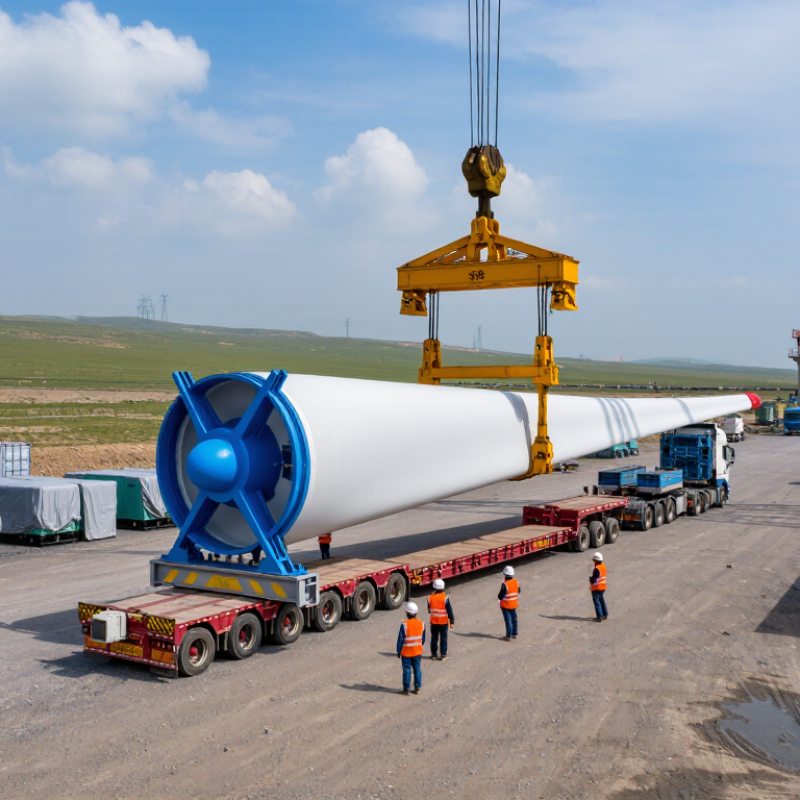
Moving a turbine, generator, or oversized transformer is not ordinary freight. It can involve route surveys, heavy-lift cranes, port handling, permits, and carefully timed delivery to a remote site. One missed clearance or an unsuitable bridge can disrupt an entire project. Power Generation Equipment Logistics therefore demands more than trucks and storage; it requires engineering coordination and clear communication from factory gate to installation site.

Logistics author Edward Frazelle describes the discipline this way: “Logistics is the process of anticipating customer needs and wants.” That idea is especially relevant when equipment is custom-built, time-sensitive, and difficult to replace. The best provider is not automatically the largest. Project teams should examine heavy-haul experience, multimodal capabilities, safety practices, regional coverage, and the ability to manage complex lift plans. Details matter. A company’s performance on a similar transformer shipment may be more useful than a broad service claim.

This article explores leading Power Generation Equipment Logistics companies and the capabilities that can distinguish them. It also considers how to compare providers against project needs, rather than relying on a single universal ranking. No list can capture every site condition. A remote hydroelectric project, for example, may need different expertise from a gas-fired plant near a major port. Buyers should verify current capabilities, references, and proposed transport plans directly. Even then, plans change; weather, access constraints, and equipment readiness can challenge the best preparation. That uncertainty deserves honest attention.
Top Power Generation Equipment Logistics Companies?

What Power Generation Equipment Logistics Companies Do

Power Generation Equipment Logistics Companies?

What Power Generation Equipment Logistics Companies Do

Power generation equipment logistics companies coordinate the movement of oversized, heavy, or delicate machinery from factories to construction sites. A transformer may arrive on a low-bed trailer, while turbine components travel by ship, rail, or specialized road transport. Teams plan lifting points, route clearances, temporary storage, and delivery windows around site conditions.

Small details matter.

Their work often starts before equipment is ready to ship. Logistics specialists review dimensions, weight, packaging, and access roads, then arrange cranes and handling crews. They also track components and coordinate handoffs between carriers, ports, warehouses, and project teams. A missed delivery slot can leave an installation crew waiting beside an empty foundation.

Delays happen.

The scale of new power projects makes this coordination increasingly important. IRENA’s Renewable Capacity Statistics 2024 reports that renewable capacity grew by 473 gigawatts in 2023, accounting for 86% of total capacity additions. The IEA’s Electricity 2024 report forecasts average global electricity-demand growth of 3.4% annually from 2024 through 2026.

More equipment must reach more sites, often with tight schedules.
Yet plans still miss things: weather, roadworks, and site readiness can change overnight.

Good logistics teams keep contingency options visible and communicate changes early.

Key Logistics Challenges for Power Generation Equipment

Power generation equipment rarely moves like ordinary freight. A transformer may be extremely heavy, while turbine sections can be long, delicate, and awkward to handle. Each piece needs a transport plan based on its dimensions, weight, lifting points, and center of gravity. A route survey can reveal low bridges, tight turns, weak roads, or overhead cables before loading begins. These details matter. Small surprises can cause costly delays.

Coordination is another challenge. Road carriers, port crews, vessel operators, crane teams, and site managers need compatible schedules and clear handover plans. Weather, limited crane capacity, and a site that is not ready can interrupt delivery. Even careful planning has gaps; measurements may change, and access conditions can be overlooked. Reliable logistics teams confirm equipment data, inspect lifting arrangements, and keep contingency time in the schedule. They also provide clear updates when plans shift.

Tips: Share certified dimensions and weights early. Photograph lifting points and packaging before dispatch. Confirm route restrictions, crane capacity, and site access in writing. Keep a practical buffer for weather and handling delays. Don’t assume the final mile is simple.

Leading Companies in Power Generation Equipment Logistics

Leading companies in power generation equipment logistics are judged less by fleet size than by their ability to coordinate engineered transport. IRENA’s Renewable Capacity Statistics 2024 reports 473 GW of renewable capacity added globally in 2023, representing 86% of total power capacity additions. Each project can mean moving oversized transformers, turbine sections, or generator assemblies through ports, roads, and constrained sites. Small clearances matter.

Strong providers combine route surveys, lifting plans, cargo engineering, and multimodal coordination. For a transformer, that may involve checking bridge limits, arranging a low-bed trailer, and confirming crane capacity before dispatch. The Global Wind Energy Council’s Global Wind Report 2024 records 117 GW of new wind installations in 2023, underscoring the scale of equipment flows. Delays can leave expensive cargo waiting at a port or project gate.

Operational quality also depends on transparent schedules, damage controls, and realistic contingency plans for weather or infrastructure constraints. A capable logistics team shares load diagrams and handling instructions early, then tracks each handoff. This sounds basic. It is often where plans fail. Buyers should examine comparable project experience and ask how exceptions are managed; a polished proposal alone cannot prove reliable execution.

Services and Technologies Used in Equipment Transport

Power generation equipment logistics begins with engineering, not loading. A gas turbine, transformer, or wind-turbine blade needs a transport plan matched to its weight, dimensions, and lifting points. The U.S. Department of Energy’s 2023 Land-Based Wind Market Report found that newly installed U.S. turbines averaged about 3.4 megawatts. That scale can require route surveys, bridge-load checks, and temporary removal of roadside obstacles. Small errors matter. Teams often combine heavy-haul trucks, rail, barges, and port cranes to limit transfers and handling risks.

Specialist services include load studies, permits coordination, engineered lifting plans, escort planning, and delivery scheduling around site construction. Hydraulic modular trailers and self-propelled modular transporters help distribute concentrated loads. At ports, roll-on/roll-off vessels or heavy-lift cranes may handle components, depending on their size and the available quay. GPS tracking and digital shipment records can improve visibility, but they cannot replace clear handovers between carriers. A route plan can still miss a low cable or a narrow site entrance; that deserves a second field check.

Tips: Ask for a route survey, axle-load calculations, and a written lifting plan before dispatch. Confirm the receiving pad is ready, and assign one person to verify dimensions at each transfer. Keep contingency time. It is rarely wasted.

Top Power Generation Equipment Logistics Companies? - Services and Technologies Used in Equipment Transport
Service Area Typical Equipment or Cargo Transport and Handling Methods Technologies and Tools Key Planning Considerations
Heavy and oversized cargo transport Turbine-generator sets, transformers, stators, and large pressure vessels Multi-axle hydraulic trailers, modular transporters, heavy-lift vessels, and coordinated road, rail, or sea movements Load-planning software, axle-load calculations, 3D route surveys, and transport monitoring Dimensions and weight, bridge capacity, road geometry, ground bearing strength, permits, and delivery sequence
Transformer logistics Power transformers, transformer accessories, radiators, and bushings Specialized low-bed or modular trailers; rail or vessel transport where suitable; crane or hydraulic gantry loading Shock and tilt monitoring, GPS tracking, lifting plans, and condition-inspection records Fragile components, center of gravity, vibration limits, weather protection, and site access
Wind power project logistics Tower sections, nacelles, hubs, and long turbine blades Extendable trailers, blade-specific trailers, port handling, and staged delivery to wind-farm sites Route simulation, vehicle tracking, digital shipment documents, and cargo-condition sensors Blade length, turning radius, overhead clearance, road upgrades, traffic coordination, and delivery windows
Boiler and steam-cycle equipment transport Boiler drums, heat exchangers, condensers, and large fabricated modules Project cargo vessels, barges, rail where available, and heavy-haul road transport Lift-engineering tools, load-distribution plans, route reconnaissance, and shipment tracking Module dimensions, lifting points, port or waterway access, temporary works, and construction schedule
Renewable and energy-storage equipment logistics Solar modules, inverters, battery enclosures, and balance-of-plant equipment Containerized or palletized road, rail, and sea freight with managed delivery to project sites Inventory-management systems, barcode or RFID scanning, shipment visibility, and warehouse tracking Packaging integrity, inventory sequencing, site storage, weather exposure, and applicable dangerous-goods rules
Port, lifting, and transloading services Heavy components transferred between vessels, railcars, barges, and road vehicles Mobile or floating cranes, strand jacks, hydraulic gantries, roll-on/roll-off operations, and controlled transloading Lift-planning software, crane-load charts, engineered rigging plans, and real-time weather monitoring Crane capacity, quay strength, tide and wind conditions, cargo stability, and handoff coordination
Route engineering and permitting Oversized or overweight power-generation components and project modules Road, rail, and waterway route assessment followed by permitted, escorted movement when required GIS mapping, bridge and clearance databases, route-survey tools, and permit-management workflows Jurisdictional rules, bridge limits, overhead utilities, road closures, escorts, and local approvals
Project coordination and cargo visibility Multi-shipment equipment packages for power plants, substations, and renewable-energy projects Integrated multimodal planning, shipment consolidation, warehousing, and scheduled delivery to installation areas Transport-management systems, GPS tracking, electronic documentation, and milestone reporting Interfaces between suppliers, carriers, ports, contractors, and the construction schedule
Service methods and technologies vary by cargo, route, site conditions, and applicable regulations. The entries describe common industry practices and do not rank or identify individual providers.

How to Evaluate a Power Generation Logistics Provider

A power-generation logistics provider should be judged on more than quoted freight rates. The International Energy Agency’s Renewables 2024 report records nearly 510 GW of renewable capacity added worldwide in 2023, almost 50% more than in 2022. That rapid build-out puts pressure on routes, lifting plans, and delivery schedules. Ask for project records involving oversized transformers, turbine components, or equipment moved through constrained sites. Request evidence of route surveys, crane coordination, load-securing procedures, and contingency plans. Specifics matter. A generic promise of “on-time delivery” does not show how a provider handles a bridge restriction or a missed vessel connection.

Assess the people and systems behind the plan, too. Can the team explain permits, handling limits, and weather-related risks in plain language? Does it provide shipment milestones and prompt notice when dates change? The IEA’s Electricity 2024 report projects global electricity demand growth averaging 3.4% annually through 2026, making dependable equipment delivery increasingly important. Compare providers using measurable results, such as schedule adherence, damage rates, and response time during disruptions. Ask for references from projects with similar cargo and site conditions. One weakness remains: forecasts can age quickly. A careful provider updates assumptions instead of treating an old schedule as certainty.

FAQS

What matters most when choosing a power equipment logistics provider?

Look for experience coordinating route surveys, lifting plans, and multiple transport modes. A polished proposal alone proves little.

How are oversized transformers prepared for transport?

Teams check dimensions, weight, lifting points, and bridge limits. They may select a low-bed trailer and confirm crane capacity before dispatch. Small clearances matter.

Which transport methods can move power generation equipment?

Heavy-haul trucks, rail, barges, and port cranes may all be used. The right mix depends on cargo size and available routes.

What should a route survey check?

It should examine bridge loads, narrow entrances, overhead cables, and roadside obstacles. A field check can catch details missed on a map.

How can teams reduce damage during equipment transfers?

Use written handling instructions, load diagrams, and clear handovers between carriers. Assign someone to verify dimensions at each transfer.

What should buyers ask about delivery schedules?

Ask how shipment milestones are tracked and how delays are reported. Weather and missed vessel connections need realistic contingency time.

Which technologies help monitor shipments?

GPS tracking and digital shipment records can show cargo progress. They help, but they cannot replace clear communication between teams.

How can a buyer compare logistics providers?

Review similar project records, schedule performance, damage rates, and disruption response times. Ask for references from projects with comparable cargo and site conditions. Forecasts can age quickly; I would still question old assumptions.

Conclusion

Power Generation Equipment Logistics is the specialized planning and movement of heavy, oversized, and delicate components used to build, maintain, and upgrade power facilities. These shipments can involve turbines, generators, transformers, and other large equipment, each with distinct handling and delivery requirements. Common challenges include complex dimensions and weight, route restrictions, limited site access, tight project schedules, and the need to protect sensitive components throughout transit.

Leading providers typically combine engineering expertise with coordinated transport planning, lifting and handling services, secure storage, and shipment tracking. They may use route surveys, suitable vessels or vehicles, specialized trailers, and digital tools to monitor progress and manage potential delays. When evaluating a provider, project teams should consider relevant experience, safety practices, equipment and network capabilities, communication, schedule reliability, and the ability to tailor solutions to site conditions. A well-matched logistics partner can help keep projects organized and equipment deliveries on track.


Seraphina

Seraphina

Seraphina is a dedicated marketing professional with a deep understanding of the company’s products, customers, and evolving industry needs. Through her work, she transforms complex product features into clear, practical, and engaging insights that help readers make informed decisions. She......