
Expert perspectives on Saudi Arabia customs, ocean & air freight, and global supply chain strategies.
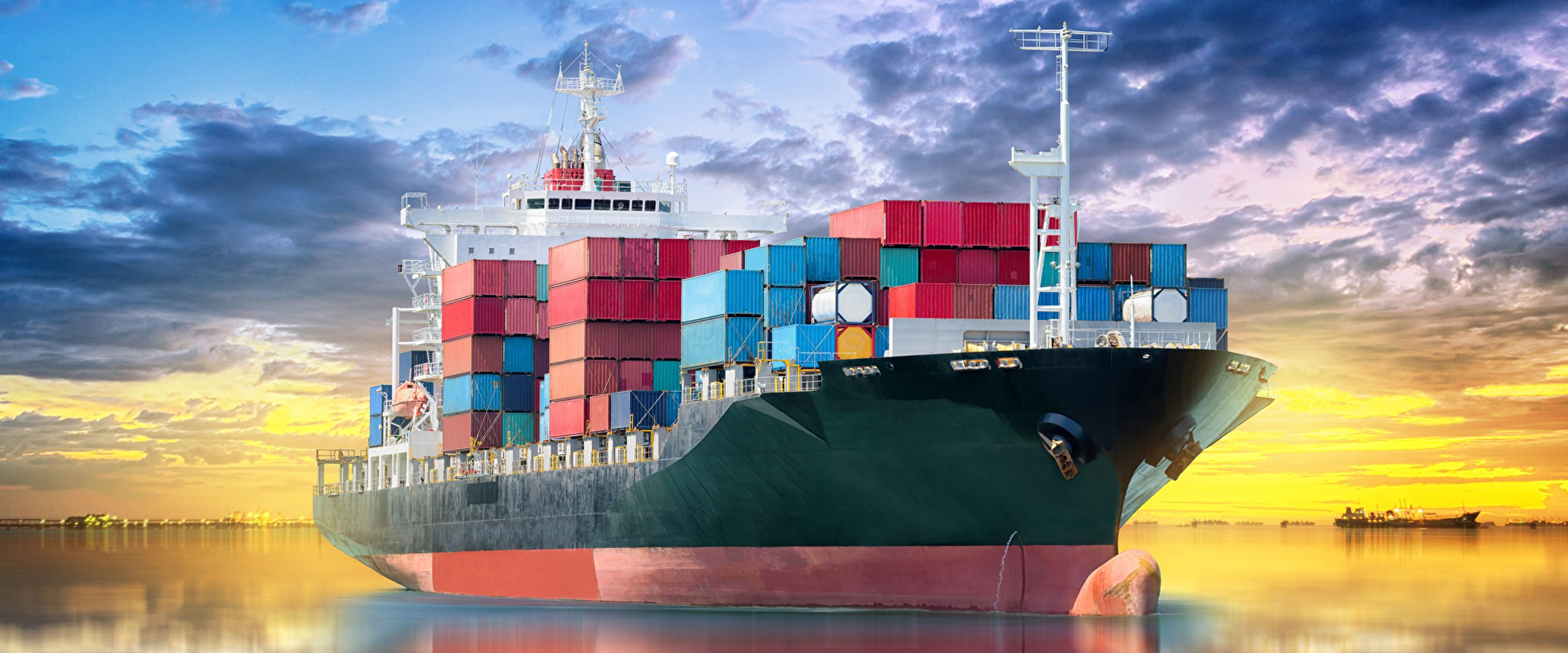
Latest market trends, port developments, and international container freight analysis.
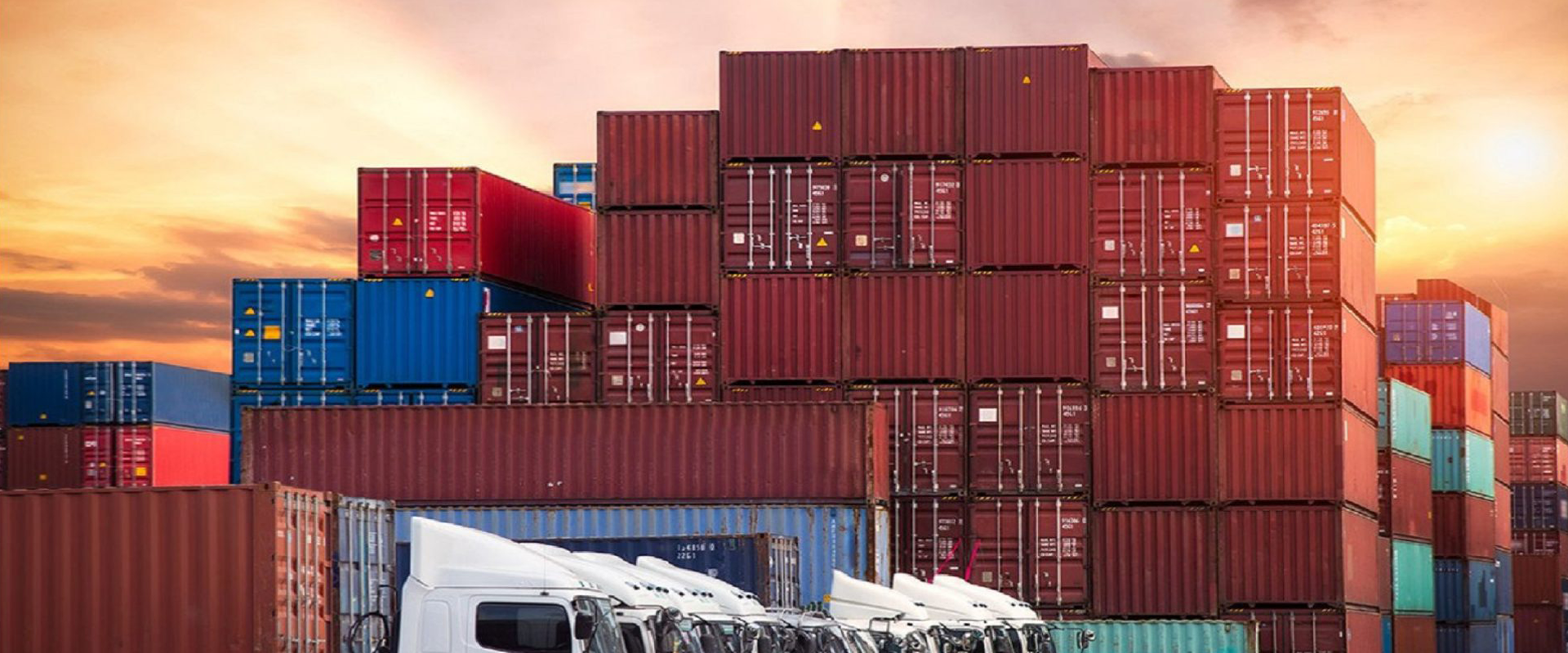
Technical case studies and operational insights for complex industrial project transport.
Engineered to rigorous marine classification standards (CCS, BV, CE, ISO), our heavy-duty marine deck cranes, pedestal grab lifts, and mobile shipyard travel lifts power international fleet operations, offshore engineering projects, and heavy port load-outs across global trade lanes.
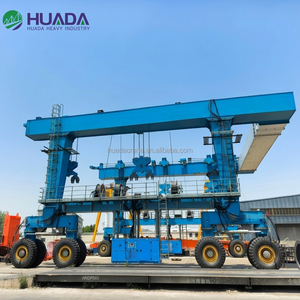
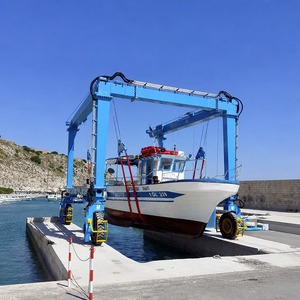
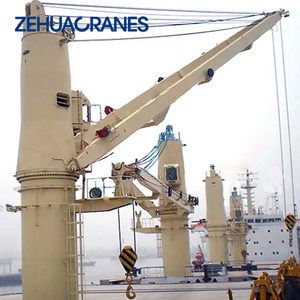
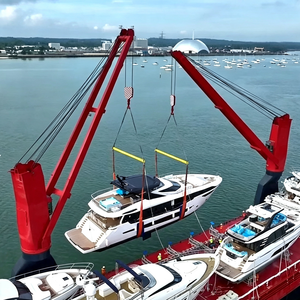
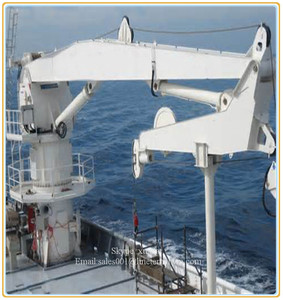
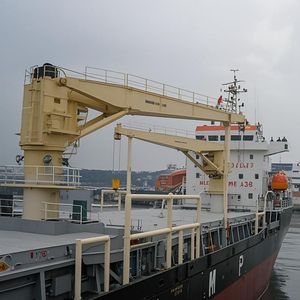
The global maritime logistics sector is undergoing a structural transformation. Driven by the expansion of offshore wind farms, modular refinery construction in the Middle East, and mega-infrastructure projects across Southeast Asia and Latin America, the demand for specialized heavy lift vessel (HLV) chartering and heavy-duty deck crane equipment has reached an unprecedented high. Procurement directors, EPC contractors, and marine superintendents face a double challenge: securing reliable heavy lift tonnage while optimizing total charter costs and equipment operational lifespan.
China has solidified its position as the world's preeminent manufacturing hub for heavy lift marine machinery and specialized project cargo vessels. Chinese manufacturers and shipbuilders deliver state-of-the-art hydraulic straight boom cranes, pedestal grab systems, and mobile boat travel lifts that match or exceed European technical specifications while offering superior lead times and capital efficiency. However, identifying top-tier manufacturing partners requires deep technical due diligence, particularly regarding marine classification standards, hydraulic power unit (HPU) reliability, and international chartering contract compliance (such as BIMCO Heavylift forms).
This comprehensive industry whitepaper provides an exhaustive technical evaluation of Chinese heavy lift vessel chartering protocols, OEM manufacturing standards, deck crane engineering innovations, and long-term procurement frameworks designed to maximize operational safety and ROI for international fleet managers.
Combining direct OEM manufacturing in China with an extensive Middle Eastern and international logistics footprint, our organization delivers fully integrated door-to-deck lifting solutions. From custom crane fabrication to full vessel charter party execution, we uphold the highest international industrial standards.
Direct access to Chinese manufacturing facilities capable of producing heavy-duty travel lifts up to 1200T and deck cranes certified under CCS, Bureau Veritas (BV), CE, and DNV-GL marine class rules.
Robust chartering network connecting Chinese manufacturing ports directly with industrial centers in the Middle East (Jubail, Dammam, Yanbu), Europe, and the Americas, fully supported by WCA & FIATA networks.
Proven track record supplying high-capacity lifting equipment and project logistics for world-class industrial operators including Saudi Aramco, SABIC, NEOM, Hyundai Heavy Industries, SAIPEM, and KBR.
Trusted Partners & Project Collaborators





The global heavy lift chartering market is pivoting rapidly toward higher tonnage capacities, digitized load monitoring, and decarbonized marine powerplants. Buyers and charterers who align their procurement strategies with these market forces gain substantial cost and risk-mitigation advantages.
International Maritime Organization (IMO) Tier III emission regulations and CII (Carbon Intensity Indicator) scores are compelling charterers to prioritize green-flagged heavy lift vessels. Chinese shipyards lead the construction of LNG-dual fuel and methanol-ready heavy lift vessels equipped with high-efficiency deck cranes that reduce port stay carbon footprints by up to 35%.
EPC contractors are increasingly shifting from piece-by-piece site assembly to pre-fabricated mega-modules weighing between 600 and 1,500 metric tons. Consequently, chartering preferences are consolidating around vessels equipped with tandem lifting capabilities (e.g., dual 600T or dual 800T deck cranes creating combined 1,200T to 1,600T lift capacities).
Modern marine cranes and travel lifts are now embedded with smart sensor arrays. Real-time stress distribution, hydraulic temperature monitoring, anti-sway algorithms, and automated load moment indicators (LMI) allow vessel superintendents to execute high-risk offshore lifts with zero margin for structural failure.
Chinese marine machinery manufacturers have made significant technological leaps in hydraulic efficiency, structural alloy metallurgy, and electronic control systems. Understanding these technical developments enables chartering engineers to select the exact machinery configuration needed for specialized marine tasks.
Advanced electro-hydraulic AHC systems isolate load movement from vessel sea-motion during offshore subsea deployments, guaranteeing millimeter-precision placement even in Sea State 4 and 5 condition profiles.
Utilization of ultra-high-yield structural steel (Q690D/Q960E) minimizes crane deadweight while maximizing boom reach radius, allowing heavier deck payloads without compromising vessel stability margins.
Integrated variable-displacement axial piston pump HPUs deliver smooth, stepless speed control, reducing thermal energy loss and extending marine hydraulic fluid change intervals by over 40%.
Engineered specifically for harsh C5-M marine offshore environments, combining thermal sprayed zinc primers with poly-siloxane topcoats for 15+ years of zero-rust operational durability.
Below are detailed technical responses addressing the most crucial commercial and operational questions submitted by procurement managers and chartering specialists when sourcing heavy lift machinery from China.
Voyage Chartering involves renting the vessel and crew for a specific port-to-port heavy lift cargo delivery, where the shipowner manages bunker fuel and port charges. Time Chartering hires the vessel for a defined calendar period, giving the charterer operational control over routes while the owner maintains crew and technical maintenance. Bareboat Chartering transfers complete operational, crew, and insurance responsibilities to the charterer. For specialized project cargo, Voyage or Time Charters based on BIMCO Heavylift 98 forms are most commonly utilized.
Top Chinese manufacturers produce cranes in full compliance with major International Association of Classification Societies (IACS) members. The most critical certifications include CCS (China Classification Society), BV (Bureau Veritas), DNV (Det Norske Veritas), and ABS (American Bureau of Shipping). Ensure the manufacturer provides Type Approval Certificates, Factory Acceptance Tests (FAT), and Load Test Certificates (overload tested to 1.25x SWL) prior to shipment.
Straight Boom Cranes (50T–70T+) provide maximum structural rigidity, long outreach, and heavy single-point lift capacity, making them ideal for container handling, heavy machinery deployment, and general deck cargo operations. Pedestal Grab Cranes feature continuous high-torque slewing, specialized hydraulic clamshell grabs, and heavy-duty duty-cycle hydraulic pumps, engineered specifically for high-speed bulk cargo (gravel, ore, grain, dredging residue) handling at harbors and off-shore transshipment points.
Key evaluation criteria include: 1) Safe Working Load (SWL) requirement (ranging from 5T light charter craft up to 800T–1200T mega-yachts and commercial tugs); 2) Internal Clear Width & Height matching maximum beam dimensions; 3) Sling Point Control (independent hydraulic winches to adjust hull lifting points without causing structural hull stress); and 4) Steering Modes (90° crab steering, carousel pivot steering, and front-wheel steering for tight shipyard maneuvering).
Standard hydraulic marine deck cranes (10T to 35T) generally require 45 to 60 days for production and class certification. Heavy-capacity custom units (50T to 800T+ or AHC pedestal grab systems) typically require 90 to 150 days, incorporating structural steel fabrication, hydraulic HPU assembly, marine grade painting, non-destructive testing (NDT), and official IACS witness load testing.
We manage the complete door-to-deck intermodal logistics chain: factory-to-port heavy haulage using SPMTs (Self-Propelled Modular Transporters), port load-out supervision by certified marine warranty surveyors, chartering suitable Heavy Lift Vessels with sufficient deck strength and crane capacity, customs clearance brokerage, and final discharge at target industrial ports such as Jubail, KSA or Middle Eastern mega-project docks.
When issuing Requests for Quotation (RFQs) for heavy lift equipment, technical clarity regarding operational parameters ensures exact compliance and prevents costly field retrofits. Below is a structured technical reference matrix for specifying deck cranes and travel lifts.
| Equipment Category | Lifting Range (SWL) | Main Applications | Key Technical Features | Class Certifications |
|---|---|---|---|---|
| Mobile Boat Travel Lift | 5 Tons to 1,200 Tons | Shipyard haul-outs, vessel maintenance, charter fleet handling | Multi-point equalization slings, hydraulic 4-wheel/8-wheel steering, wireless remote | CE, ISO9001, CCS |
| Straight Boom Deck Crane | 10 Tons to 70+ Tons | Container ships, cargo vessel loading, repair shipboards | High-pressure hydraulic winches, 360° slewing ring, emergency hand-pump lowering | CCS, BV, ABS, DNV |
| Pedestal Cargo Grab Crane | 15 Tons to 50 Tons | Offshore bulk handling, harbor dredging transshipment | Heavy-duty hydraulic clamshell, high-efficiency oil cooler HPU, explosion-proof electrics | CE, CCS, BV |
| Multi-Function Marine Crane | 5 Tons to 35 Tons | Fishing fleet handling, offshore supply vessels (OSVs) | Telescopic/knuckle boom options, marine stainless fittings, compact base footprint | ISO, CE, CCS |
Connect directly with our senior marine equipment engineers and chartering specialists to evaluate fleet specifications, custom crane manufacturing timelines, or complex project cargo transport routes.