Specialized Steel & Heavy Project Cargo Services
Explore our flagship freight services engineering the movement of structural steel, over-dimensional breakbulk, heavy machinery, and end-to-end multi-modal logistics from China to global destinations.
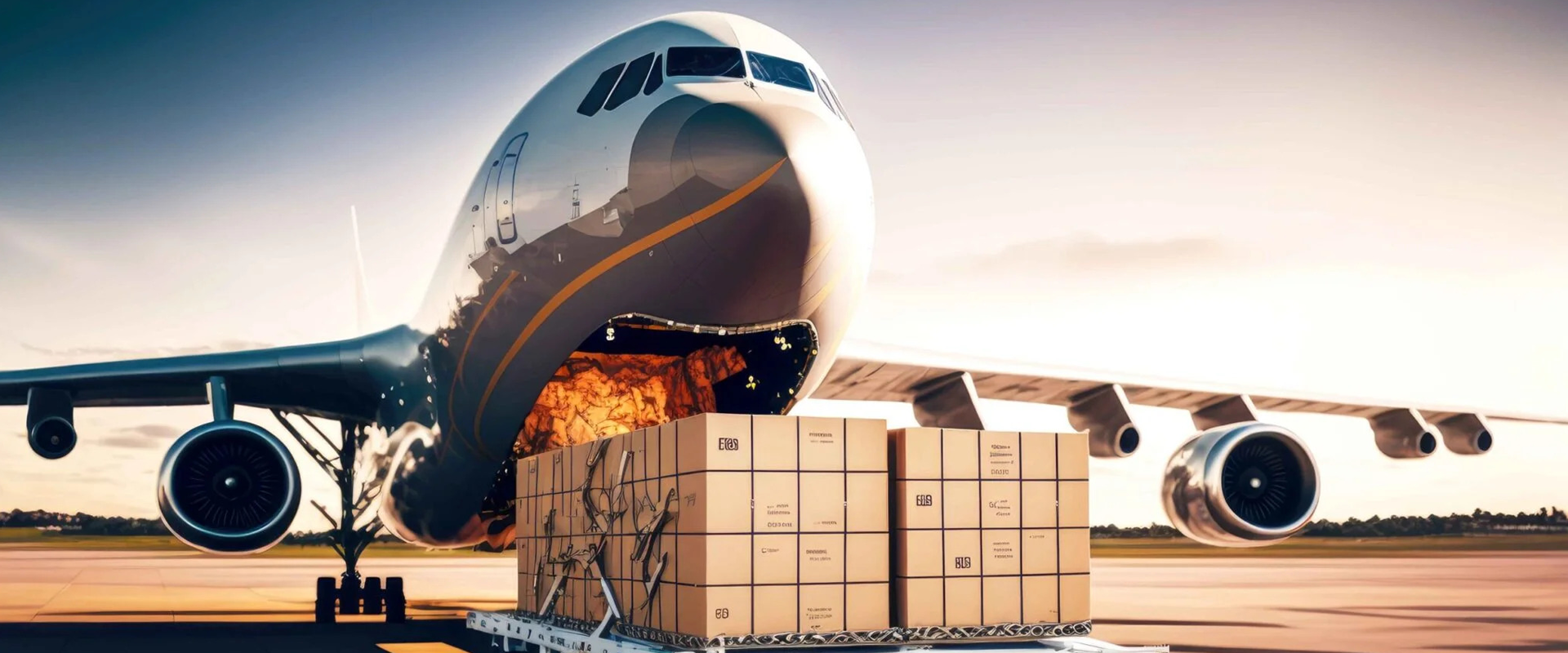
Oversized Cargo & Air Charter
Heavy Cargo Oversized Air Charter Service China Door to Door DDP Project Solution
Get a Quote
Global DDP Freight
Top Freight Forwarder China to USA/UK/Spain DDP Logistics & Purchasing Agent
Get a Quote
Full Charter Air Cargo
Full Charter Air Cargo to Europe/France Direct Flight Door-to-Door DDP Project Forwarding
Get a Quote
Multimodal Air & Sea LCL
Air & Sea DDP LCL International Logistics Services China to USA, UK, Canada
Get a Quote
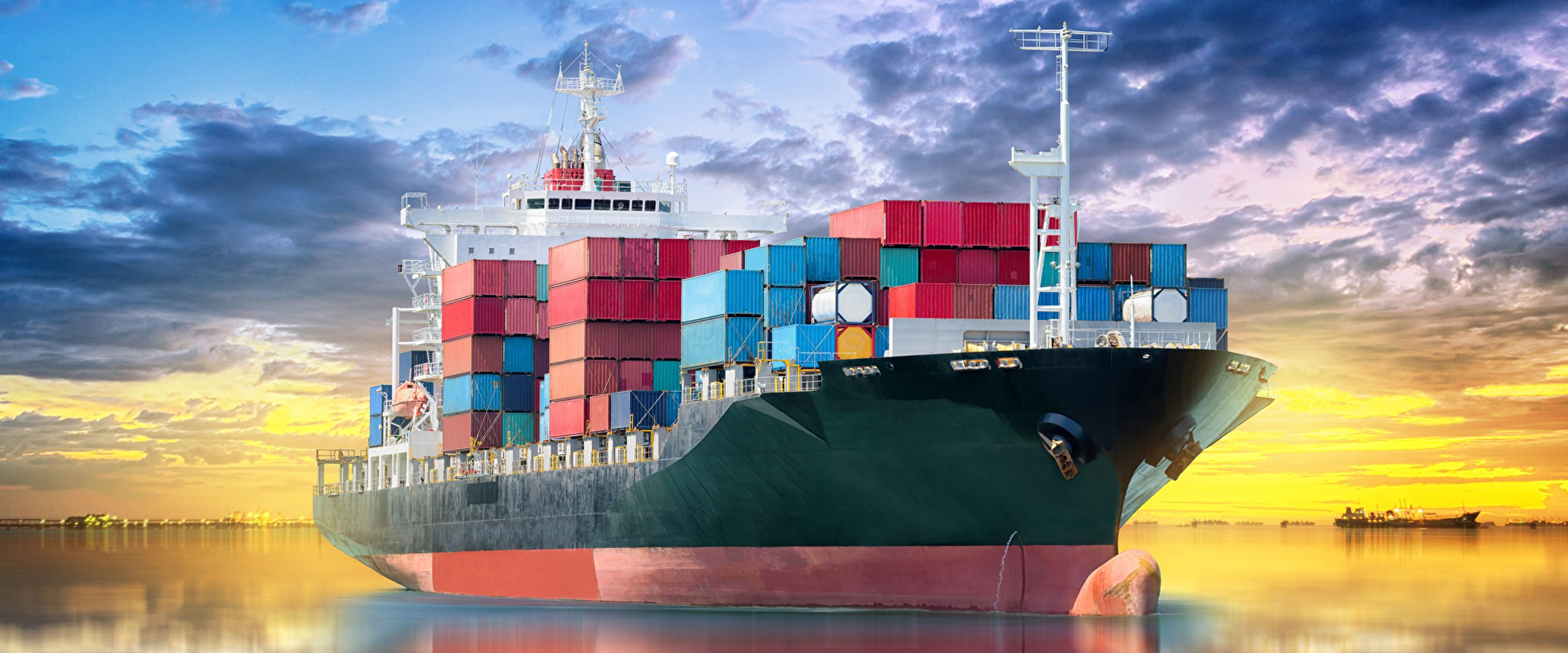
Heavy FCL Marine Shipping
China FCL Container Shipping 20GP/40HQ/40GP Direct Routes for Industrial Cargo
Get a Quote
Global Ocean Freight
Global Ocean Freight Shipping Agent China to GCC, Middle East, USA & Europe
Get a Quote
Breakbulk & Bulk Cargo
Bulk Cargo Breakbulk Transportation & Express Project Logistics Solutions
Get a Quote
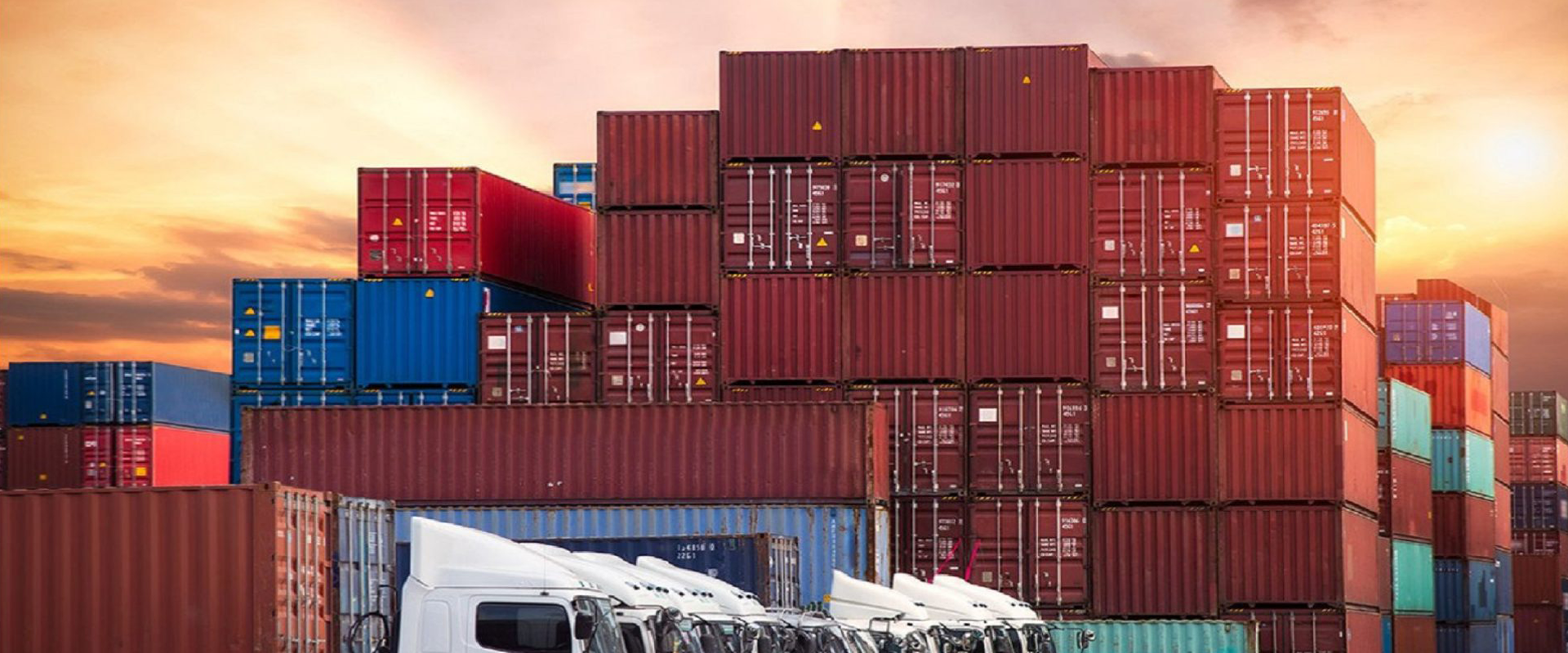
FCL/LCL DDP Logistics
Fast Sea & Air DDP Freight Forwarding Logistics China to North America & EU
Get a Quote
12.5M+
Metric Tons Steel Shipped
100%
IMO CSS Code Compliance
150+
Direct Port Destinations
0.02%
Ultra-Low Cargo Incident Rate
1. Strategic Engineering Framework: China’s Role in Global Steel Marine Export
As the undisputed epicenter of global steel manufacturing, China accounts for over 50% of the world’s crude steel production. For international EPC contractors, structural engineering firms, and industrial buyers, securing a highly competent China Steel Cargo Marine Transport Supplier & Exporter is not merely a logistics decision—it is a critical determinant of project viability, margin protection, and structural integrity.
Transporting heavy steel commodities—ranging from Hot-Rolled Coils (HRC), Cold-Rolled Coils (CRC), and Rebar bundles to massive structural H-beams, seamless steel pipes, and over-dimensional prefabricated steel modules—presents severe mechanical, thermodynamic, and maritime hazards. Steel is heavy, high-density cargo prone to shifting, corrosion, sweating, and structural deformation if hold environments and lashing calculations are mismanaged.
Breakbulk vs. Containerized Shipping
Selecting between Breakbulk (Vessel Chartering/Breakbulk liners) and Containerized shipping (FCL/Flat Rack/Open Top) requires careful analysis of tonnage, stowage factor, and port discharge infrastructure. Heavy coils above 25 MT often require specialized heavy-duty container floors or direct vessel hold stowage on wooden dunnage.
Corrosion Control & Dew Point Management
Oceanic transit through tropical climate shifts causes hold sweating (condensation). Qualified exporters deploy Vapor Corrosion Inhibitor (VCI) wrapping, moisture-absorbing desiccants, and active hold ventilation to maintain relative humidity below the critical 60% rust threshold.
2. Technical Stowage, Lashing & Maritime Risk Mitigation Protocols
In accordance with the IMO Code of Safe Practice for Cargo Stowage and Securing (CSS Code) and international P&I Club recommendations, steel cargo marine transport demands precise engineering calculations for acceleration forces, friction coefficients, and point-loading limits of cargo holds.
Steel Coil Stowage (Coil Lashing & Locking Keys)
Steel coils must always be stowed with their core horizontal and aligned fore-and-aft. Coils are arranged over softwood dunnage (specifically treated under ISPM 15 standards) to maximize friction and distribute weight evenly across the vessel's tanktop. The center coil of the top tier acts as the "key coil." It is positioned down between two coils on the lower tier and secured using pneumatic tensioners and heavy-duty steel strapping or high-tensile lashing chains to lock the entire stowage matrix in place.
Structural Beams, Pipes & Heavy Plates
Structural steel sections (H-Beams, I-Beams, Channels) are bundled and nested to minimize lost space (stowage factor). Interlayer wooden dunnage prevents metal-to-metal friction, preventing structural gouging and slippage. Long pipes and structural columns are stowed fore-and-aft with friction rubber pads and secured using web lashings, turnbuckles, and dunnage shores against transverse bulkheads.
Pre-Shipment Inspection (PSI)
Rigorous physical inspection by certified marine surveyors (SGS/Bureau Veritas) at Chinese load ports (Tianjin, Shanghai, Bayuquan, Qingdao) verifying rust grades (Silverstein Scale), bundle integrity, and weight tickets.
Hold Dryness & Sealing
Hatch covers undergo ultrasonic leak testing prior to loading. Holds are thoroughly washed with fresh water to remove salt residues, dried completely, and monitored for dew-point variances.
Draft Survey & B/L Clause
Conducting mandatory initial and final draft surveys to establish exact loaded weight, issuing clean Bills of Lading with accurate Mate’s Receipts reflecting pre-existing conditions to prevent claims.
3. Future Procurement & Supply Chain Trends (2025–2030)
The global steel logistics landscape is undergoing a structural paradigm shift. International procurement leaders must adapt to evolving maritime regulations, geopolitical realignment, decarbonization mandates, and digital supply chain integration.
- Decarbonization & Green Shipping Corridors (IMO 2030 / EU ETS): Maritime carriers are accelerating compliance with EEXI (Energy Efficiency Existing Ship Index) and CII (Carbon Intensity Indicator). B2B buyers are increasingly favoring steel charterers utilizing dual-fuel (LNG/Methanol) bulk vessels to reduce Scope 3 transport emissions.
- Digital Twin Cargo Monitoring: Advanced breakbulk chartering now incorporates IoT sensors inside vessel holds. Real-time telemetry tracks relative humidity, hold temperature, angular pitch/roll forces, and shock impacts on steel coils, broadcasting telemetry directly to EPC project managers.
- Rise of Turnkey DDP & Project Logistics Integration: Procurement models are moving away from traditional FOB terms. Global steel buyers prefer end-to-end DDP (Delivered Duty Paid) frameworks where Chinese shipping specialists handle export customs clearance, ocean chartering, Saudi Arabia / Middle East / EU / US import clearance, heavy-haul inland transport, and final job-site delivery.
- Strategic Regionalization & Buffer Hub Warehousing: To hedge against Red Sea transit disruptions and port congestions, steel suppliers are utilizing bonded industrial staging yards in regional hubs like Jubail (KSA), Jebel Ali (UAE), and Rotterdam (NL), providing just-in-time delivery for major infrastructure projects.
4. Enterprise Infrastructure & Strategic Competitive Advantages
Leveraging an extensive logistics ecosystem spanning major Chinese manufacturing ports and Middle Eastern industrial hubs (including Jubail, Dammam, and NEOM), our enterprise provides unprecedented end-to-end control over the steel supply chain.
End-to-End Control
Direct agreements with major breakbulk shipowners, heavy-lift crane operators, and customs brokerages ensure zero reliance on third-party intermediaries.
Tier-1 Industry Trust
Proven track record serving industrial giants including Saudi Aramco, SABIC, NEOM, TASNEE, Petro Rabigh, Hyundai Heavy Industries, and Samsung Engineering.
Compliance & Accreditation
Full adherence to ISO 9001, ISO 14001, ISO 45001 standards, alongside active WCA Network and FIATA memberships ensuring global execution reliability.
5. Steel Marine Transport Procurement & Logistics FAQ
Detailed answers to complex technical and commercial questions encountered by steel importers, project freight managers, and supply chain directors.
What is the standard dunnage specification required for securing heavy steel coils in breakbulk shipping?
Standard dunnage consists of dry, untreated or ISPM-15 certified softwood planks (typically 50mm x 150mm or 100mm x 100mm) laid transversely across the ship's tanktop. Softwood is preferred over hardwood because it compresses slightly under immense coil weight, increasing the friction coefficient and preventing sliding under sea-motion accelerations.
How do you prevent 'white rust' and atmospheric corrosion during 30-45 day ocean voyages?
We employ a multi-layered defense strategy: 1) Verifying mill-applied oiling or passivation coatings; 2) Enclosing coils in waterproof VCI (Vapor Corrosion Inhibitor) plastic film; 3) Placing heavy-duty desiccant bags inside coil cores; 4) Managing vessel hold ventilation according to the "Three Degrees Rule" to ensure dew point inside the hold remains below the ambient cargo temperature.
What is the difference between GENCON charter party terms and liner terms for steel export?
GENCON is a standardized voyage charter party contract widely used in tramp shipping. Under GENCON, loading, stowing, trimming, and discharging costs (FLT / FIOST terms) are explicitly negotiated between charterer and shipowner. Liner terms, by contrast, include loading and discharging costs in the freight rate but offer less flexibility regarding laytime, demurrage rate negotiations, and customized stowage arrangements.
How are over-dimensional steel structures and heavy beams handled in DDP shipments to the Middle East?
Under DDP (Delivered Duty Paid), we manage the full continuum: vessel chartering from China port (e.g., Shanghai/Tianjin), specialized discharge at destination ports (such as Jubail Commercial Port or King Abdulaziz Port Dammam), Saudi customs clearance, SABER/SASO certification verification, and inland transit using hydraulic multi-axle modular trailers (SPMTs) equipped with escort vehicles and route clearance permits.
What documentation is mandatory for custom clearance of steel shipments imported from China?
Mandatory documentation includes: 1) Clean On-Board Bill of Lading; 2) Detailed Commercial Invoice; 3) Itemized Packing List specifying heat numbers, piece counts, and net/gross weights; 4) Mill Test Certificates (MTC) conforming to EN 10204 3.1 or 3.2; 5) Certificate of Origin authenticated by CCPIT; 6) Conformity Certificates (such as SABER CoC for Saudi Arabia).
How do you manage laytime, demurrage, and detention risks at Chinese loading ports?
We eliminate demurrage risks through dedicated port agency teams stationed at major Chinese load ports. By pre-staging cargo in port warehouses prior to vessel arrival, pre-clearing export declarations, and utilizing high-capacity shore cranes capable of loading 3,000–5,000 MT per day, we consistently complete loading within agreed laytime windows.
Partner with China's Premier Steel Marine Logistics Authority
Whether you require full vessel chartering for 50,000 MT of structural steel, specialized air charter for urgent project parts, or seamless DDP breakbulk door-to-door delivery, our engineering team is ready to analyze your cargo specifications.
Get a Quote