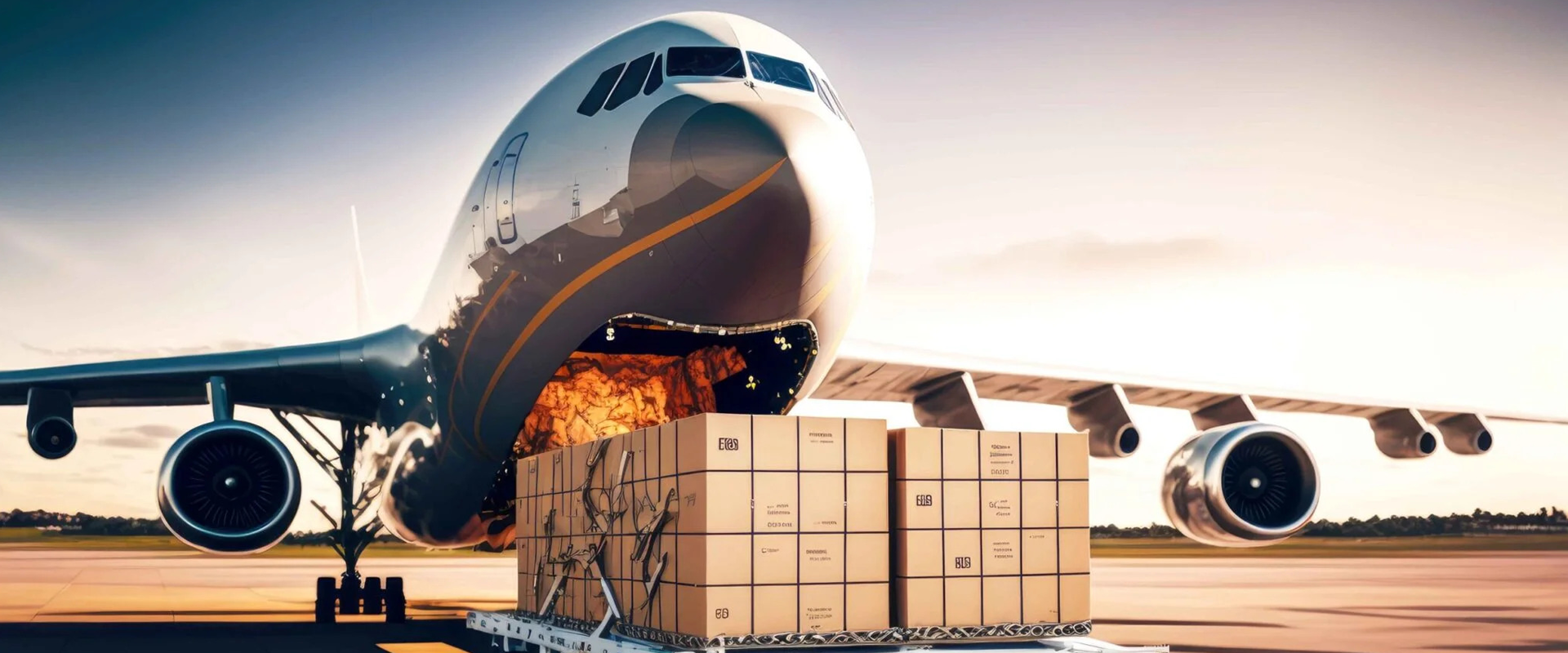
Expert perspectives on Saudi Arabia customs, ocean & air freight, and global supply chain strategies.
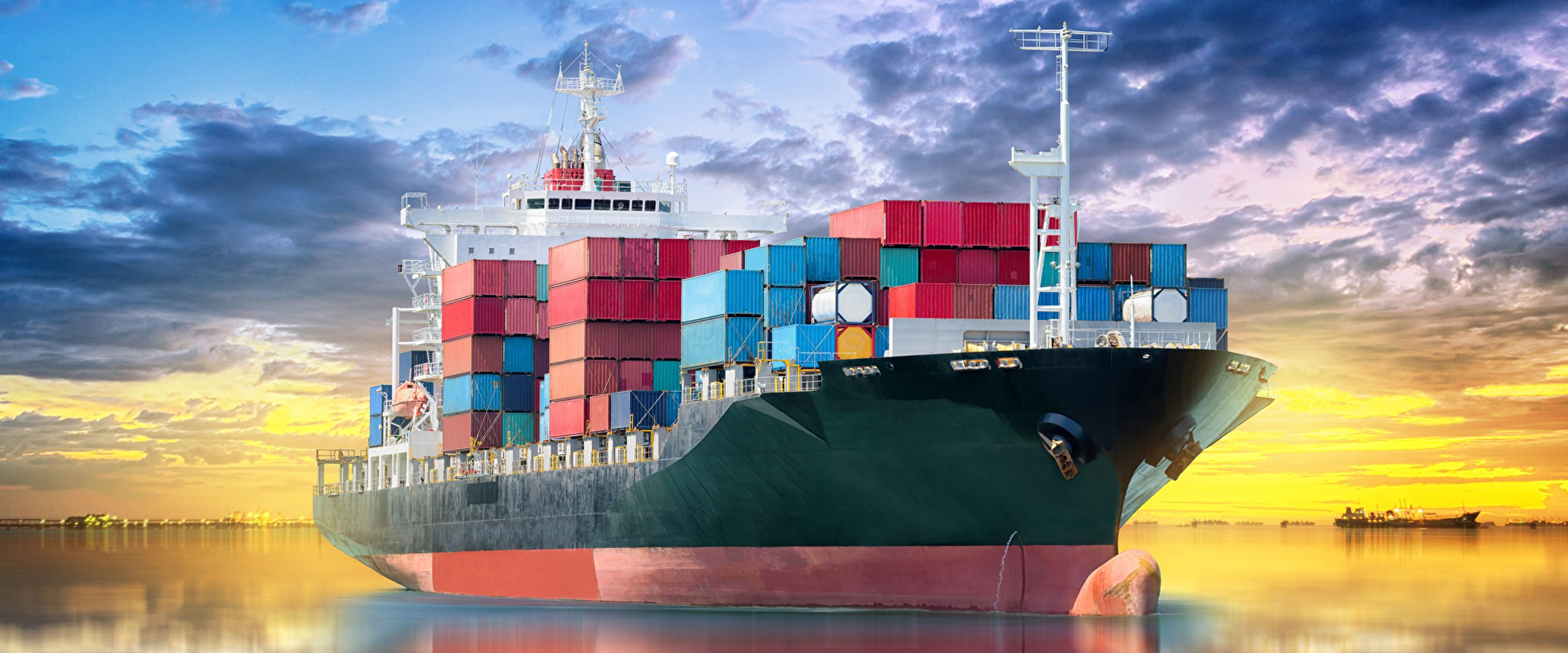
Latest market trends, port developments, and international container freight analysis.
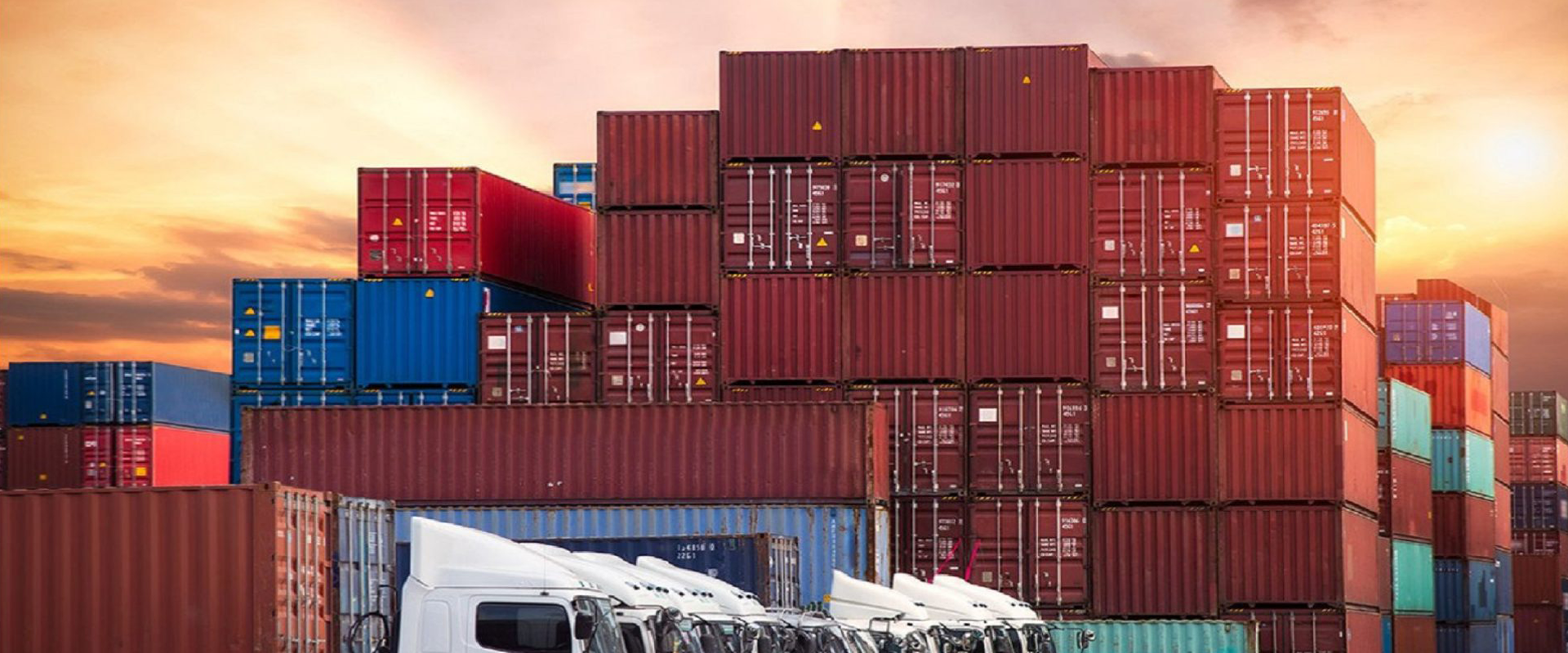
Technical case studies and operational insights for complex industrial project transport.
Verified multimodal logistics services engineered for chemical manufacturers, EPC contractors, and global distributors handling complex DG & oversized cargoes.
Transportation of dangerous goods (DG) and hazardous chemicals requires an uncompromising operational framework, zero-defect packaging, and rigorous international regulatory oversight. As China remains the central powerhouse of global chemical manufacturing—exporting millions of metric tons of basic petrochemicals, fine chemicals, agrochemicals, lithium batteries, and specialty reagents annually—the demand for verified, high-compliance hazardous chemical transport logistics suppliers has surged exponentially.
Executing chemical logistics from key Chinese maritime hubs such as Shanghai, Ningbo-舟山, Qingdao, Tianjin, and Shenzhen to global destinations in the GCC (Saudi Arabia, UAE, Oman), North America, Europe, and Africa requires strict adherence to international standard codes, including the International Maritime Dangerous Goods (IMDG) Code, the ICAO Technical Instructions / IATA Dangerous Goods Regulations, and regional domestic mandates like China’s Regulations on the Control over Safety of Hazardous Chemicals (Order No. 591).
Hazardous chemicals are grouped into nine distinct UN classes, each carrying stringent requirements regarding tank specs, vessel segregation, thermal monitoring, and emergency response intervention (ERICards):
Requires pressure-tested ISO Tank Containers (T11/T14/T50 specifications) or UN-rated steel drums. Strict controls on flashpoints, vapour pressure, and spark-proof transport vehicles.
Demands total segregation from combustible organic materials. Temperature-controlled reefer containers are mandatory for thermally unstable organic peroxides (SADT management).
Specialized acid-resistant fluoropolymer linings for tanks. For Class 9 lithium batteries, state-of-charge (SoC) enforcement and UN 38.3 test report verification are mandatory for air and ocean freight.
The global chemical industry is undergoing a structural transformation driven by ESG mandates, supply chain digitalization, and heightened geopolitical risk management. Procurement directors and supply chain managers must align with several macro trends reshaping hazardous chemical logistics:
Static tracking of high-risk chemical shipments is no longer sufficient. Modern chemical logistics providers are deploying IoT-connected ISO tank containers equipped with dual GPS, real-time pressure transducers, temperature sensors, and shock indicators. These devices transmit critical data via satellite networks to centralized control towers, allowing immediate intervention if pressure rises or thermal excursion occurs during transit.
Chemical giants (such as SABIC, BASF, Sinochem, and Dow) are actively evaluating Scope 3 supply chain carbon emissions. Future procurement contracts heavily prioritize logistics providers operating LNG-fueled heavy DG trucks, eco-efficient vessel fleets, and optimized intermodal rail corridors. Implementing reusable ISO tanks over single-use flexitanks or non-recyclable drums is rapidly becoming a key supplier qualification criterion.
Manual review of 16-section Material Safety Data Sheets (MSDS / SDS) is being superseded by AI-driven document intelligence systems. Leading logistics suppliers utilize automated validation engines that cross-reference chemical CAS numbers against destination port customs databases, international dangerous goods lists, and carrier segregation rules within seconds, eliminating human error in Dangerous Goods Declarations (DGD).
| Procurement Vector | Legacy Logistics Model | Future Trend (2025-2030 Standard) | Strategic Business Impact |
|---|---|---|---|
| Cargo Visibility | Milestone-based EDI status updates | Real-time IoT telemetry (Temp, Pressure, Shock, Location) | Prevent cargo degradation; instant risk response |
| Compliance Verification | Manual paper MSDS & DGD inspection | AI-automated CAS & IMDG matrix cross-matching | Eliminate port rejections and customs holds |
| Packaging Standard | Standard steel drums / Flexitanks | Smart ISO Tanks & UN-certified Composite IBCs | Lower carbon footprint & higher containment safety |
| Contract Terms | Basic Port-to-Port (FOB/CFR) | End-to-End DDP / DAP with On-site Bonded Storage | Transfers regulatory burden & simplifies tax compliance |
As chemical processing becomes more specialized, transport logistics must evolve to handle increasingly sensitive reagents, energetic precursors, and high-purity electronic grade chemicals (e.g., hydrofluoric acid, silane, photoresists). Key operational advancements include:
Thermally unstable chemicals require precision climate control. Advanced reefer container units equipped with redundant cooling circuits and dual generator sets (gensets) ensure continuous temperature stabilization down to -25°C, preserving polymer catalysts and organic peroxides across long sea routes.
Major industrial developments—such as oil refineries, petrochemical cracking plants, and desalination mega-projects (e.g., SABIC, Saudi Aramco, NEOM)—require transport of massive reactors, pressure vessels, and distillation columns. Combining air charter, specialized heavy-lift vessels, and SPMT (Self-Propelled Modular Transporters) enables seamless door-to-door delivery for over-dimensional project cargo.
Backed by over 15 years of dedicated industrial freight experience, our organization operates specialized business units delivering integrated transport, customs clearance, and hazardous chemical supply chain solutions from China to destinations worldwide, with deeply established operations in Saudi Arabia (Jubail HQ) and the broader GCC region.
In-house team of certified DG specialists, licensed customs brokers, and maritime safety officers holding official certifications for IMDG, IATA DG, and local port MSA declarations.
Service contracts with top-tier ocean carriers (COSCO, MAERSK, MSC, CMA CGM) and cargo airlines, securing prioritized DG slot allocations even during peak shipping seasons.
Complete execution of Delivered Duty Paid (DDP) solutions including customs duty management, SASO/SABER clearance in Saudi Arabia, local DG trucking, and final site offloading.
Consult with our certified Dangerous Goods logistics team to optimize your international chemical supply chain, ensure absolute regulatory compliance, and lock in competitive freight rates.
Contact Us