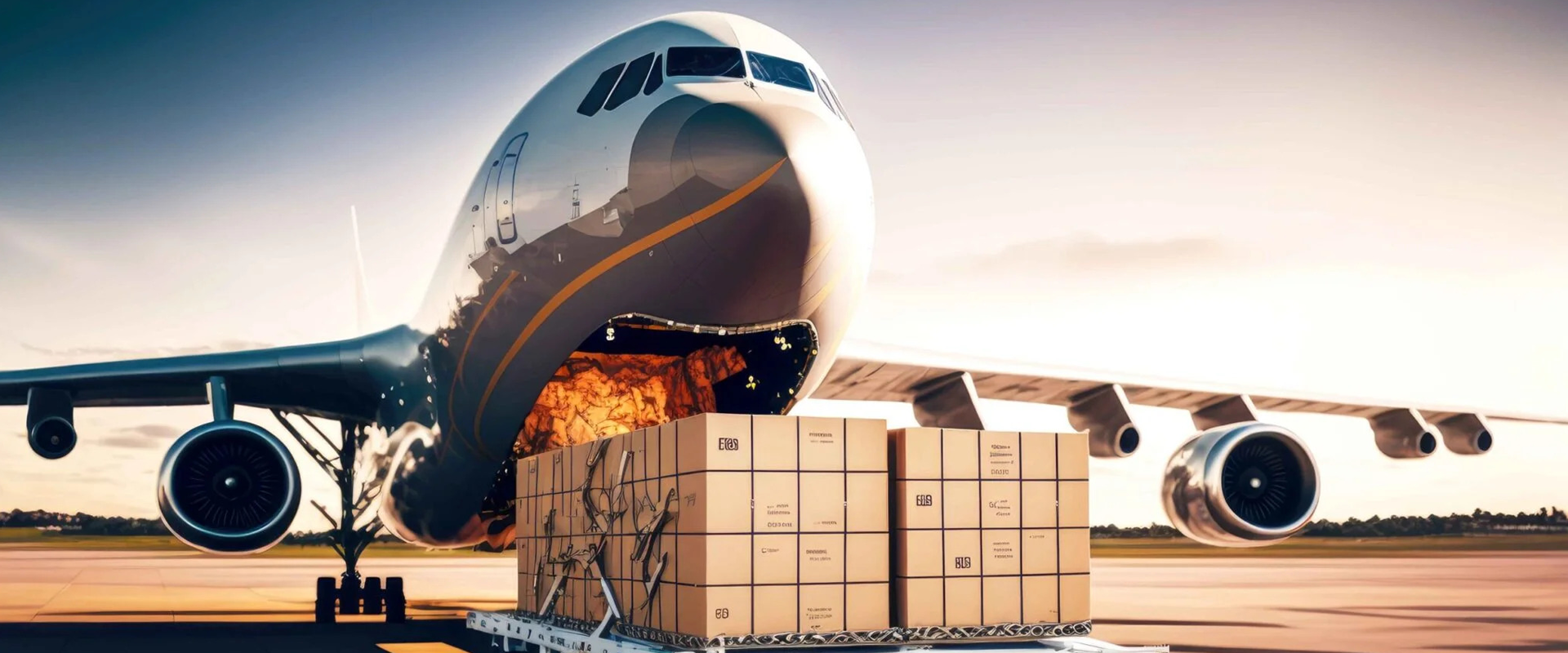
Expert perspectives on Saudi Arabia customs, ocean & air freight, and global supply chain strategies.
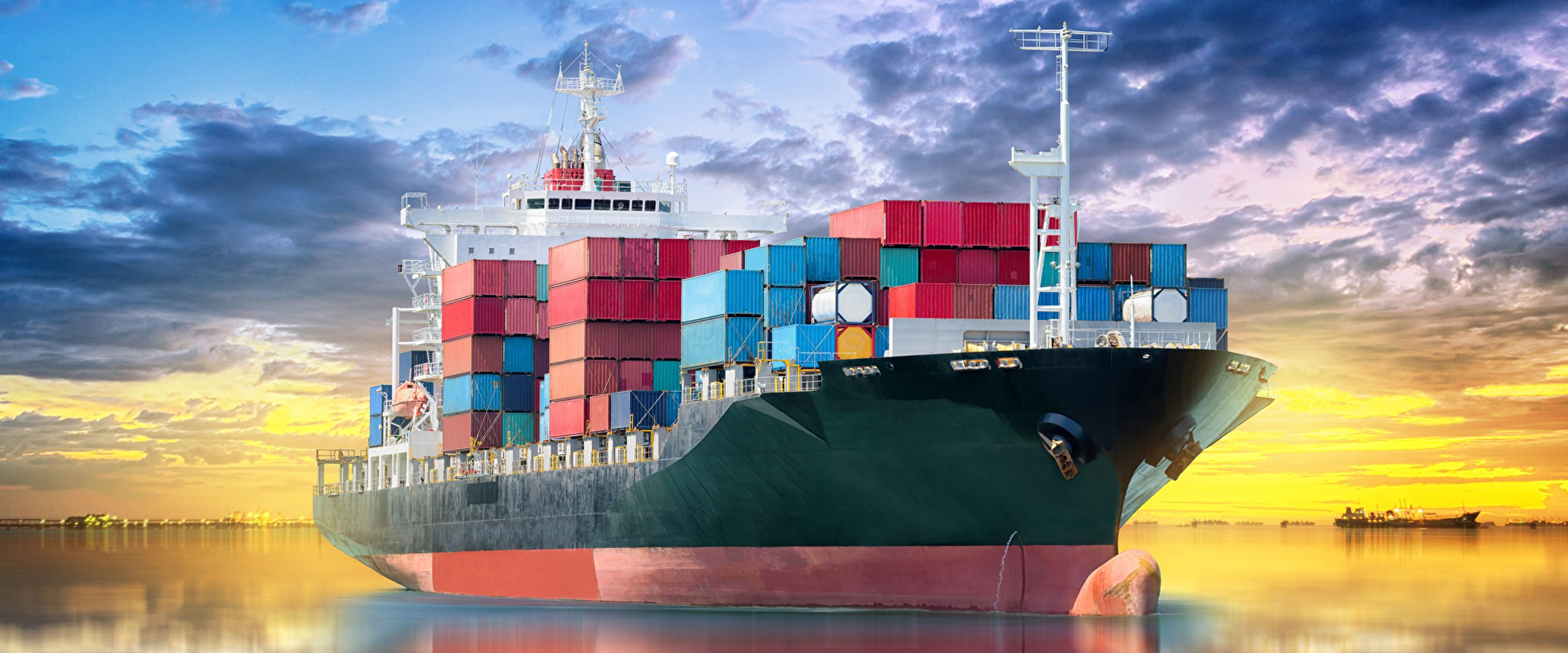
Latest market trends, port developments, and international container freight analysis.
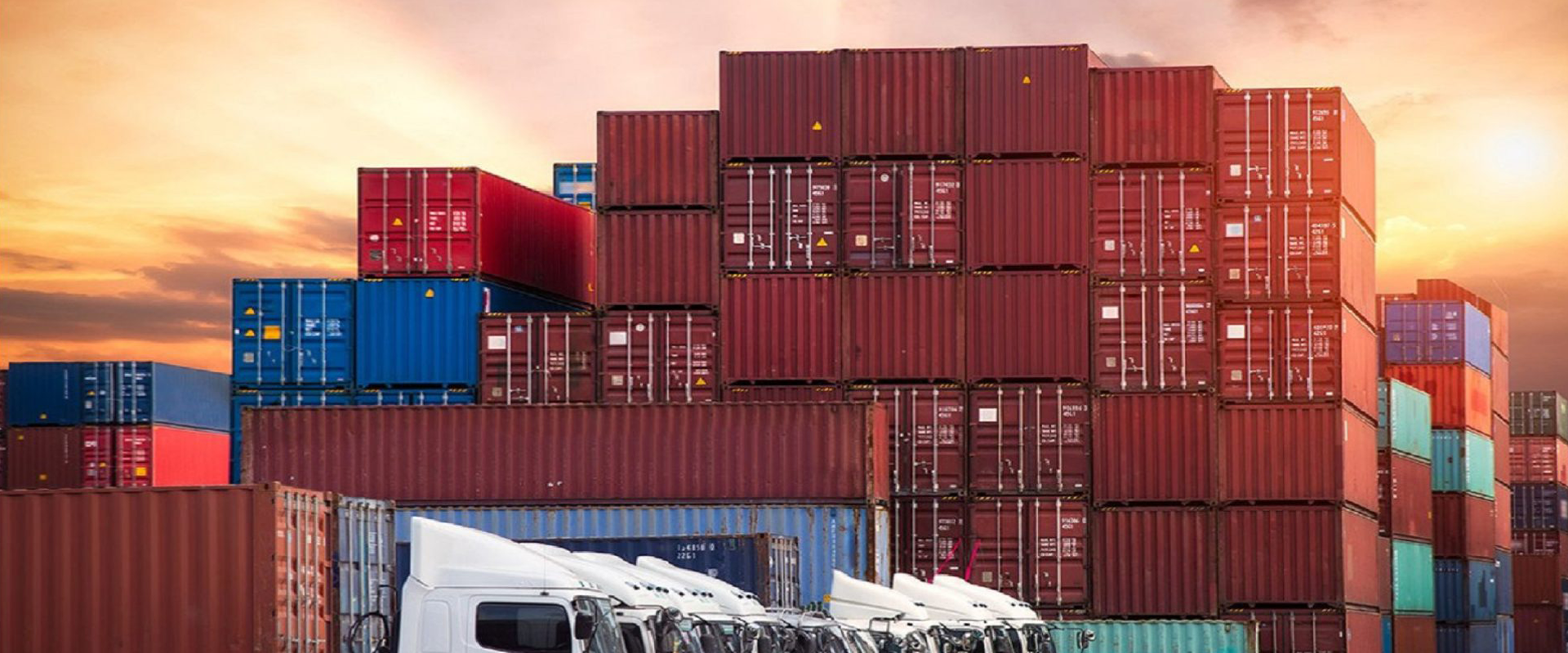
Technical case studies and operational insights for complex industrial project transport.
Direct OEM factory-to-site logistical solutions specializing in over-dimensional cargo (ODC), out-of-gauge (OOG) equipment, and door-to-door project execution.
A comprehensive study on structural securing, hydrodynamic stability, multi-modal transfer, and global compliance for high-value industrial exports.
Ocean transport of custom original equipment manufacturer (OEM) heavy machinery represents the pinnacle of logistical complexity. Unlike standardized containerized cargo, heavy machinery—ranging from 120-tonne hydraulic excavators and petrochemical fractionation columns to industrial stamping presses—presents asymmetrical weight distribution, elevated centers of gravity (CoG), and non-standard lifting geometry.
Failure to engineer transport plans against dynamic maritime forces (heave, pitch, roll, sway, surge, and yaw) can lead to catastrophic structural dynamic loading, hull stress failures, or total cargo loss. Our engineering protocol mandates rigorous 3D motion simulations, structural stress analysis of ship deck load ratings (measured in tonnes per square meter), and custom seaworthy lashing design in strict adherence to the IMO Code of Safe Practice for Cargo Stowage and Securing (CSS Code).
"Information Gain Insight: Over 68% of maritime heavy cargo incidents stem not from force majeure, but from improper Center of Gravity (CoG) calculation during shore-to-ship crane transfers and inadequate transverse lashing angles under stiff vessel roll conditions."
To safeguard high-capital investments, modern OEM machinery manufacturers require an integrated manufacturing and freight forwarding blueprint. Every piece of machinery must undergo pre-transport packaging engineering, including vapor phase corrosion inhibitor (VCI) shrink encapsulation, heavy-duty skid design, and certified hard-point lifting eye installation prior to leaving the manufacturing facility floor.
Selecting the correct maritime vessel modality dictates transit security, port handling efficiency, total landed cost, and risk mitigation.
| Transport Modality | Max Weight / Piece | Suitable Machinery Types | Port Handling Risk | Cost Efficiency Ratio |
|---|---|---|---|---|
| Ro-Ro (Roll-on/Roll-off) | Up to 400 Metric Tonnes | Wheeled & tracked excavators, articulated haulers, mobile cranes | Lowest (Zero Overhead Crane Lift) | Optimal for self-propelled machinery |
| Breakbulk Heavy-Lift Vessel | Up to 2,000+ Metric Tonnes | Mining shovels, transformers, turbines, industrial boilers | Controlled (Rigged Tandem Lift) | High for extreme over-dimensional cargo |
| Flat Rack (OOG Container) | Up to 45 Metric Tonnes | Disassembled machinery components, engines, gearboxes | Low (Standard Container Terminal) | High for semi-knocked-down (SKD) equipment |
| Barge & Heavy Deck Charter | Unlimited (Submersible) | Offshore equipment, massive EPC modules, dredgers | Requires Marine Warranty Survey | Project-dependent / Strategic charter |
Integrating regional hub strength in Jubail, Saudi Arabia with expansive international freight forwarding networks across over 100 countries.
Our certified master mariners and logistics engineers perform thorough swept-path analysis, bridge load capacity verification, and port quay stability assessments before cargo dispatch, ensuring zero road or maritime bottlenecks.
With strategic operational centers located in Jubail, Kingdom of Saudi Arabia, and network hubs spanning Europe, Asia, and the Americas, we provide accredited customs clearance and GCC cross-border road trucking seamless connections.
Fully compliant with international maritime law, WCA Network standards, FIATA guidelines, and ISO quality management systems. Authorized vendor trusted by industry leaders including Saudi Aramco, SABIC, NEOM, and SEC.
We engineer custom steel cradles, spreader bars, and timber saddles tailored to machinery mounting points, reducing shear stress during crane lifts and eliminating ocean-induced shifting.
From factory floor collection, port customs clearance, ocean transit, to final offloading onto foundation pads using hydraulic gantry systems—we provide single-source accountability.
Real-time GPS tracking combined with shock, humidity, and tilt sensor monitoring gives project stakeholders complete transparent insight into their high-value equipment status during long-haul ocean voyages.
Key technological, environmental, and geopolitical shifts driving modern industrial export strategies.
Global EPC contractors are rapidly transitioning from traditional on-site equipment assembly to pre-commissioned, modularized super-structures built directly in OEM manufacturing facilities. This trend drastically increases individual shipment weights (frequently exceeding 500 tonnes per unit) while demanding specialized heavy-lift breakbulk vessels equipped with dual ship cranes capable of tandem lifts up to 1,400 metric tonnes.
With the International Maritime Organization (IMO) enforcing stricter Energy Efficiency Existing Ship Index (EEXI) and Carbon Intensity Indicator (CII) regulations, maritime carriers are optimizing vessel speeds. Shippers must recalibrate lead times for heavy machinery shipments and account for green premium surcharges, favoring logistics partners who utilize fuel-efficient dual-fuel LNG/methanol breakbulk fleets.
Predictive logistics analytics is replacing static route planning. Modern heavy-lift operations employ "Digital Twin" vessel simulations. By synthesizing real-time wave period dynamics, sea-state forecasts, and structural stress thresholds, AI algorithms plot optimal ocean transit corridors to avoid excessive vessel roll angles that threaten delicate machinery structures.
Geopolitical realignments have prompted heavy machinery manufacturers to establish secondary export hubs in regions like the Middle East, Southeast Asia, and Eastern Europe. Supply chain resilience now relies on robust multi-modal links—seamlessly connecting deep-sea ocean routes with inland waterway barges and heavy-duty multi-axle Hydraulic Modular Trailers (SPMTs).
Addressing critical technical, regulatory, and commercial queries for global machinery buyers and logistics planners.
Download our technical capabilities brochure or request a custom ocean freight engineering assessment from our project team.
Get Catalog