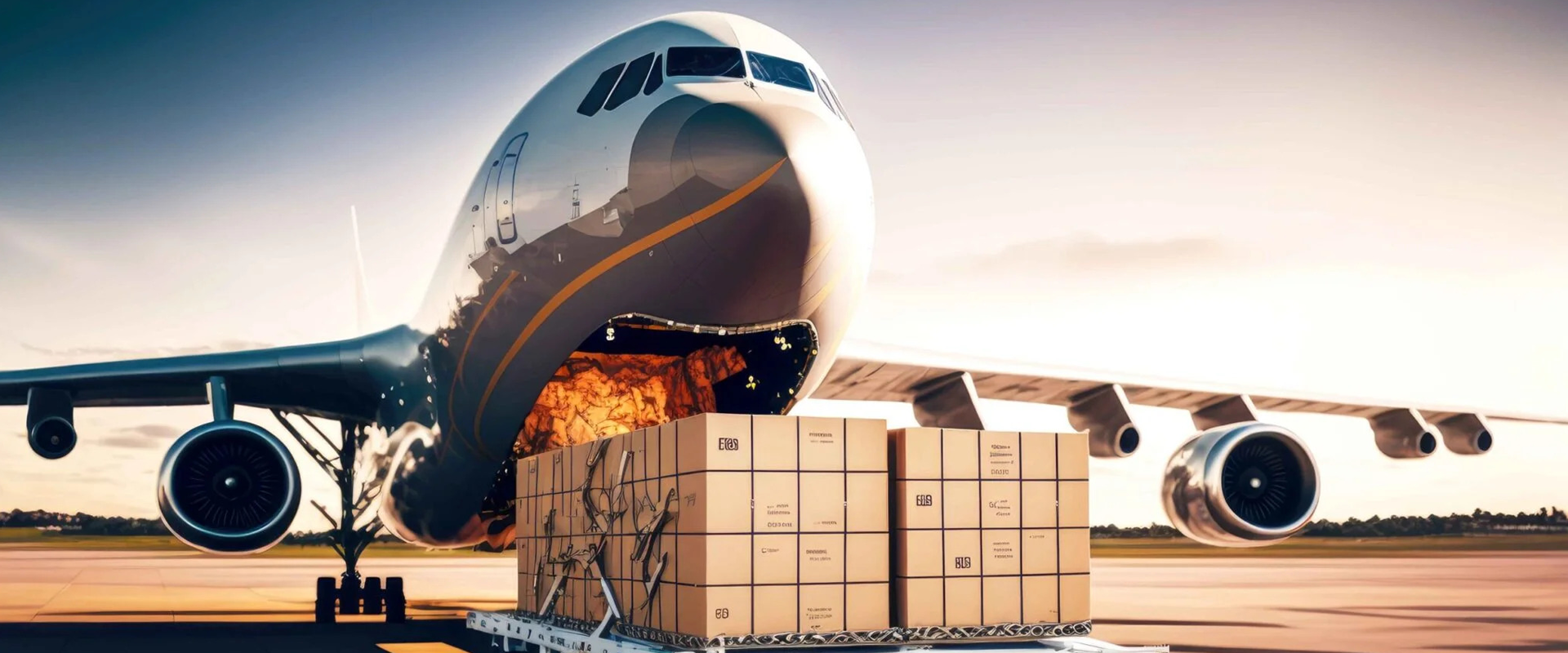
Expert perspectives on Saudi Arabia customs, ocean & air freight, and global supply chain strategies.
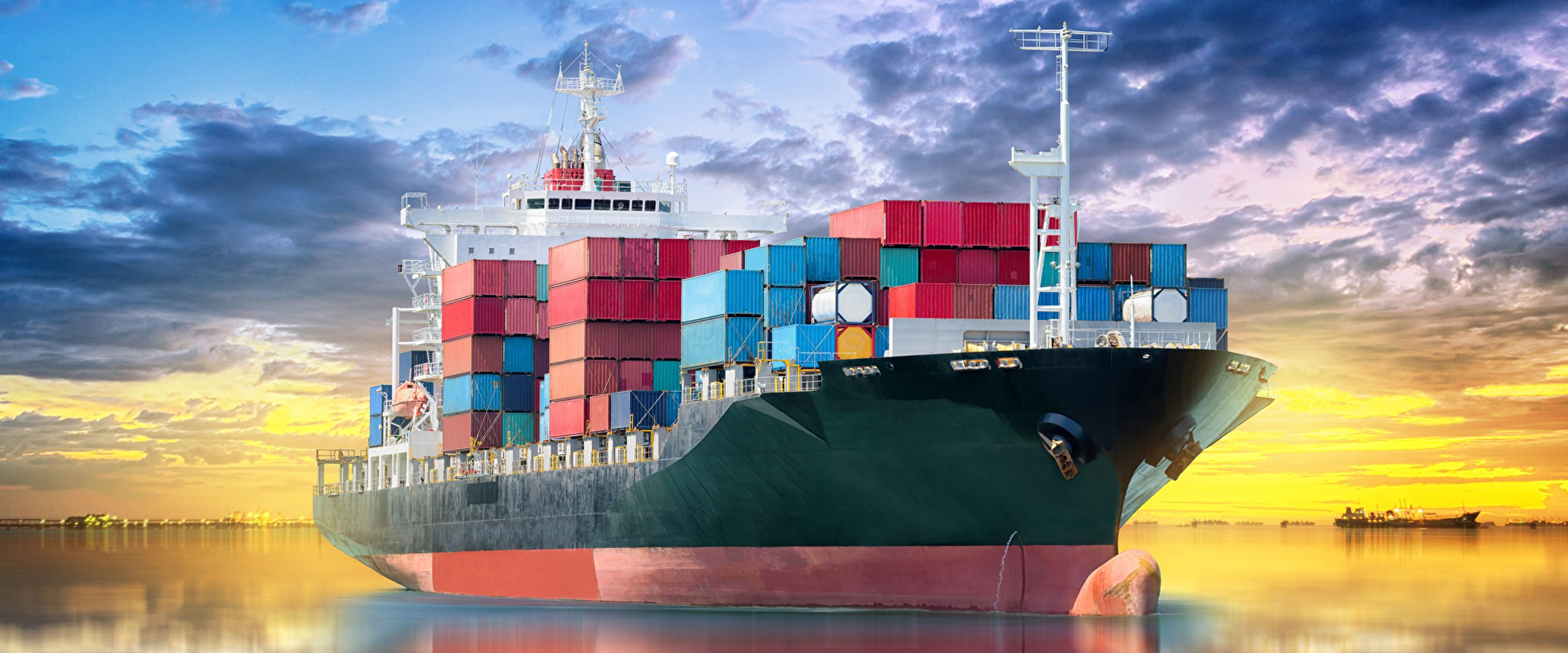
Latest market trends, port developments, and international container freight analysis.
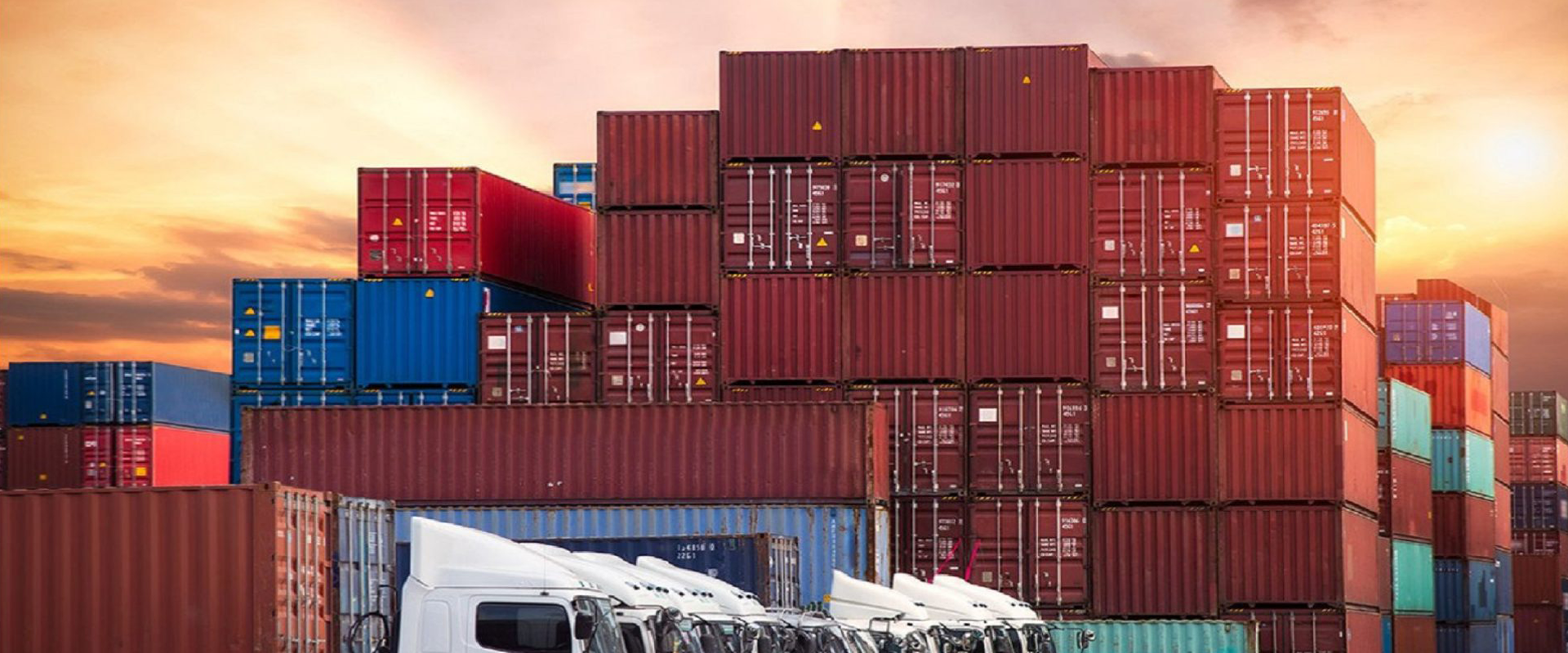
Technical case studies and operational insights for complex industrial project transport.
Explore our flagship freight forwarding, FCL/LCL ocean vessel cargo routes, bonded customs clearance, and transcontinental railway container services.
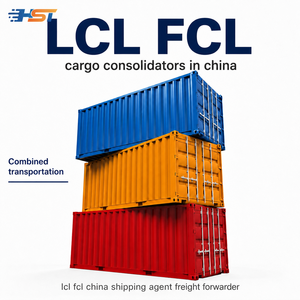
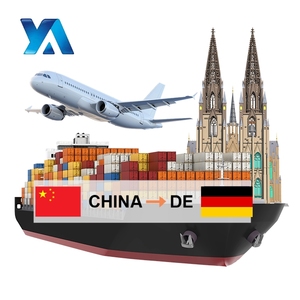
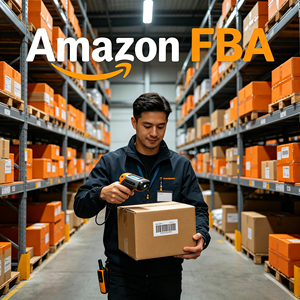
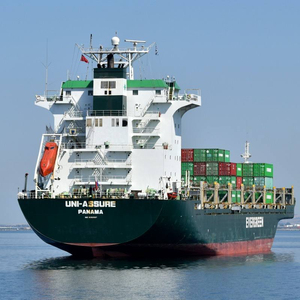
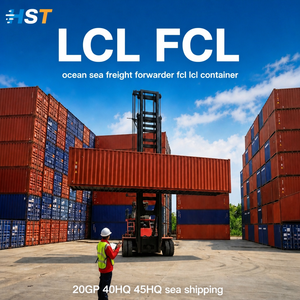
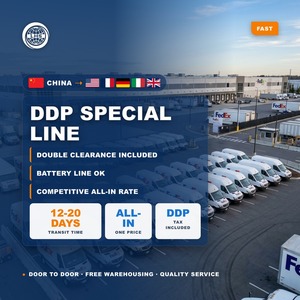
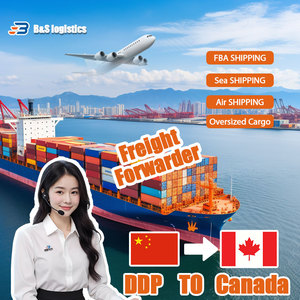
In the contemporary landscape of global trade, cross-border logistics is no longer merely a cost center; it is a critical driver of competitive advantage and supply chain resilience. As multinational procurement officers, supply chain directors, and enterprise logistics managers navigate volatile geopolitical shifts, energy transition mandates, and fluctuating spot rates, the demand for integrated intermodal container transport services from China has reached an unprecedented high. Intermodal transport—the seamless movement of standardized freight cargo using multiple modes of transportation (maritime vessel, rail express, and cross-border trucking) without direct cargo handling during modal transfers—represents the pinnacle of operational efficiency.
China stands at the absolute epicenter of world manufacturing and containerized export capacity. Home to seven of the world’s top ten busiest container seaports—including Shanghai, Ningbo-Zhoushan, Shenzhen, and Qingdao—China’s manufacturing ecosystem relies on high-density intermodal logistics to link hinterland factories directly to global buyers across Europe, the GCC region, North America, and emerging African markets. To maximize capital turnover and mitigate port congestion risks, enterprise buyers must move beyond traditional single-mode port-to-port ocean freight and embrace unified multimodal freight forwarding architectures.
Leveraging deep industrial roots and operational frameworks derived from global logistics titans, our organization—operating with primary strategic hubs in Jubail, Kingdom of Saudi Arabia and major Chinese maritime gateways (Shenzhen, Ningbo, Guangzhou)—delivers an unmatchable intermodal service portfolio. Serving industry heavyweights across oil & gas, petrochemicals, automotive manufacturing, and EPC project engineering (including SABIC, Saudi Aramco, NEOM, TASNEE, and Hyundai Heavy Industries), our freight operations strictly adhere to international quality benchmarks.
| Transport Mode & Routing | Typical Transit Windows | Best For (Cargo Profile) | Compliance & Risk Rating |
|---|---|---|---|
| China to Europe (Sino-Euro Rail Express) | 12 – 18 Days Door-to-Door | Electronics, Automotive Components, Industrial Machinery | High Reliability / Low Volatility |
| China to GCC / Middle East (Sea-Land Intermodal) | 15 – 22 Days Port-to-Door | Petrochemical Equipment, Building Materials, Bulk Commodities | AEO / WCA Certified Compliant |
| China to USA / Canada (DDP Express Maritime) | 15 – 25 Days Door-to-Door | Amazon FBA Merchant Cargo, Consumer Goods, High-Value E-Commerce | Customs Bonded / Duty Paid Guarantee |
| Breakbulk & Over-Dimensional (OOG) Intermodal | Custom Schedule | Oil & Gas Modules, Heavy Lift Machinery, Energy Infrastructure | FIATA & ISO 9001/14001 Audited |
A fundamental prerequisite for optimizing intermodal freight costs is selecting the precise container equipment for specific cargo dimensions and payload weight ratios. Factories and suppliers in China utilize ISO-standardized steel shipping containers engineered to withstand severe dynamic forces during vessel rolling, rail car switching, and highway truck acceleration.
Designed for high-density, heavy commodities such as metal hardware, mineral ores, and raw chemical powders. Internal capacity: ~33.2 CBM; Maximum Payload: ~28,200 kg.
Optimized for volumetric, light-to-medium weight cargo including apparel, footwear, furniture, and consumer electronics. Internal capacity: ~76.4 CBM; Max Payload: ~28,800 kg.
Specialized equipment including temperature-controlled refrigerated containers, Open Top units for overhead crane loading, and Flat Racks for heavy project machinery.
Empirical performance metrics across primary logistics modes under standard operational conditions.
The intermodal logistics landscape is undergoing a systemic structural transformation. Procurement leaders must align their sourcing strategies with three macro trends defining the next decade of transcontinental logistics:
With the International Maritime Organization (IMO) enforcing strict greenhouse gas emission reductions and the European Union expanding its Carbon Border Adjustment Mechanism (CBAM), top-tier China freight suppliers are aggressively deploying dual-fuel LNG and methanol container vessels, alongside electrified intermodal rail feeder networks. Sourcing from factories that partner with green-certified freight forwarders ensures full compliance with Scope 3 carbon auditing mandates.
Static tracking numbers are being superseded by real-time telemetry. Advanced intermodal container fleets are now outfitted with solar-powered IoT sensors monitoring GPS location, internal temperature, humidity, shock impact, and door-opening events in real time. This end-to-end visibility is essential for high-value e-commerce shipping, pharmaceutical logistics, and cold-chain food distribution.
Geopolitical friction, bottlenecked maritime chokepoints, and localized port strikes require dynamic rerouting capabilities. Modern intermodal transport management systems (TMS) continuously ingest ocean carrier AIS data, weather updates, and customs clearance queues to dynamically switch freight between sea-rail, sea-road, or direct rail channels before cargo encounters delays.
China's dominance in intermodal transport is backed by unrivaled physical infrastructure. Chinese container manufacturing factories produce over 90% of the world’s ISO intermodal containers. Furthermore, China's mega-ports have achieved unmatched operational automation rates, utilizing automated guided vehicles (AGVs) and AI-driven gantry cranes that operate 24/7 with zero downtime.
This automated infrastructure drastically reduces port dwell time, allowing vessels to berth, unload, reload, and depart with surgical precision. For international procurement agents, partnering directly with China-based freight consolidation suppliers grants direct access to primary carrier space allocations (NVOCC preferential contracts), eliminating middleman markups and securing guaranteed equipment release during peak shipping seasons.
When executing complex international freight moves, theoretical knowledge cannot replace proven operational experience. Our corporate credentials reflect decades of multi-industry mastery:
Fully accredited by WCA (World Cargo Alliance), FIATA, and holding comprehensive ISO 9001:2015 & ISO 14001:2015 quality and environmental management certifications.
Strategically anchored in Jubail Commercial Complex (Saudi Arabia) with deep operational footholds across Shenzhen, Ningbo, and Shanghai, facilitating seamless GCC-Asia trade flows.
Proven track record managing complex project cargo and supply chains for industrial giants including SABIC, Saudi Aramco, NEOM, TASNEE, SWCC, and KBR.
To assist global procurement directors in evaluating China intermodal container transport options, our senior logistics experts have compiled detailed answers to the most critical freight management inquiries.
FCL (Full Container Load) allocates an entire dedicated shipping container (20GP, 40GP, or 40HQ) to a single shipper. This minimizes handling, eliminates consolidation delays, offers lower risk of cargo damage, and delivers the lowest per-CBM freight rate for volumes exceeding 15 CBM. LCL (Less than Container Load) consolidates multiple smaller shipments from different buyers into a shared container. LCL is highly cost-effective for smaller volumes (1 to 14 CBM), though it involves additional handling at origin CFS (Container Freight Station) and destination de-consolidation hubs, adding 3–5 business days to total transit time.
Under Incoterms 2020 DDP terms, the seller/freight forwarder assumes maximum financial responsibility and operational risk. The service provider handles end-to-end logistics: factory pickup in China, export customs clearance, main intermodal transport (ocean, rail, or air), import customs brokerage at the port of entry, payment of all applicable import duties and Value Added Tax (VAT), and final mile truck delivery directly to the buyer's warehouse or Amazon FBA fulfillment center.
Demurrage (charges for containers sitting inside the port terminal beyond free days) and Detention (charges for keeping the container outside the terminal past the return deadline) can severely impact profitability. Key mitigation strategies include: 1) Negotiating extended free time (14 to 21 free days) directly with ocean lines via NVOCC volume contracts prior to vessel departure; 2) Pre-clearing customs paperwork via electronic manifests prior to vessel berthing; 3) Utilizing customs-bonded warehousing facilities located outside high-congestion port boundaries for immediate container stripping.
During maritime peak shipping seasons (Q3/Q4 leading up to holiday retail rushes), ocean freight spot rates fluctuate wildly, port congestion worsens, and equipment shortages delay shipments. The China-Europe Railway Express (transiting through northern routes via Kazakhstan/Russia or southern middle corridor paths via the Caspian Sea) offers fixed transit schedules (12–18 days), immune to maritime weather disruptions, providing a stable intermediate solution between costly air freight and slow ocean shipping.
Standard commercial import clearance requires: 1) Master Bill of Lading (MBL) or Multimodal Transport Bill of Lading; 2) Commercial Invoice detailed with line-item H.S. Codes; 3) Detailed Packing List (specifying gross/net weights and dimensions); 4) Certificate of Origin (Form E for ASEAN trade, Form F, or general CO); 5) Import/Export Licenses or specific compliance certificates (such as SASO/SABER for Saudi Arabia, CE certificates for Europe, or FDA approvals for the USA).
Hazardous materials (Class 2 gases, Class 3 flammable liquids, Class 8 corrosives, etc.) require strict adherence to the International Maritime Dangerous Goods (IMDG) code. Freight forwarders must ensure proper UN-rated hazardous packaging, accurate Dangerous Goods (DG) declarations, vessel slot pre-approval, specialized MSDS (Material Safety Data Sheet) compliance, and dedicated transport units outfitted with emergency spill kits and certified drivers.
Mastering international trade from China requires an integrated logistics partner capable of synchronizing factory production timelines with vessel departures, railway block schedules, customs clearance, and final-mile delivery. By leveraging standardized 20ft/40ft container fleets, customs-bonded warehousing, and real-time telemetry, enterprise buyers optimize operational velocity while safeguarding profit margins against supply chain shocks.
To receive a tailored freight audit, optimized lane routing analysis, or instant container rate quote for your specific trade lane, click the button below to connect directly with our global logistics team.