
Expert perspectives on Saudi Arabia customs, ocean & air freight, and global supply chain strategies.
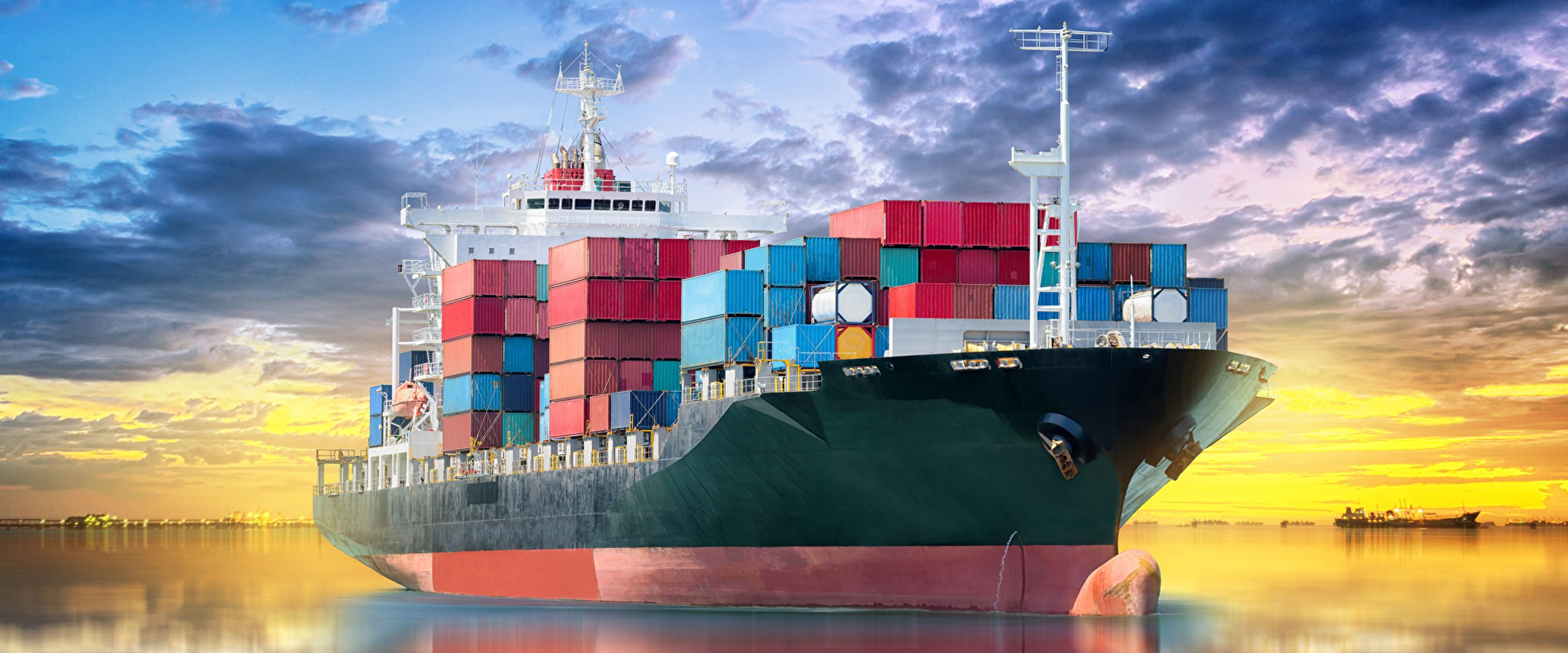
Latest market trends, port developments, and international container freight analysis.
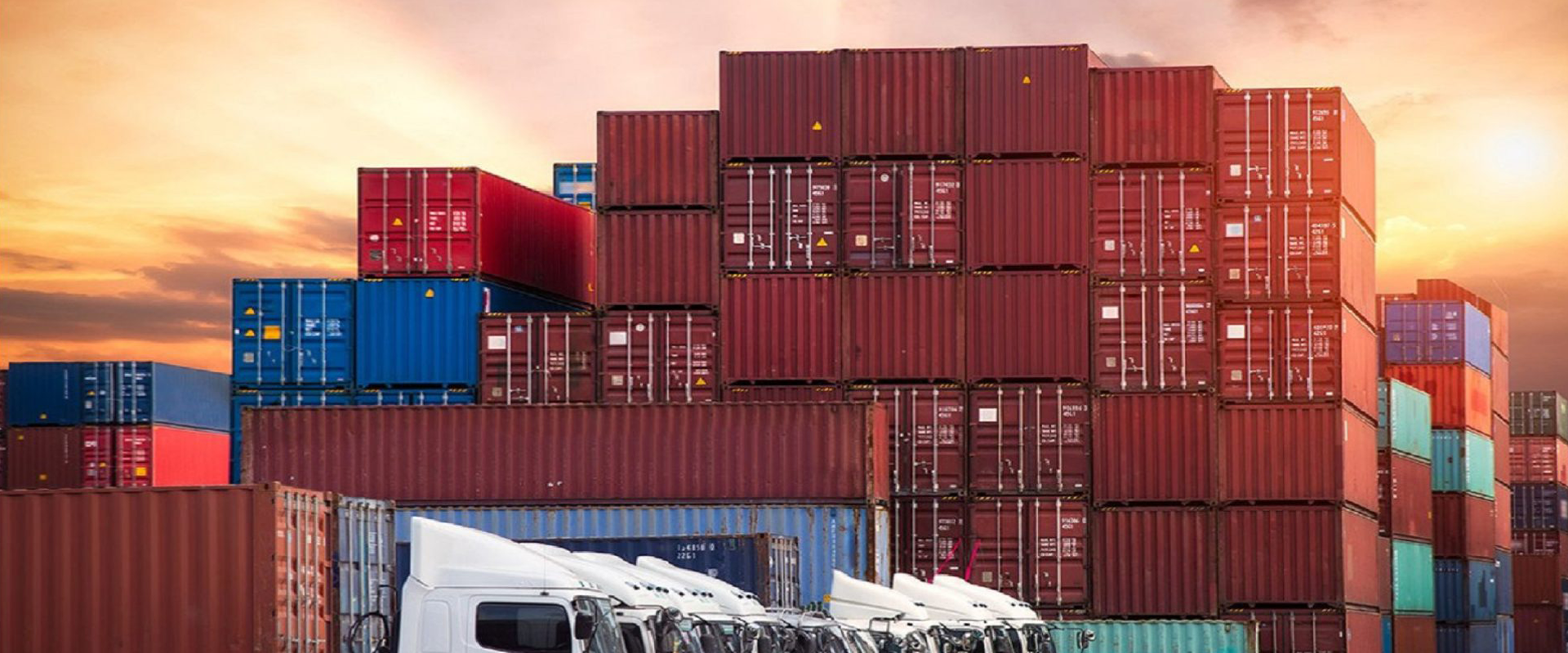
Technical case studies and operational insights for complex industrial project transport.
Select from our vetted turnkey freight forwarding services, air charter packages, and heavy cargo breakbulk shipping programs designed for extreme reliability across critical energy supply routes.

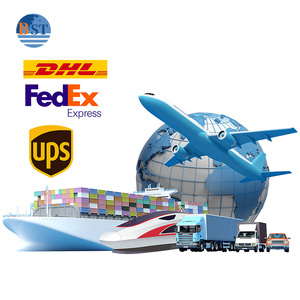
Headquartered in Jubail, Kingdom of Saudi Arabia, SOHO Shipping & Logistics LLC operates specialized business units delivering integrated, high-precision supply chain solutions for the world’s most demanding energy, petrochemical, and heavy manufacturing EPC projects.
Direct EDI integration with Saudi Customs (ZATCA / FASAH). We eliminate clearance bottlenecks at King Abdulaziz Port Jubail, Dammam Port, and Jeddah Islamic Port, maintaining zero-delay compliance records for regulated industrial imports.
From 500-ton hydro-cracker reactors to 80-meter wind turbine blades, our engineering teams perform route survey calculations, bridge load assessments, SPMT axle configuration, and ocean chartering for over-dimensional cargo.
Certified active members of WCA Network, FIATA, and ISO-9001/14001 certified. Powered by an international network across 100+ countries, ensuring end-to-end operational integrity from global factories to remote GCC job sites.


As global energy transitions accelerate alongside massive capital expenditure programs in green hydrogen, LNG expansion, and modular refinery construction, procurement executives are re-engineering their logistics sourcing frameworks.
Traditional procurement models engaged logistics freight forwarders during late-stage EPC execution, resulting in severe cost overruns, port congestion fees, and unexpected route obstructions. Modern energy procurement strategy mandates Early-Contractor Involvement (ECI) up to 18 months prior to factory fabrication.
By integrating logistics engineers into early FEED (Front-End Engineering Design) phases, suppliers ensure that oversized pressure vessels, heat exchangers, and substation modules are manufactured to dimensions compatible with global shipping envelope constraints and destination port crane limitations.
Energy infrastructure projects operate under stringent liquidated damages (LD) clauses where a single day of site standstill can incur hundreds of thousands of dollars in penalties. Procurement teams are moving away from FOB or CFR terms toward comprehensive DDP frameworks handled by unified project logistics partners.
Under a single-point-of-contact DDP contract, the logistics provider assumes full operational and legal liability for factory pick-up, export compliance, ocean/air chartering, import clearance, tax settlement, and final foundation placement.
With stringent EU Carbon Border Adjustment Mechanisms (CBAM) and corporate ESG mandates taking effect, energy factories and equipment suppliers are scrutinized on their Scope 3 supply chain carbon emissions. Logistics procurement now evaluates freight partners based on fleet efficiency, bio-fuel charter options, and carbon reporting accuracy.
Logistics partners utilizing eco-optimized vessel speeds, modern LNG-fueled heavy transport ships, and optimized intermodal rail corridors provide raw carbon accounting data required for green project finance approvals.
Modern energy logistics procurement demands complete digital transparency. Real-time IoT sensors mounted on breakbulk frames monitor shock, tilt, temperature, and humidity during ocean passage. Advanced predictive analytics enable procurement officers to foresee port congestion, weather disruptions, and customs holds, allowing automated re-routing before costly bottleneck bottlenecks occur.
| Procurement Dimension | Traditional Freight Sourcing | Next-Generation Energy Logistics Framework | Strategic Impact |
|---|---|---|---|
| Engagement Point | Post-fabrication shipping booking | FEED Stage Early Contractor Involvement (ECI) | 27% Cost Reduction |
| INCOTERM Preference | FOB / CFR (High Buyer Risk) | Turnkey DDP / DAP with Site Foundation Placement | Zero Multi-Vendor Dispute |
| Customs Integration | Handled by third-party standalone brokers | Direct EDI In-House Brokerage (ZATCA / FASAH) | Demurrage Avoidance |
| Cargo Tracking | Manual status reports via email | IoT Telemetry & GPS Shock/Tilt Digital Twin Visibility | High Risk Mitigation |
An authoritative breakdown of technological, regulatory, and infrastructural evolutions transforming how heavy machinery, energy components, and raw industrial materials move globally.
Global multipurpose vessel (MPV) and heavy-lift fleet supply remains constrained amidst surging demand from offshore wind farms and Middle Eastern megaprojects. Leading procurement managers are securing long-term charter agreements and slot reservations up to 12 months in advance to guarantee vessel availability for oversized breakbulk cargoes.
The Middle East—driven by Saudi Arabia's Vision 2030 megaprojects such as NEOM, SPARK (King Salman Energy Park), and the Jubail Industrial City expansions—has become the epicenter of global energy logistics demand. Localized expertise, inland haulage permits, and dedicated heavy-axle hydraulic trailers (SPMTs) are prerequisite success factors.
When unexpected equipment failures threaten plant commissioning timelines, heavy-lift air charters (utilizing charter aircraft such as the Ilyushin IL-76, Antonov AN-124, or Boeing 747-8F) serve as vital risk-insurance tools. Emergency air charters allow rapid door-to-door delivery of heavy turbines, valves, and control skid modules within 48 to 72 hours globally.
Answers to essential technical, legal, and operational questions facing global energy infrastructure buyers, factory managers, and EPC freight procurement specialists.
The primary trade-offs are weight/volume limitations, urgency, and budget. Sea breakbulk is the standard choice for oversized components over 100 metric tons (e.g., steam generators, reactors, heavy transformers) due to vessel payload capabilities and lower ton-mile costs. However, air chartering becomes essential for high-priority emergency replacements or critical-path project components where plant downtime penalties exceed air freight charter premiums.
Under DDP terms, the freight forwarder handles all import duties, SABER product certifications, ZATCA tax filings, port clearance charges, and inland transportation to the job site. This shifts clearance and regulatory risks away from the buyer, preventing unexpected demurrage charges at ports like Jubail, Dammam, or Jeddah and ensuring fixed budget allocation.
Inland transport requires comprehensive route survey studies, bridge structural capacity certifications, overhead utility wire clearance permits, and highway escort permissions from the Ministry of Transport and Traffic Authorities. Specialized multi-axle Hydraulic Platform Trailers (SPMTs) must be engineered specifically to distribute axle weight within highway structural safety limits.
Professional project freight forwarders implement rigorous Marine Warranty Inspection (MWS) protocols. This includes custom lashing calculations based on IMO Code of Safe Practice for Cargo Stowage and Securing (CSS Code), designing welded sea-fastening stoppers, utilizing heavy dunnage framing, and placing 3D shock/vibration telemetry sensors inside cargo cases.
Third-party sub-contracted brokers often lack specialized knowledge regarding industrial duty exemption codes, chemical safety MSDS approvals, and chemical/oilfield equipment customs classification codes. In-house licensed brokers provide direct electronic data interface (EDI) integration with port systems, ensuring immediate clearance upon vessel berth and avoiding costly port storage fees.
Key mandatory documents include the Commercial Invoice with HS Code breakdown, Certificate of Origin certified by the Chamber of Commerce, Bill of Lading / Air Waybill, Detailed Packing List with net/gross weights and dimensions, SABRE Conformity Certificate, and applicable Duty Exemption Approvals issued by the Ministry of Industry and Mineral Resources.
Whether you require full vessel charters for breakbulk project cargo, expedited DDP air freight solutions, or turnkey industrial customs clearance, SOHO Shipping & Logistics delivers unparalleled execution excellence tailored to your project requirements.
Send an Inquiry