
Expert perspectives on Saudi Arabia customs, ocean & air freight, and global supply chain strategies.

Latest market trends, port developments, and international container freight analysis.
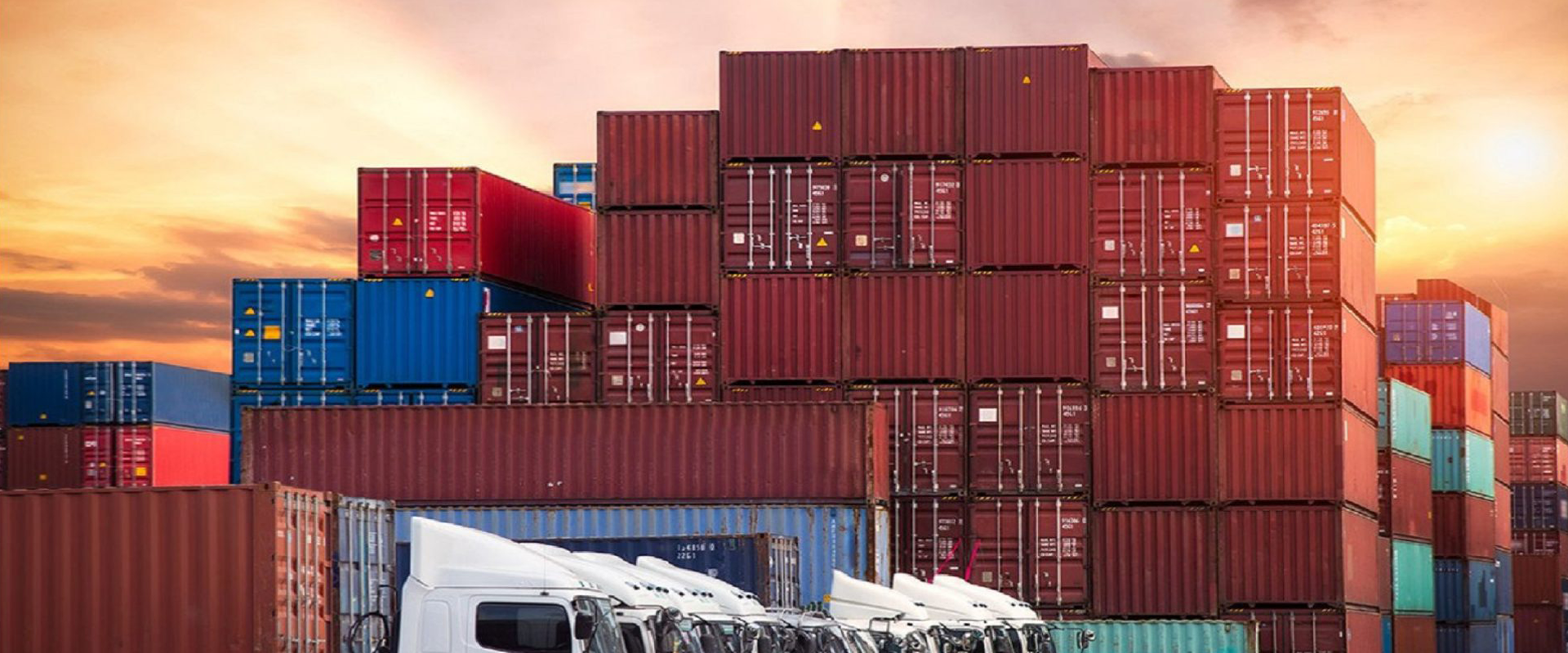
Technical case studies and operational insights for complex industrial project transport.
Explore our flagship heavy haulage, chartering, and multi-modal logistics options customized for global mining enterprises, energy majors, and EPC prime contractors.
Executing logistics operations for extraction, processing, and earthmoving machinery represents one of the most complex disciplines within project freight forwarding. Heavy equipment logistics requires absolute precision, specialized engineering, rigid safety protocols, and an intimate understanding of international maritime and terrestrial haulage regulations. Operating as an industrial leader headquartered in Jubail, Saudi Arabia—with operational nodes spanning global strategic hubs—SOHO Shipping & Logistics LLC delivers integrated, end-to-end transport frameworks for multinational mining conglomerates, EPC contractors, and equipment original equipment manufacturers (OEMs).
Whether moving hydraulic excavators, haul trucks, sag mills, rock crushers, or modular processing units, managing the logistics lifecycle demands more than standard containerized transport. It demands tailored Out-of-Gauge (OOG) engineering, breakbulk chartering, heavy-lift crane mobilization, specialized route surveys, and rapid customs clearance compliance.
Our logistics capabilities are backed by extensive physical asset networks and partner charter options designed to accommodate super-heavy payloads across challenging geographies:
Multi-axle Self-Propelled Modular Transporters (SPMTs), low-boy trailers, and hydraulic drop-deck platforms capable of moving concentrated loads exceeding 1,000 metric tons.
Direct chartering access to heavy-lift gear ships equipped with onboard cranes (up to 1,500t combined lift capacity), Ro-Ro vessels, and specialized deck barges for marine transit.
Streamlined customs clearance across Middle Eastern ports (Jubail, Dammam, Jeddah) and global gateways, fully aligned with SABIC, Aramco, and international industrial compliance mandates.
The global mining sector is undergoing a massive transformation driven by the energy transition, critical mineral demand (lithium, cobalt, copper, nickel), and aggressive ESG (Environmental, Social, and Governance) directives. As mining operations shift toward remote, high-altitude, or ultra-harsh environments, procurement managers must adapt their logistics sourcing strategies to address evolving industry headwinds.
To minimize high-cost on-site labor and construction delays at isolated mine sites, mining operators increasingly procure fully modularized process plants and pre-assembled heavy equipment. This shift transfers the structural assembly phase from the destination mine to global manufacturing hubs. Consequently, freight forwarders must transport significantly larger, super-heavy, non-standard modules, demanding advanced 3D dynamic load modeling and real-time stress testing prior to transit.
Scope 3 emissions tracking has moved from a voluntary corporate disclosure to a mandatory procurement evaluation metric. Tier-1 mining suppliers and logistics vendors are required to optimize fuel efficiency, adopt low-emission maritime fuels (such as methanol and green ammonia), and utilize hybrid or bio-diesel heavy transport vehicles. Contracting partners offering verified carbon reporting data gain a distinct competitive advantage during RFQ evaluations.
Procurement teams are shifting away from reactive milestone tracking toward real-time telemetry integration. Heavy mining equipment fitted with multi-sensor IoT units transmits live data regarding tilt angles, G-force impacts, ambient humidity, and thermal variance during ocean and overland passage. This granular visibility ensures equipment integrity upon arrival and provides legal auditing data for high-value cargo insurance coverage.
| Evaluation Factor | Traditional Logistics Framework | Next-Gen Heavy Equipment Logistics |
|---|---|---|
| Cargo Handling Strategy | Component disassembly & standard container packaging | Fully modularized, super-heavy OOG & breakbulk transport |
| Cargo Visibility | Manual EDI status updates at port gates | Continuous IoT sensor telemetry (G-force, GPS, climate) |
| Sustainability Compliance | Basic carbon estimation based on mileage | Granular Scope 3 carbon auditing & green-fleet prioritization |
| Risk Mitigation | Standard marine cargo insurance coverage | Digital twin route simulation & dynamic structural analysis |
| Customs Integration | Post-arrival paper documentation processing | Pre-cleared digital customs, DDP, and bonded corridor transit |
Technological integration is fundamentally altering how oversized mining machinery traverses terrestrial infrastructure and ocean corridors. Key technological paradigms include:
High-resolution LiDAR scans generate 3D digital elevation models along inland transit corridors, identifying overhead clearance issues, bridge structural load limits, and tight turning radiuses long before haulage begins.
Advanced physics engine software calculates dynamic wave accelerations and vessel motion dynamics, optimizing lashing schemes and point-load distribution to prevent cargo shift during high-seas navigation.
Direct integration with Saudi ZATCA and international customs databases allows automated duty calculations, Harmonized System (HS) code verification, and pre-arrival tax clearance, eliminating port demurrage costs.
Addressing critical operational questions faced by logistics directors, project managers, and procurement officers when sourcing global heavy equipment transportation services.
Ro-Ro shipping utilizes specialized vessels equipped with ramps, allowing self-propelled equipment (or towable wheeled machinery) to be driven directly into protected lower decks. Ro-Ro offers lower handling costs and zero exposure to sea spray. Breakbulk, conversely, involves lifting non-wheeled, extra-heavy, or static machinery (such as tracked excavators or crushers) onto open ocean vessels via heavy cranes, requiring specialized blocking, bracing, and weather-protective wrapping.
OOG haulage requires a comprehensive engineering route survey beforehand. Logistics suppliers must secure permits from national transport authorities (such as the Ministry of Transport in Saudi Arabia), arrange police escorts, coordinate temporary electrical wire lifting, conduct structural bridge calculations, and construct temporary bypass roads or laydown areas where bridge load ratings are insufficient.
Key documentation includes: Detailed Packing Lists identifying individual component weights and dimensions, Commercial Invoices with correct HS Code classifications, Certificates of Origin, Bill of Lading, Technical Engineering Specifications, and relevant import permits (such as SABER certificates for Saudi Arabia). DDP terms require the freight forwarder to handle all import duties, VAT, and customs formalities directly.
Professional heavy-lift logistics providers utilize multi-layer corrosion mitigation protocols. This includes the application of heavy-duty industrial VCI (Vapor Corrosion Inhibitor) films, shrink-wrapping critical hydraulic valves and electrical control boxes, applying anti-corrosive wax coatings to unpainted machined surfaces, and housing sensitive electronics in climate-controlled under-deck vessel holds.
Self-Propelled Modular Transporters (SPMTs) feature multi-axle lines governed by computer-controlled steering systems. They can rotate 360 degrees and equalize hydraulic load weight evenly across hundreds of tires. SPMTs are critical for maneuvering super-heavy mining components (like 800t SAG mills) into tight, confined processing plant structures where traditional cranes cannot operate.
Demurrage risks are mitigated by executing pre-clearance customs documentation, arranging direct ship-to-trailer discharge operations for heavy lift pieces, securing pre-booked staging yards near port terminals, and maintaining dedicated heavy transport fleets ready for immediate offloading upon vessel berth.
Under FOB or CIF terms, the buyer inherits significant inland transport risks, port storage penalties, and customs clearance hurdles at destination ports. DDP (Delivered Duty Paid) transfers single-point accountability to the logistics forwarder, establishing fixed cost certainty, streamlined insurance liability, and eliminating administrative burdens for the buyer’s procurement team.
Heavy lift operations follow strict marine engineering guidelines certified by independent marine warranty surveyors (MWS). Lifting plans conform to ASME B30 standards, while sea-fastening and vessel lashing comply with IMO (International Maritime Organization) Code of Safe Practice for Cargo Stowage and Securing guidelines.
Navigating complex logistics mandates across the GCC region, Asia, Europe, and the Americas requires an operational partner with deep roots and verified capabilities. Headquartered in Jubail—Saudi Arabia's premier industrial city—SOHO Shipping & Logistics LLC stands as a premier freight forwarding powerhouse serving industry giants such as SABIC, Saudi Aramco, NEOM, Hyundai Heavy Industries, SAIPEM, and KBR.
Over 15 years of proven experience executing high-consequence logistics for petrochemical plants, oil & gas installations, mining extractions, and EPC infrastructure megaprojects.
Certified WCA and FIATA membership combined with an international agent network covering over 100 countries, delivering seamless end-to-end door-to-door accountability.
In-house licensed customs brokers with direct API access to global customs portals, guaranteeing fast clearance with zero non-compliance penalties or unnecessary port delays.
Consult with our heavy-lift engineering specialists and project freight forwarders to receive a customized, cost-optimized transport plan for your oversized mining machinery.
Get a Quote