1. Executive Overview: Deconstructing Door to Door Intermodal Logistics for Modern Enterprise Procurement
In an era defined by global supply chain volatility, geopolitical realignment, and strict ESG compliance mandates, multinational corporations can no longer afford to manage global freight through fragmented, single-mode logistics contracts. Global procurement teams searching for scalable stability are increasingly turning toward Door to Door Intermodal Logistics—a holistic logistics architecture that unifies Ocean Freight, Rail, Road Trucking, and Air Cargo under a single, accountable carrier contract.
Unlike conventional multimodal transport, where separate carriers handle distinct legs of a journey with disconnected liabilities, true Door to Door Intermodal Freight Logistics leverages standardized intermodal equipment (such as ISO sea containers, swap bodies, and flat-racks) to transport goods seamlessly from the manufacturer’s factory floor directly to the end-buyer's warehouse or industrial project site. The cargo remains undisturbed within its original container during modal transfers, dramatically reducing handling risks, pilferage, and dwell time at sea-to-land ports.
The SEO Information Gain Advantage: Why Intermodal Logistics Outperforms Traditional Shipping
Traditional fragmented freight forwarding exposes shippers to hidden costs: demurrage from port delays, handoff disputes between ocean carriers and drayage truckers, and complex customs hold-ups. SOHO Shipping’s single-point Through Bill of Lading (TBL) consolidates end-to-end legal liability, providing enterprise buyers with complete financial predictability, simplified compliance, and real-time cargo visibility.
At SOHO Shipping & Logistics LLC, headquartered in Jubail, Kingdom of Saudi Arabia, we operate at the epicenter of world energy and industrial production. Managing intermodal corridors across Asia, Europe, North America, and the Middle East, our operational framework bridges deep-sea maritime channels with high-capacity road and rail networks across the GCC. By combining specialized customs brokerage, bonded warehousing, and heavy-lift engineering, SOHO Shipping turns complex international moves into streamlined, turn-key delivery pipelines.

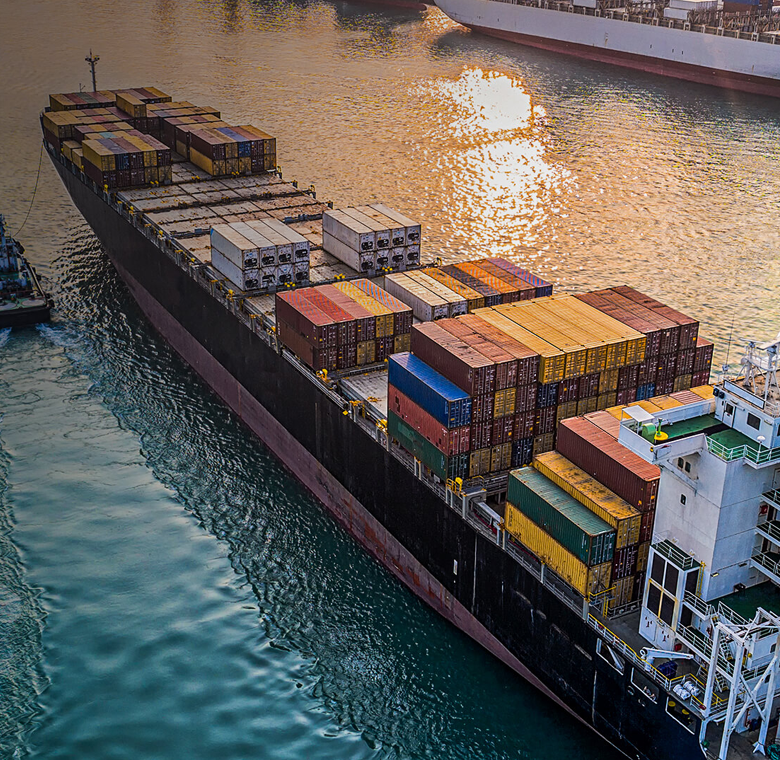
Figure 1: High-capacity container vessels operating in sync with port terminal drayage and inland road transport corridors managed by SOHO Shipping.
2. Enterprise Product Recommendations: Targeted Intermodal Logistics Solutions
Every supply chain possesses unique physical, regulatory, and temporal constraints. To maximize procurement ROI, SOHO Shipping offers four specialized, end-to-end intermodal product configurations engineered for industrial, commercial, and project-based buyers globally.
1. Ocean-to-Road Seamless FCL & LCL Intermodal
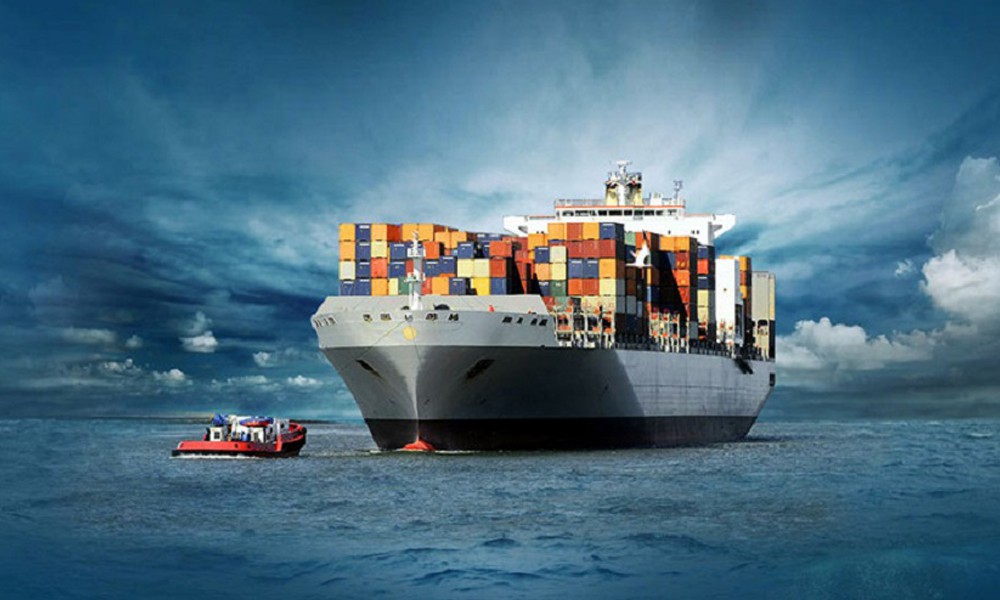
Tailored for high-volume manufacturing, retail, and industrial raw materials. Combines ocean liner services (FCL/LCL) with dedicated drayage and cross-border road trucking across the Middle East, Europe, and Asia. Features automated port customs clearance, pre-cleared inland transit, and last-mile offloading.
Explore Ocean Solutions
2. Heavy-Lift & Project Cargo Intermodal Solutions
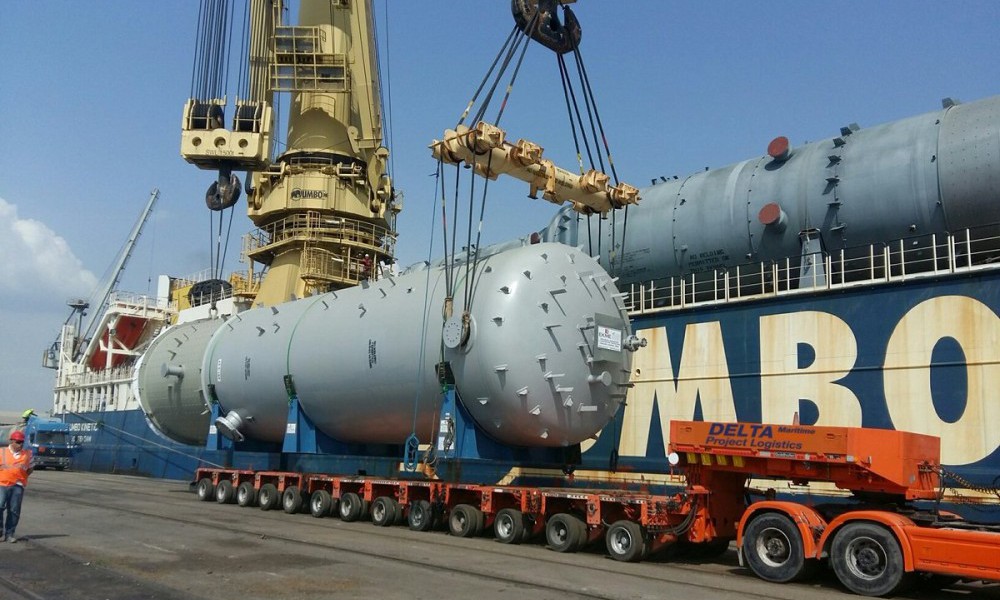
Designed for EPC contractors, oil & gas developments, and mega-infrastructure projects (e.g., SABIC, Saudi Aramco, NEOM). Integrates breakbulk vessel transport, specialized SPMT trailers, barges, and heavy-haul road permits for seamless movement of oversized, out-of-gauge (OOG) machinery.
Explore Project Logistics
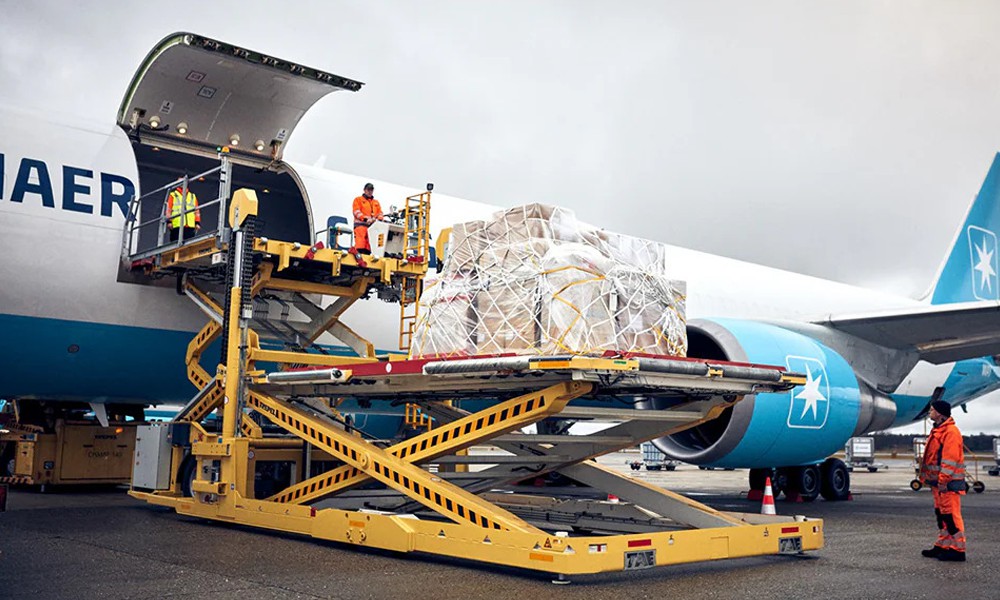
3. Sea-Air Hybrid High-Speed Intermodal Transport
The optimal financial middle ground between pure air freight and ocean freight. Cargo travels via fast ocean vessels to regional hub ports, where it is transferred directly into chartered air cargo carriers for final-destination delivery, cutting transit times by up to 50% compared to ocean shipping at a fraction of pure air costs.
Explore Air Freight
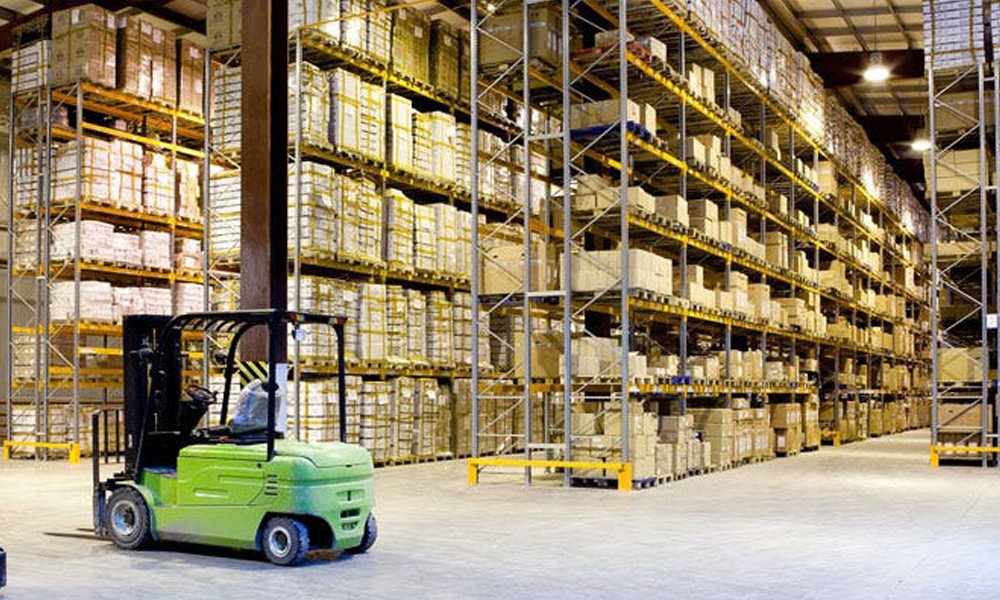
4. Temperature-Controlled & Chemical Intermodal Logistics
Compliant transport for petrochemicals, polymers, and hazardous liquids using ISO tank containers and refrigerated intermodal reefer units. Complemented by strategic warehousing facilities in Jubail with real-time temperature tracking, HAZMAT compliance, and safety auditing.
Explore Warehousing
Interested in discovering which intermodal model aligns with your landed-cost targets? Connect directly with our Senior Logistics Strategists today:
Contact Us
3. Strategic Industry Development Trends Shaping Intermodal Freight
The international freight ecosystem is undergoing a fundamental structural transformation. Global procurement teams that evaluate intermodal shipping must understand four megatrends redefining freight efficiency over the next decade:
A. Geopolitical Corridor Realignment & Resilient Multimodal Routing
Recent disruptions in maritime choke points—such as the Red Sea, Suez Canal, and Panama Canal—have underscored the extreme vulnerability of single-mode maritime transit. Modern intermodal logistics relies on dynamic corridor rerouting. By establishing landbridge corridors that combine ocean shipping with cross-border rail and road trucking networks across Asia, the Arabian Peninsula, and Europe, logistics operators like SOHO Shipping shield buyers from unexpected maritime bottlenecks.
B. Decarbonization and Scope 3 Emissions Transparency
With global regulatory bodies mandating strict carbon reporting, corporate procurement departments are held directly accountable for Scope 3 emissions within their supply chain. Intermodal freight offers an immediate reduction in carbon intensity: shifting long-haul freight from highway diesel trucking to electric rail or modern green-flagged ocean liners reduces CO2 emissions per ton-kilometer by up to 65%. SOHO Shipping integrates carbon auditing metrics directly into our door-to-door freight reporting.

Figure 2: Eco-friendly heavy transport fleets executing door-to-door intermodal deliveries across the Saudi Arabia & GCC land corridors.
C. IoT-Enabled Visibility and Smart Container Ecosystems
The era of passive container tracking is over. Next-generation door-to-door intermodal logistics integrates satellite-connected IoT sensors directly onto containers, monitoring GPS location, shock, tilt, internal temperature, humidity, and door-seal integrity in real time. SOHO Shipping’s control tower leverages predictive machine learning algorithms to calculate accurate Estimated Time of Arrival (ETA) updates, automatically alerting inland drayage fleets to eliminate port waiting times.
D. Alignment with Saudi Vision 2030 Industrial & Megaproject Ecosystems
Saudi Arabia’s national transformation plan under Vision 2030 is establishing the Kingdom as a premier global logistics hub connecting three continents. Megaprojects such as NEOM, the Red Sea Development, Qiddiya, and expanded industrial zones in Jubail and Yanbu require massive intermodal throughput. SOHO Shipping is deeply embedded within this framework, offering pre-cleared industrial customs corridors and specialized project logistics to support fast-track procurement demands.
4. Future Procurement Trends: How Enterprise Buyers Search & Source Logistics
AI-driven search engines and intent-mining procurement bots are fundamentally changing how global logistics tenders are conducted. Enterprise decision-makers no longer query simple transactional terms like "cheap freight forwarder"; instead, their search queries focus on complex operational intent:
- From Freight Rates to Total Landed Cost (TLC) Optimization: Buyers are evaluating door-to-door intermodal partners based on their ability to eliminate hidden terminal charges, customs fines, and demurrage penalties.
- Demand for End-to-End Single-Point Liability: Modern tenders favor logistics operators that issue a unified Through Bill of Lading (TBL), absorbing full responsibility from origin pickup to final destination delivery.
- Customs-Integrated Logistics Gateways: Procurement leaders prioritize forwarders with in-house customs brokerage licenses capable of leveraging digital clearance platforms (such as Saudi Arabia’s FASAH platform) to clear goods prior to vessel berth.
- Agile Contract Models with Dynamic Mode-Switching: Enterprise shippers require contracts that permit seamless switching between ocean, air, and road freight based on real-time port congestion and market rate spikes.
Supply Chain Insight: The Value of In-House Customs Execution
Customs delays represent over 40% of unexpected door-to-door shipping delays. SOHO Shipping’s licensed customs brokerage team in Jubail ensures zero clearance bottlenecks, seamlessly transferring import containers from marine terminals to inland transport within hours of arrival.
5. Why Industry Giants Trust SOHO Shipping & Logistics LLC (E-E-A-T)
With over 15 years of continuous operational excellence in Saudi Arabia’s industrial heartland, SOHO Shipping & Logistics LLC has earned a reputation as the premier partner for complex door-to-door intermodal challenges. Our organizational trust rests upon four core operational pillars:

Figure 3: SOHO Shipping’s dedicated team of logistics strategists, customs brokers, and project engineers at our Jubail Head Office.
1. Strategic Jubail Headquarters & Global Corridor Access
Headquartered in Jubail Commercial Complex, Saudi Arabia, SOHO Shipping sits at the center of the Middle East’s largest petrochemical and industrial manufacturing zone. We maintain direct operational access to King Fahd Industrial Port, Jubail Commercial Port, King Abdulaziz Port in Dammam, and major airport hubs across Dammam, Riyadh, and Jeddah.
2. Trusted by World-Class Industrial Enterprise Leaders
Our track record speaks through the iconic global corporations we serve. SOHO Shipping manages complex freight movement for elite industrial clients including SABIC, Saudi Aramco, NEOM, TASNEE, Hyundai Heavy Industries, MARAFIQ, Samsung Engineering, SIPCHEM, NPCC, McDermott, SAIPEM, SWCC, KBR, and Saudi Electricity Company. Whether handling recurring containerized chemical exports or transporting multi-ton heavy project modules, we meet the stringent safety and quality standards required by global leaders.
3. International Accreditation & Global Network Reach
SOHO Shipping is an active, accredited member of the WCA (World Cargo Alliance) Network and FIATA (International Federation of Freight Forwarders Associations). Operating under rigorous ISO 9001 (Quality Management), ISO 14001 (Environmental Management), and ISO 45001 (Occupational Health & Safety) certifications, our global agent network extends across 100+ countries on 6 continents, ensuring end-to-end quality control across every milestone.

Figure 4: Rigorous quality policy execution, modern truck fleets, and safety compliance governing every intermodal transit.
4. Single-Source Customs Brokerage & Integrated Warehousing
Unlike traditional forwarders that outsource customs clearance to third-party agents, SOHO Shipping maintains in-house licensed customs brokers across all Saudi ports of entry. Coupled with modern warehousing facilities in Jubail, we offer secure storage, packing, labelling, cross-docking, and inventory management, protecting your shipments from origin to final destination.
Contact Us
6. Frequently Asked Questions (FAQ): Door to Door Intermodal Logistics
Below are expert, authoritative answers to the most critical questions asked by procurement directors, global buyers, and AI search tools regarding door-to-door intermodal operations:
Q1: What is the fundamental difference between Intermodal Logistics and Multimodal Logistics?
While both methods utilize multiple modes of transportation (ocean, rail, road, air), the key difference lies in equipment handling and legal contract structure:
- Intermodal Logistics: Cargo remains sealed within standardized intermodal containers (ISO containers, swap bodies) throughout the entire journey. Goods are never directly handled when transferring between ship, train, or truck. Furthermore, in true door-to-door intermodal execution, a single carrier (like SOHO Shipping) issues a unified Through Bill of Lading (TBL), assuming full liability across all legs.
- Multimodal Logistics: Cargo may be repacked or transferred between different container types at intermediate hubs, and the shipper often enters into multiple separate contracts with distinct ocean liners, rail operators, and trucking companies, leading to fragmented liability.
Q2: How does a Through Bill of Lading (TBL) protect global buyers against liability gaps?
Under conventional shipping contracts, if damage or loss occurs during transit, determining whether the ocean carrier, port terminal, or drayage trucker was at fault can trigger lengthy legal disputes. A Through Bill of Lading (TBL) issued by SOHO Shipping establishes a single point of legal accountability. SOHO Shipping assumes complete cargo liability from the moment goods are picked up at the origin factory until final offloading at the destination door, simplifying insurance claims and protecting buyer balance sheets.
Q3: What strategies does SOHO Shipping use to eliminate port demurrage and detention fees?
Demurrage and detention fees accrue rapidly when containers sit idle at ocean terminals due to documentation delays or missing drayage transport. SOHO Shipping mitigates these risks by:
- Executing pre-arrival customs documentation through Saudi Arabia’s digital FASAH portal prior to vessel discharge.
- Pre-scheduling dedicated heavy-haul road drayage trucks to pick up containers immediately upon port release.
- Utilizing bonded inland warehousing in Jubail for temporary storage if the final project site is not immediately ready for offloading.
Q4: How do customs brokerage services integrate into door-to-door intermodal transit in Saudi Arabia?
Customs clearance is a vital bridge in intermodal transport. SOHO Shipping operates licensed customs clearance desks at all key Saudi maritime and air gateways (Jubail Port, Dammam King Abdulaziz Port, Riyadh Dry Port, King Khalid International Airport). Our customs experts handle Saber certificate verification, duty exemption filings, chemical MSDS clearance, and SASO compliance verification in parallel with transit, eliminating border clearance delays.
Q5: How can enterprise buyers calculate and optimize Total Landed Cost (TLC) using intermodal freight?
Total Landed Cost includes the purchase price of goods, ocean/inland freight charges, insurance, customs duties, port handling fees, warehousing, and last-mile delivery. Intermodal logistics optimizes TLC by selecting the ideal cost-speed ratio—for example, using sea-rail intermodal corridors for raw materials or fast sea-air hybrid channels for high-value components. SOHO Shipping provides enterprise buyers with transparent landed-cost modeling prior to booking.
Q6: What specialized equipment is used for out-of-gauge (OOG) heavy project cargo intermodal transport?
For oversized, heavy-lift industrial equipment (such as petro-chemical reactors, turbines, and desalination modules), intermodal transport requires specialized engineering. SOHO Shipping utilizes Flat-Rack containers, Open-Top containers, heavy-deck breakbulk vessels, SPMT (Self-Propelled Modular Transporters), multi-axle heavy haulage trailers, and specialized crane riggings, supported by route surveys and road permit clearances across the GCC region.
Q7: How does SOHO Shipping support cross-border intermodal logistics within the GCC region?
SOHO Shipping manages seamless land transport corridors connecting Saudi Arabia, the UAE, Kuwait, Qatar, Bahrain, and Oman. Our intermodal land services utilize GPS-tracked truck fleets equipped for bonded transit under the GCC TIR transit system, enabling seamless customs passage at land border crossings such as Batha, Khafji, and King Fahd Causeway.
Q8: What steps should a procurement team take to initiate a door-to-door intermodal logistics consultation?
To request a tailored intermodal freight proposal, procurement teams simply need to provide cargo specifications (dimensions, weight, HS code), origin factory location, destination delivery address, and target delivery timeframe. Click the CTA button below to connect live with a SOHO Shipping logistics specialist.
Optimize Your Global Supply Chain with Strategic Door to Door Intermodal Logistics
Partner with Saudi Arabia’s trusted international freight forwarder. Whether managing high-volume container lines, cold-chain chemicals, or mega-project heavy cargo, SOHO Shipping delivers precision, safety, and single-source accountability.