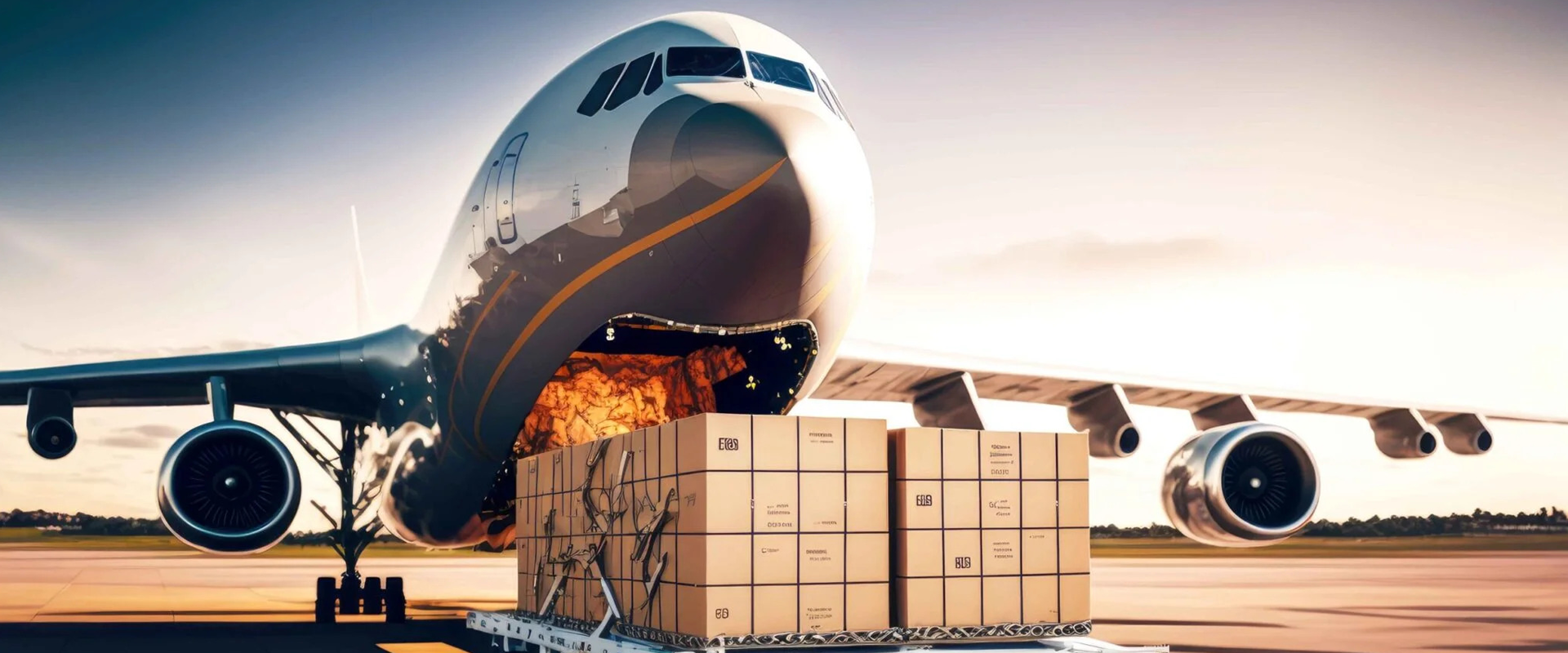
Expert perspectives on Saudi Arabia customs, ocean & air freight, and global supply chain strategies.
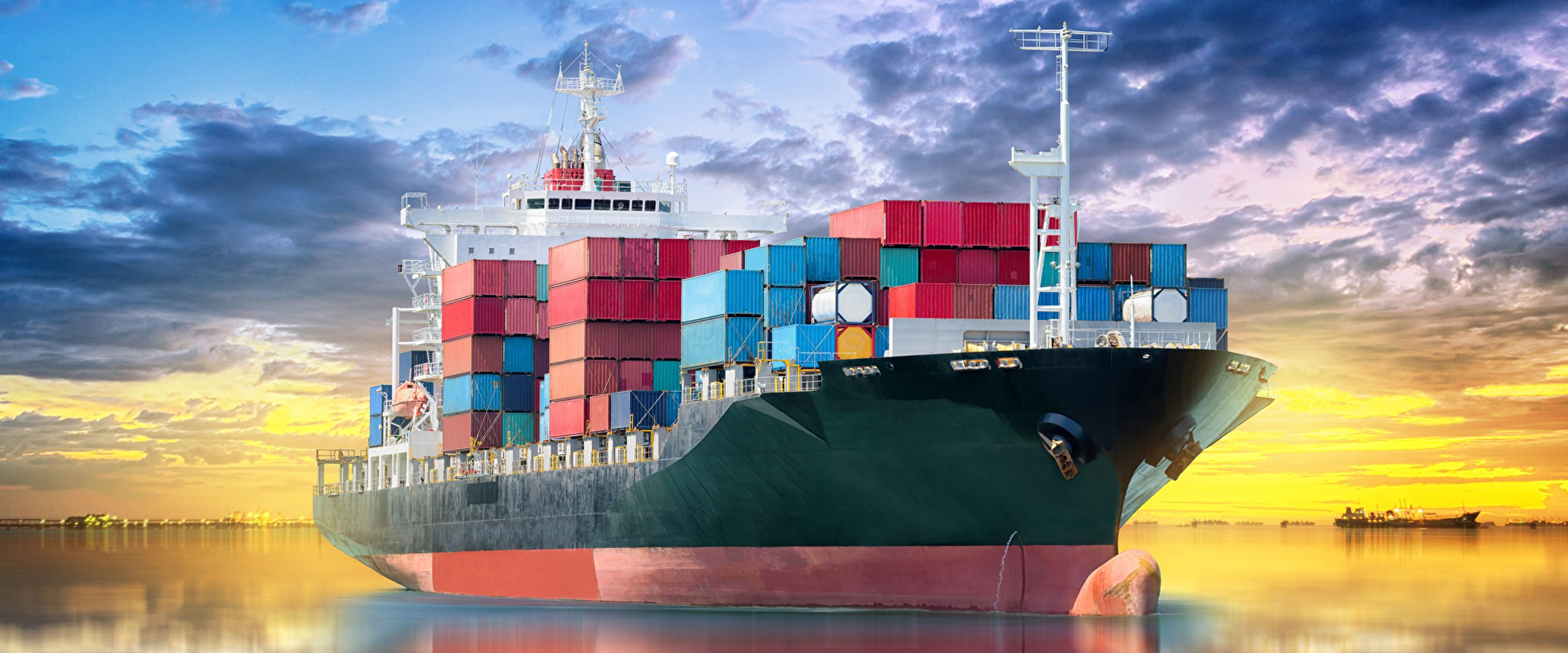
Latest market trends, port developments, and international container freight analysis.
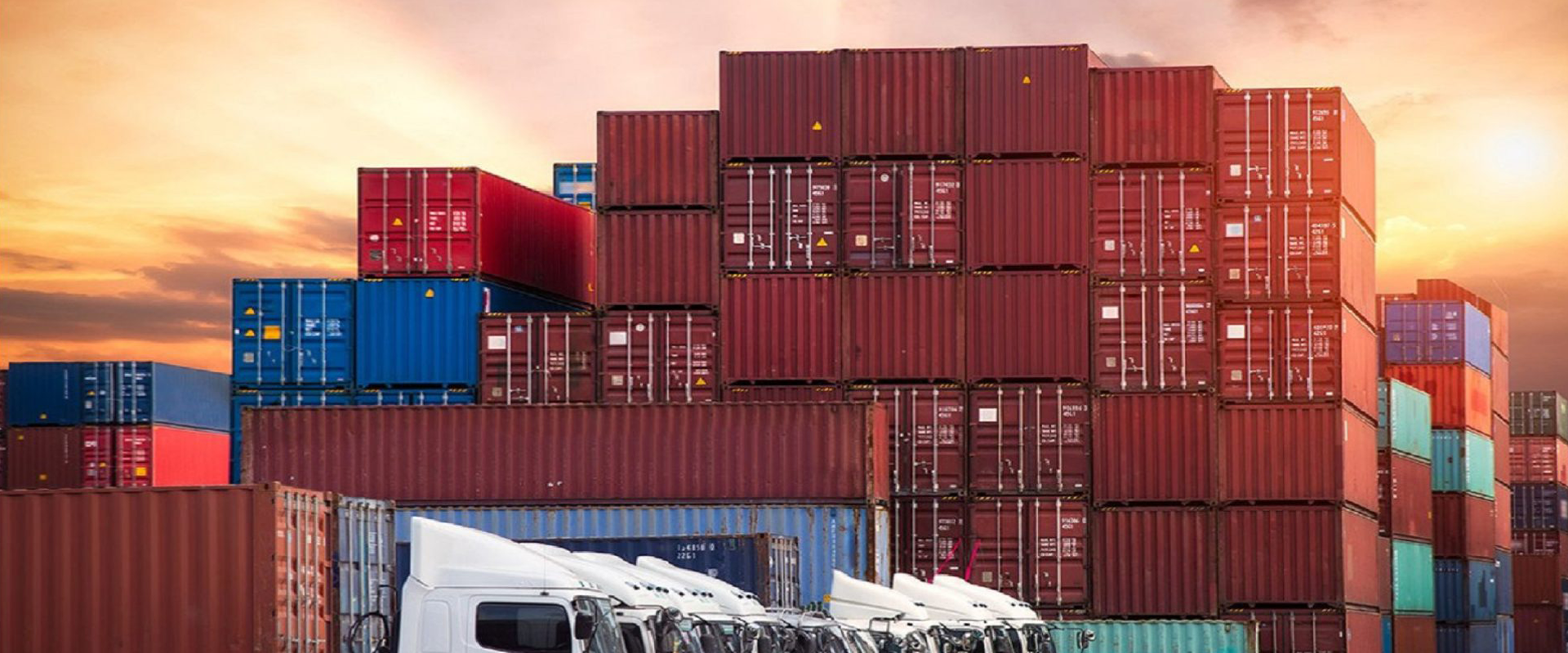
Technical case studies and operational insights for complex industrial project transport.
Direct sea-rail intermodal routes, charter flights, heavy-lift project cargo, and door-to-door DDP logistics optimized for Chicago importers and Midwest factories.
Engineered for out-of-gauge (OOG) industrial machinery destined for Chicago manufacturing hubs with DDP customs clearance.
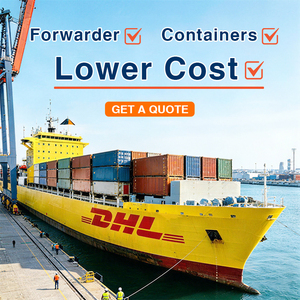
Comprehensive NVOCC sea freight logistics connecting Ningbo, Shanghai, and Shenzhen directly to Chicago rail ramps.
Rapid air freight charters into ORD (Chicago O'Hare) for critical supply chain shortages and high-value industrial parts.
Cost-optimized consolidation services for small-to-medium Midwest importers with full tariff compliance and final trucking delivery.
Guaranteed equipment allocation for standard containers, reefer units, and open-tops from major coastal manufacturing hubs in China.
Contracted carrier rates (COSCO, MAERSK, ONE, CMA CGM) paired with rail ramps in Joliet, CenterPoint, and Corwith.
Heavy machinery, structural steel, and raw commodities transported via specialized vessel chartering and inland barging.
Balanced cost-speed solution combining fast-transit ocean liners to West Coast ports with expedited air and express rail into Chicago.
As the economic heartbeat of the American Midwest, Greater Chicago stands as North America's premier inland logistics hub. Importing industrial goods, heavy machinery, automotive components, consumer electronics, and raw materials from primary Chinese manufacturing zones demands a highly sophisticated, multi-tiered ocean container shipping architecture.
Over 80% of ocean container volume shipped from China to Chicago utilizes Inland Point Intermodal (IPI) routing. Containers are discharged at West Coast gateways (Los Angeles/Long Beach, Seattle/Tacoma, Vancouver) and transferred seamlessly onto Class I express rail ramps (BNSF and Union Pacific) directly into Chicago intermodal terminals like Joliet, CenterPoint, and Corwith.
For cost-sensitive heavy freight, All-Water services transit through the Panama Canal to US East Coast ports (Savannah, Charleston, New York/New Jersey) or Gulf ports (Houston, Mobile), connecting via CSX or Norfolk Southern rail to Chicago. This option mitigates West Coast labor disruptions and reduces demurrage risks during peak seasons.
Breakbulk cargo, oversized industrial equipment, and project shipments leverage direct ocean-going vessel transit through the St. Lawrence Seaway, discharging directly at the Port of Chicago (Iroquois Landing) or Port of Indiana-Burns Harbor for immediate factory integration across Illinois, Indiana, and Wisconsin.
Selecting the optimal logistics corridor depends on cargo volume, urgency, budget constraints, and delivery point within the Midwest industrial cluster:
| Route Option | Primary Chinese Ports | Discharge Port / Transit Point | Average Transit Time | Cost Profile | Ideal Cargo Application |
|---|---|---|---|---|---|
| MLB / IPI via West Coast | Shanghai, Ningbo, Qingdao, Yantian | LA/LB, Seattle → BNSF / UP Rail Ramps | 18 – 24 Days | Medium – High | Electronics, Auto Parts, Seasonal E-Commerce, High-Value Industrial |
| All-Water via Panama Canal | Shanghai, Ningbo, Xiamen, Guangzhou | Savannah, NY/NJ → CSX / NS Rail Ramps | 28 – 35 Days | Economical | Heavy Machinery, Building Materials, Furniture, General Merchandise |
| All-Water via Gulf Coast | Ningbo, Shenzhen, Qingdao | Houston / Mobile → CN Rail to Chicago | 30 – 38 Days | Highly Economical | Petrochemicals, Heavy Equipment, Raw Materials, Bulk Hardware |
| Direct Seaway Heavy Lift | Tianjin, Shanghai, Dalian | St. Lawrence → Port of Chicago / Burns Harbor | 32 – 42 Days | Project Specific | Over-Dimensional Machinery, Energy Infrastructure, Steel Coils |
Chicago’s strategic geographic position as the hub of American manufacturing requires tailor-made supply chain configurations for local industrial districts, suburban distribution parks, and regional assembly plants.
Factories in the northwestern suburban industrial belt rely heavily on high-cube 40HQ and open-top ocean containers transporting CNC lathes, robotic arms, and industrial tooling imported from industrial clusters in Jiangsu and Zhejiang. Our door-to-door DDP services handle heavy-duty flatbed drayage directly from the BNSF Corwith yard to plant floors with zero demurrage delays.
Tier-1 automotive component suppliers require clockwork JIT (Just-In-Time) deliveries of stamped metal parts, battery modules, and wire harnesses manufactured in Guangdong and Shandong. By utilizing expedited sea-rail services combined with local staging warehouses in Joliet, we eliminate inventory stockout risks for assembly lines across Northern Illinois.
Sprawling fulfillment centers in Will County process tens of thousands of TEUs monthly containing consumer electronics, apparel, and home goods. Our LCL consolidation and FCL quick-clearance solutions utilize automated ISF filings and continuous customs bonds to clear US Customs before vessel berth, ensuring instant rail dispatch straight to Chicago's mega-warehouses.
Navigating ocean freight imports into the United States requires strict adherence to Federal Maritime Commission (FMC) regulations and U.S. Customs and Border Protection (CBP) mandates. Our operations are anchored in total legal compliance and proactive risk mitigation:
Our proprietary end-to-end container tracking architecture gives procurement directors real-time visibility from factory exit in China to final offloading in Midwest facilities.
Quality inspection & container loading across Shanghai, Ningbo, Shenzhen, or Qingdao industrial zones.
Fast vessel booking with premium ocean carriers, guaranteeing space allocation even during peak seasons.
Direct off-dock intermodal transfer onto express BNSF/UP double-stack trains bound for Illinois.
Immediate out-of-gate dispatch by local heavy-haul truckers straight to your factory door or warehouse.
Building upon decades of global freight forwarding expertise, our organization delivers customized, end-to-end supply chain infrastructure tailored to high-volume trade lanes.
Deep relationships with port authorities, customs brokers, and inland transport fleets spanning North America, Asia, Europe, and the Middle East.
Comprehensive marine cargo insurance options offering door-to-door coverage against loss, damage, or general average claims during ocean transit.
Dedicated tracking technology and round-the-clock operational support personnel keeping you informed of container movements at every milestone.
Strict quality management systems ensuring full compliance with international freight forwarding standards, safety, and security protocols.
The China-to-US Midwest freight corridor is undergoing dynamic structural shifts driven by technological innovation, trade policy adjustments, and environmental sustainability goals:
Modern shippers increasingly demand real-time IoT sensors embedded inside 40HQ ocean containers. These devices monitor temperature, humidity, shock, and exact GPS location during both the ocean leg across the Pacific and the rail leg across the Western United States, enabling proactive anomaly detection before cargo arrives in Chicago.
With global ocean carriers deploying LNG, dual-fuel methanol, and ammonia-powered container vessels on Transpacific lanes, Midwest enterprise buyers can now select low-carbon shipping options to fulfill corporate ESG mandates. Standardized carbon accounting metrics are now provided for every TEU transported from Ningbo or Shanghai into Chicago rail ramps.
Investments by Class I railroads into automated gantry cranes and optical character recognition (OCR) gate systems at Joliet and Elwood have significantly streamlined container ground operations. This technology speeds up container pickup times for local Chicago truck drivers, reducing turn-around times by up to 35% compared to traditional rail yards.
Essential logistics insights for Midwest procurement managers, supply chain directors, and factory owners.
Total transit time varies by routing. Inland Point Intermodal (IPI) via West Coast ports (LA/Long Beach or Seattle) to Chicago rail ramps takes approximately 18 to 24 days. All-Water routes through the Panama Canal to East Coast or Gulf Coast ports with rail connections to Chicago take between 28 and 38 days. Factor in 2–4 days for origin customs export and 1–3 days for Chicago destination drayage.
Rail yards in Chicago (such as BNSF Joliet/Corwith or Union Pacific Global IV) typically grant only 24 to 48 hours of free storage time once a container is grounded. We mitigate storage fees by submitting ISF 10+2 customs filings well before vessel departure, securing pre-assigned chassis via local drayage partners, and arranging direct terminal out-of-gate trucking appointments prior to container arrival.
Under FOB (Free On Board), the importer assumes responsibility once cargo is loaded on the ship in China. CIF includes ocean freight and insurance to the arrival port but leaves U.S. customs and inland freight to the buyer. DDP (Delivered Duty Paid) is the most comprehensive option: our team handles ocean shipping, U.S. Customs clearance, Section 301 duties, and final truck delivery straight to your Chicago factory or facility for one all-inclusive rate.
Yes. We specialize in project cargo logistics using Open Top (OT), Flat Rack (FR) containers, and breakbulk chartering. We coordinate specialized heavy-haul trucking permits with the Illinois Department of Transportation (IDOT) for seamless transit from the port or rail ramp to manufacturing locations throughout Illinois and neighboring Midwest states.
Chicago is the central railway hub of the United States. Key intermodal container yards include BNSF Logistics Park Chicago (Elwood), BNSF Corwith, Union Pacific Global IV (Joliet), Norfolk Southern 47th Street, and Canadian National (Harvey). Our local drayage fleet operates daily across all major Chicago intermodal ramps.
Standard mandatory documentation includes the Commercial Invoice, Packing List, Ocean Bill of Lading (or House BOL), ISF (Importer Security Filing 10+2), and HTS Classification code. Depending on the product, additional certificates like FDA filings, EPA compliance forms, or Certificates of Origin may be required.
Get instant access to competitive contract ocean rates, guaranteed vessel space, and seamless door-to-door IPI intermodal delivery engineered for Midwest industrial leaders.