Expert perspectives on Saudi Arabia customs, ocean & air freight, and global supply chain strategies.
Latest market trends, port developments, and international container freight analysis.
Technical case studies and operational insights for complex industrial project transport.
Explore our full suite of Trans-Pacific logistics services engineered specifically for the Canadian commercial framework, offering direct liner access, customs pre-clearance, and seamless intermodal connectivity.
Tailored chartering solutions for out-of-gauge (OOG) machinery and urgent project cargo connecting major Chinese industrial hubs with Vancouver (YVR) and Toronto (YYZ).
Full DDP door-to-door forwarding handling tariff clearance, duty prepayment, and last-mile trucking across major Canadian economic centers.
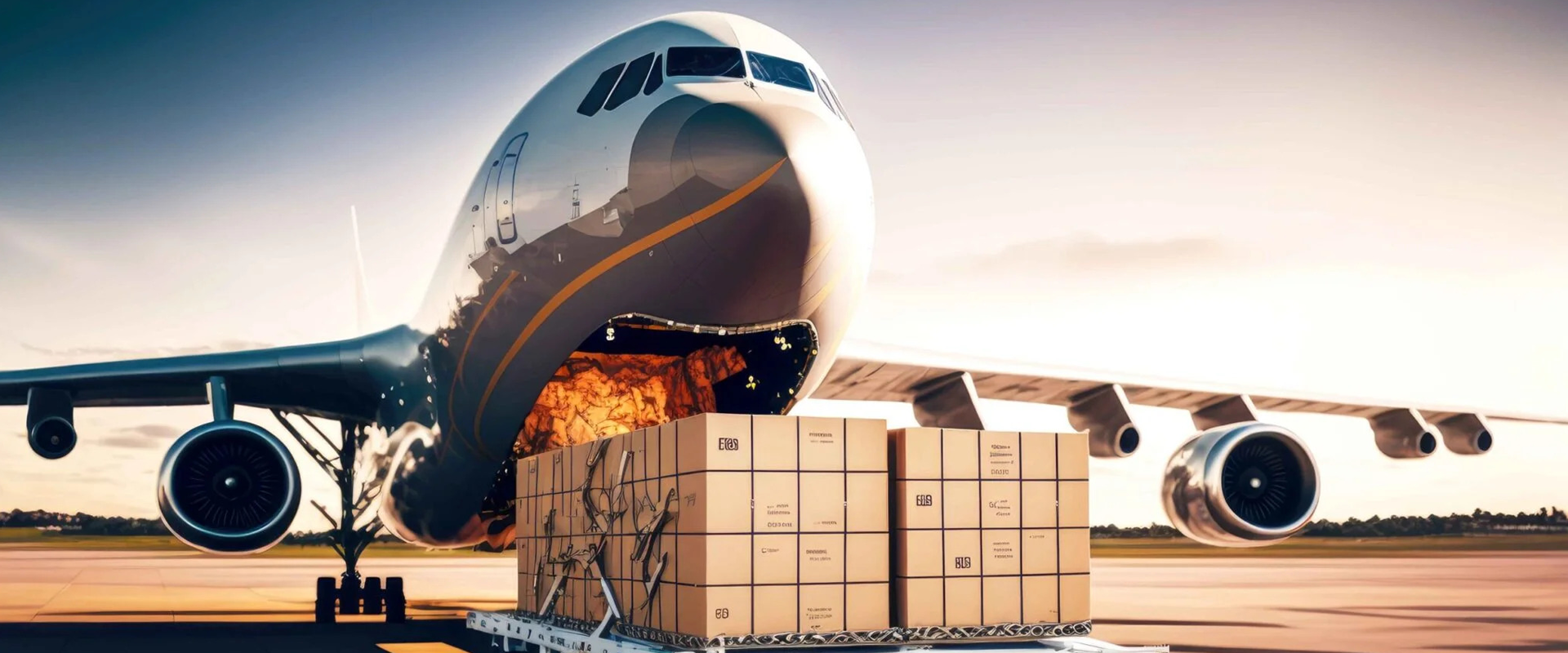
Dedicated freighter capacity and guaranteed belly space with customs EDI pre-clearance for rapid electronics and medical supply delivery.
Flexible less-than-container-load (LCL) consolidation services with bi-weekly departures from Ningbo, Shanghai, and Shenzhen to Prince Rupert and Montreal.
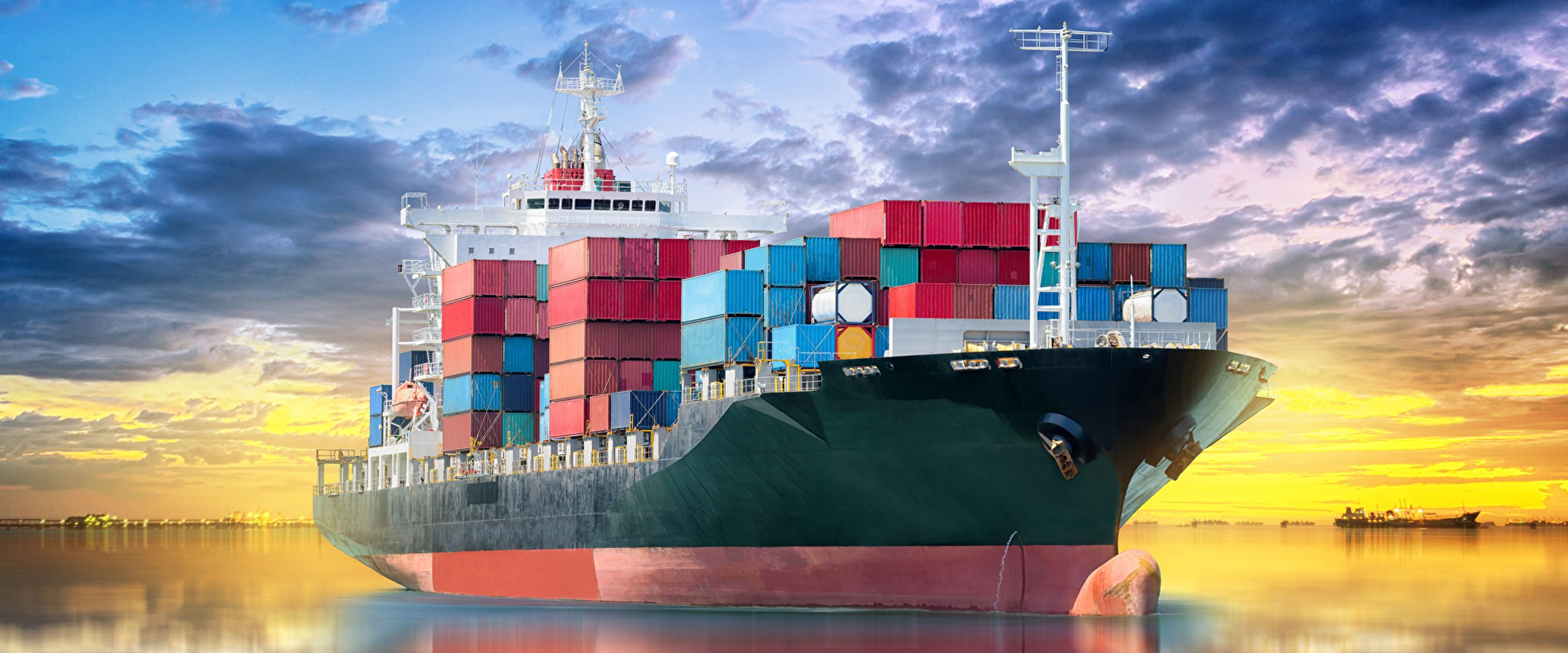
Direct ocean shipping carrier allocations for standard, reefer, and high-cube containers with reliable transit times of 14-22 days to Pacific ports.
Full vessel agency, bunkering coordination, stevedoring, and port logistics management across all major Chinese loading terminals.
Specialized breakbulk vessel chartering, RORO service, and heavy-lift handling for mining equipment, steel infrastructure, and industrial plants.
Optimized multimodal shipping routes combining ocean speed with bonded domestic trucking to Amazon FBA centers and commercial warehouses in Canada.
The trade corridor connecting major Chinese maritime load ports—such as Shanghai, Ningbo-Zhoushan, Shenzhen (Yantian/Shekou), Qingdao, and Guangzhou (Nansha)—with Canadian gateways represents one of the world's most critical supply chain arteries. As Canadian enterprises face shifting regulatory landscapes, the introduction of the CBSA Assessment and Revenue Management (CARM) portal, and heightened demand for supply chain resilience, partnering with a licensed, experienced China port agency and freight forwarding provider is no longer just a tactical utility—it is a core strategic asset.
Choosing the optimal port of entry in Canada directly dictates total landed costs, inland transit speeds, and supply chain reliability. Modern maritime shipping between China and Canada predominantly leverages two major Pacific corridors, alongside Eastern Canadian all-water routes via the Panama Canal:
Offering the shortest sailing distance from East Asia (11 to 14 days direct transit to Prince Rupert), Western Canadian ports serve as the primary conduit for intermodal rail connections via CN and CPKC networks into Calgary, Edmonton, Winnipeg, and Toronto.
Ideal for heavy industrial equipment, automotive components, and consumer goods destined for Quebec and Ontario. Direct feeder vessels and all-water services circumvent Midwestern rail bottlenecks during peak winter shipping seasons.
For Canadian buyers, purchasing under Delivered Duty Paid (DDP) terms from Chinese manufacturers requires absolute synchronization between the origin port agency and Canadian customs brokers. Under Canadian tax law, importers of record must account for Goods and Services Tax (GST/HST), provincial taxes (PST), and potential anti-dumping or countervailing duties enforced by the Canada Border Services Agency (CBSA).
Our integrated freight management system bridges the operational gap between Chinese manufacturing plants and Canadian border control. Through direct Electronic Data Interchange (EDI) integration with CBSA's CARM system, we ensure that commercial invoices, HS code classifications, and certificates of origin (such as Form A or APTA compliance documents) are audited 72 hours prior to vessel berthing at Canadian terminals. This proactive auditing completely eliminates costly demurrage charges, port storage fees, and customs hold delays.
From heavy oil sands operations in Alberta to retail distribution centers in Southern Ontario, our port agency and freight forwarding operations are customized to meet regional sector requirements.
Transportation of heavy modular units, pressure vessels, and drilling rigs from specialized berths in Shanghai or Tianjin directly to Edmonton and Fort McMurray via specialized heavy-haul trucking and rail flatcars.
Just-in-Time (JIT) air charter and express FCL shipping for battery manufacturing modules, stamped auto parts, and precision electronics to assembly lines in Hamilton, Windsor, and Greater Montreal.
Consolidated LCL and direct DDP express forwarding for high-volume retail goods into Amazon FBA centers (YVR3, YYZ4, YUL2) with automated Canadian warehouse sorting and label compliance.
To maintain a competitive edge, Canadian procurement managers and supply chain directors must adapt to evolving structural trends within the Pacific maritime trade network. Our research highlights three macro trends transforming trans-pacific shipping dynamics:
The International Maritime Organization (IMO) 2030 regulations and Canadian green port initiatives are accelerating the deployment of dual-fuel LNG and methanol-powered container vessels. Our agency partners with green-certified ocean carriers, enabling Canadian importers to measure and reduce Scope 3 carbon emissions per TEU shipped.
With Canada's full implementation of CARM digital accounting, manual paper customs releases are obsolete. Importers requiring DDP or DPU delivery must align with forwarders offering automated API integrations for duty pre-allocation, ruling requests, and bonded transshipment clearance.
Recent labor disruptions and weather-induced rail shutdowns have proven the vulnerability of single-port reliance. Forward-thinking Canadian buyers utilize dual-gateway routing strategies—splitting cargo volume between Prince Rupert (for speed to Midwest Canada) and Vancouver or Halifax (for buffer safety).

We combine deep Chinese port husbandry experience with robust North American logistics infrastructure, providing unprecedented transparency and execution speed.
| Operational Metrics | Our China-Canada Port Agency | Standard Freight Forwarders | Traditional Direct Suppliers |
|---|---|---|---|
| Port Husbandry & Presence | Direct agency presence at all major China ports (Shanghai, Ningbo, Shenzhen, Qingdao) | Sub-contracted third-party agents | No direct port presence; factory gate end |
| Canadian CBSA CARM Compliance | In-house licensed customs brokers with automated EDI pre-filing | Outsourced broker referral | Excludes customs clearance responsibilities |
| Heavy Project Cargo Capabilities | Chartering, RORO, breakbulk heavy-lift engineers on site | Standard container shipping only | Limited to standard container packing |
| DDP Duty & Tax Management | Full transparent landed-cost billing (GST/PST included) | Hidden destination fees & surcharge adjustments | DDP terms often miscalculated or rejected |
| Container Space Guarantee | Direct carrier service contracts (COSCO, MAERSK, ONE, CMA CGM) | Spot market dependent; vulnerable to rollings | Subject to seasonal freight surges |
Addressing the key operational, legal, and financial questions asked by procurement officers purchasing goods from Chinese suppliers for delivery into Canada.
Under DDP (Delivered Duty Paid) Incoterms, our China port agency and forwarding network takes complete responsibility for export customs in China, ocean/air transport, Canadian customs pre-clearance via the CBSA CARM system, payment of all Canadian taxes (GST/HST/PST), and final door delivery to your designated site or warehouse.
Direct ocean transit from Shanghai or Ningbo to Prince Rupert takes approximately 11 to 14 days, while Vancouver takes 13 to 16 days. Transit to Eastern Canadian ports (Montreal/Halifax) via all-water routes takes 28 to 35 days. Inland rail transport adds 4 to 7 days for destination cities such as Toronto or Montreal.
We mitigate port storage fees by initiating Electronic Data Interchange (EDI) document submission 72 hours prior to vessel arrival. Furthermore, our contracted drayage truck fleets possess pre-booked terminal gate slots, guaranteeing immediate container pull from port yards upon release.
Yes. We specialize in project cargo logistics, providing mobile crane operations, heavy-lift ship chartering, flat-rack container securing, and specialized road transport permits required for heavy machinery entering Western Canada's industrial regions.
Primary required documents include the Canada Customs Invoice (CCI) or commercial invoice with detailed HS Code breakdowns, Packing List, Ocean Bill of Lading (B/L) or Air Waybill (AWB), Certificate of Origin, and your company's CBSA Business Number (BN) linked to the CARM Client Portal.
A China-based port agency controls logistics at the point of origin. We physically inspect container loading, supervise stevedoring, manage factory dispatch, verify export customs filings, and secure tier-1 carrier vessel allocations directly with ship owners, preventing delays before cargo ever leaves China.

Our organization operates under strict ISO 9001:2015 quality management procedures, maintaining active memberships in international freight alliances including WCA, FIATA, and FMC licensing. Whether you are importing high-value consumer goods, industrial raw materials, or complex machinery, our dedicated Trans-Pacific desk delivers unparalleled reliability.