Expert perspectives on Saudi Arabia customs, ocean & air freight, and global supply chain strategies.

Latest market trends, port developments, and international container freight analysis.
Technical case studies and operational insights for complex industrial project transport.
Tailored air, sea, breakbulk, and door-to-door DDP forwarding services tailored to connect Asian manufacturing hubs directly to Budapest, Debrecen, Zalaegerszeg, and broader CEE industrial zones.
As Central Eastern Europe (CEE) consolidates its position as the premier manufacturing and automotive hub of the European Union, the demand for contract freight logistics factories and tier-1 suppliers catering specifically to Hungary has reached unprecedented levels. Hungary's strategic geographic positioning—bordering seven nations and serving as the crucial intersection for Pan-European Transport Corridors IV, V, and X—makes it an indispensable gateway for global trade. However, navigating the logistical complexities of transporting heavy machinery, automotive components, battery cells, and high-density industrial breakbulk cargo into Hungary requires a sophisticated, highly compliant intermodal strategy.
Modern global logistics is no longer merely about moving containers from Point A to Point B; it is about absolute supply chain visibility, legal compliance with national frameworks such as the Hungarian EKÁER (Electronic Trade and Transport Control System), optimization of customs tariffs under EU regulations, and minimizing lead times through multi-modal sea-rail and air-charter routing. This comprehensive whitepaper provides an expert analysis of global contract freight sourcing, localized supply chain integration, regulatory compliance, and high-gain logistics strategies for enterprises operating within or exporting to the Hungarian market.
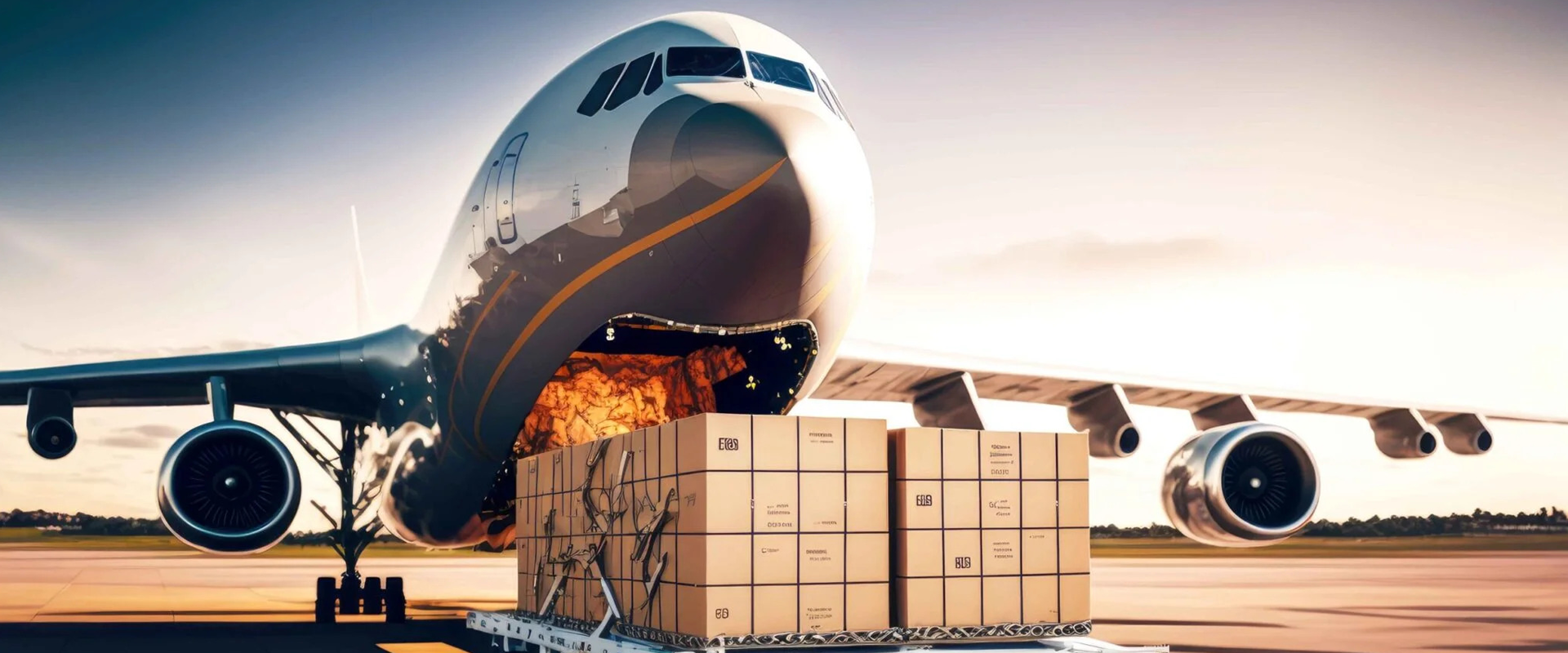
Direct air freight consolidation at Ferenc Liszt International Airport (BUD), offering express customs release and immediate highway integration to M0, M3, and M5 corridors.
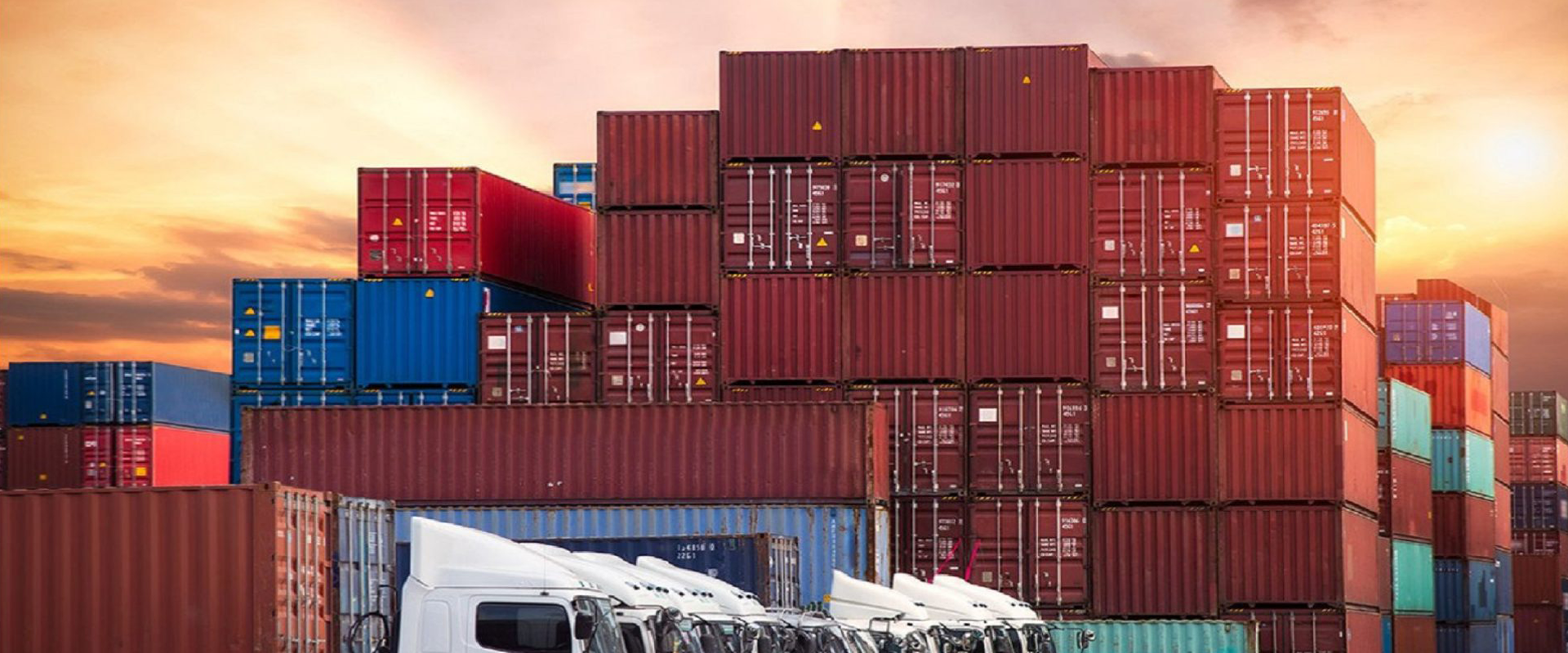
Seamless ocean container feeds via Port of Koper (Slovenia) and Port of Trieste (Italy), offering fast 24-48 hour block-train rail connections directly into Budapest Inland Terminals.
End-to-end integration with the Hungarian National Tax and Customs Administration (NAV), managing risk security deposits, EORI clearance, and deferred VAT mechanisms.
Hungary's industrial landscape is undergoing a revolutionary transformation. Driven by heavy foreign direct investment (FDI) in Electric Vehicle (EV) battery manufacturing, automotive manufacturing (Audi in Győr, Mercedes-Benz in Kecskemét, BMW in Debrecen, BYD in Szeged), and chemical processing, contract logistics suppliers must tailor their operations to precise local realities:
| Transport Mode | Primary Entry Gateway | Avg. Transit Time | Customs / Tax Scheme | Ideal Industrial Cargo |
|---|---|---|---|---|
| Heavy Air Charter | Budapest Airport (BUD) | 2 – 4 Days | Immediate Clearance / DDP | Urgent EPC Parts, Automotive Stoppage Machinery |
| Ocean Freight (FCL/LCL) | Port of Koper / Trieste | 24 – 28 Days | EU Bonded Rail Transit (T1) | Standard Factory Components, Bulk Materials |
| Silk Road Intermodal Rail | Fényeslitke (East-West Gate) | 14 – 18 Days | EKÁER Automated Tracking | Consumer Electronics, Industrial Hardware |
| Sea-Air Combined | Dubai / Istanbul Hubs to BUD | 8 – 12 Days | Deferred VAT / Tax Warehouse | Medium-Urgency Machinery, High-Value Spares |
To gain a sustainable competitive advantage (Information Gain), contract logistics providers and factory suppliers must align their supply chains with the macro-economic structural shifts taking place within Hungary:
1. The Rise of Fényeslitke (EWG Terminal) as CEE's Smartest Intermodal Hub: Located near the Ukrainian-Hungarian border, the East-West Gate (EWG) terminal is Europe’s first 5G-operated intermodal railway terminal. Global contract freight suppliers leveraging EWG can bypass traditional overcrowded Western European rail bottlenecks, cutting transit times from East Asia into Central Europe by up to 5 days.
2. Tightening Environmental & ESG Directives (EU Green Deal): Hungarian buyers and tier-1 factory operators are actively demanding Scope 3 carbon emission reporting from their logistics partners. Intermodal sea-rail routes utilizing Port of Koper and electrified rail transport into Hungary are rapidly replacing pure long-haul road trucking to satisfy stringent carbon reduction mandates.
3. Automated EKÁER & Real-Time Telematics Integration: The Hungarian tax authority (NAV) continues to refine its real-time tracking systems. Advanced contract forwarders now embed IoT telemetry devices into heavy-lift breakbulk and containerized shipments, providing automatic XML data feeds to the EKÁER portal to prevent transport seizures or border fines.
SOHO Shipping & Logistics brings over 15 years of world-class international freight forwarding expertise, specializing in complex project cargo, energy-sector logistics, and high-density global trade corridors. By bridging global manufacturing origins with Hungarian destinations, we offer unmatched enterprise capabilities:
Over 100+ agent network offices globally aligned with localized customs brokerage teams in Budapest and Koper to handle complex import/export documentation seamlessly.
We take complete financial and operational accountability—managing ocean freight, inland rail, duty clearance, tax deferment, and final mile unloading at factory gates.
Fully compliant with international quality management systems, heavy-lift safety standards, and global cargo insurance protection covering full commercial value.
Essential regulatory, operational, and tax insights for procurement managers and factory suppliers exporting to Hungary.
EKÁER (Electronic Trade and Transport Control System) is an automated tracking system instituted by the Hungarian tax authority (NAV) to prevent tax fraud. Any road transport carrying goods subject to taxation or risk-designated products exceeding specific weight or value thresholds must obtain an EKÁER number before the truck crosses into Hungary. Failure to register can result in a fine up to 40% of the total cargo value.
For shipments originating from Asia, the Middle East, or India, the Port of Koper (Slovenia) or Port of Trieste (Italy) is significantly faster and more cost-effective than Northern ports like Hamburg or Rotterdam. Ocean routing via the Suez Canal to the Adriatic saves 7-10 days of sailing time. From Koper, daily block trains reach Budapest container terminals within 24-48 hours.
Yes. Under DDP terms, SOHO Shipping manages the complete transport, customs clearance, payment of EU customs duties, and Hungarian VAT handling. Through fiscal representation or direct indirect representation models, we ensure international factory suppliers can deliver seamlessly to Hungarian consignees without forcing the buyer to deal with complex import procedures.
Oversized freight requires special route permits issued by Magyar Közút (Hungarian Public Roads administration). Transport must adhere to designated night-travel windows, police escort requirements, and bridge axle weight checks. SOHO Shipping handles all route surveys, permit acquisitions, and civil escort arrangements for EPC projects in Hungary.
Standard import requirements include a Commercial Invoice, Detailed Packing List, Bill of Lading (or Air Waybill), Certificate of Origin (e.g., FORM E or EUR.1 where applicable), EORI number, and CE declaration of conformity for machinery. If importing raw chemical/battery goods, MSDS and REACH registration compliance are also required.
When production lines face shutdown risks (AOG or line-stop scenarios), we mobilize full or part-charter aircraft (e.g., An-124, B747-8F, or B77F) within 6-12 hours of booking. Upon arrival at BUD Cargo City, our dedicated airside ramp team supervises immediate offloading, priority customs clearance, and hot-shot direct trucking straight to the factory floor within 4 hours of touchdown.