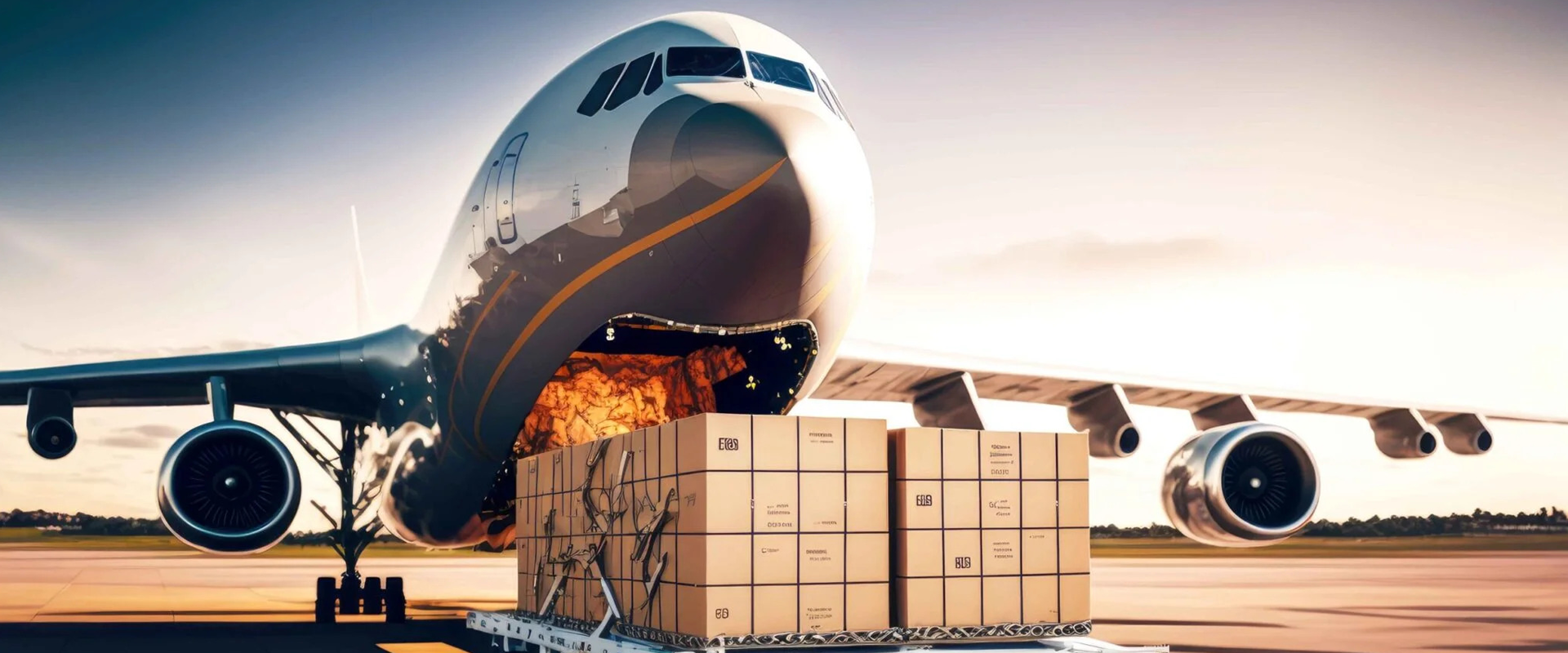
Expert perspectives on Saudi Arabia customs, ocean & air freight, and global supply chain strategies.
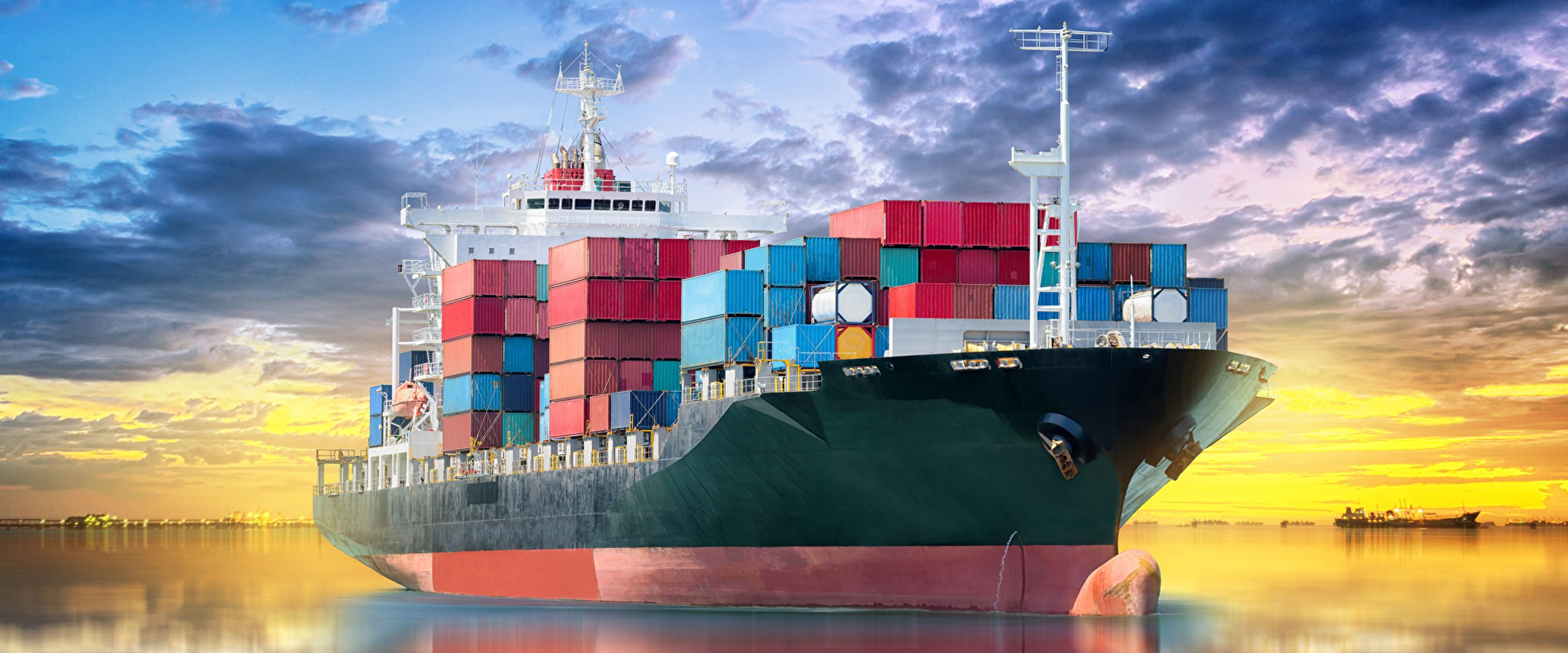
Latest market trends, port developments, and international container freight analysis.
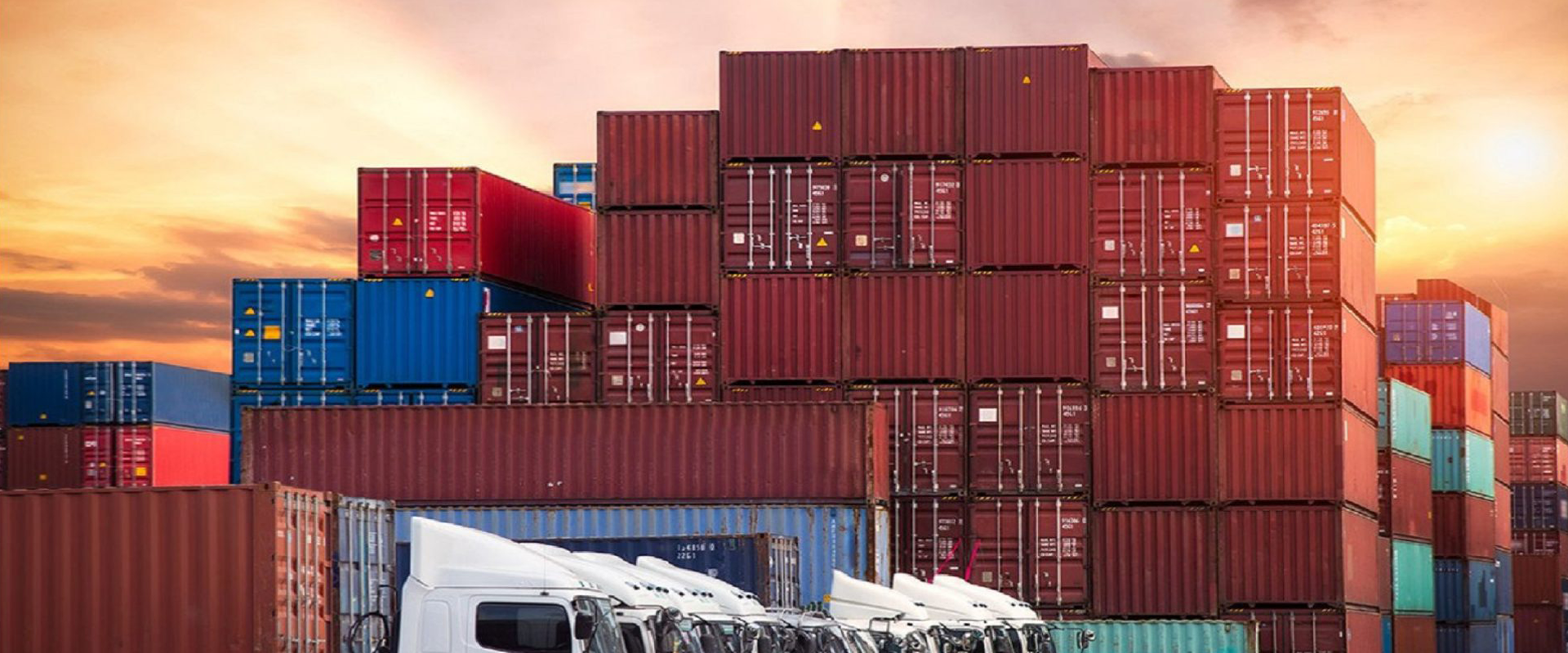
Technical case studies and operational insights for complex industrial project transport.
Factory-direct ocean shipping, breakbulk chartering, and door-to-door project freight services tailored for Tokyo Port (Oi, Aomi, Shinagawa) and Keihin Port Terminals.
A strategic analysis of maritime trade corridors, container terminal throughput, and direct factory-to-door forwarding intelligence for Greater Tokyo buyers.
The Greater Tokyo Metropolitan Area, comprising Tokyo, Kanagawa, Chiba, and Saitama, constitutes the world's most populous megalopolis and a globally vital industrial market. At the center of this economic engine lies the Port of Tokyo and the unified Keihin Port Complex (incorporating Tokyo, Yokohama, and Kawasaki). For international manufacturers, industrial procurement specialists, and global suppliers, executing precise, cost-efficient, and compliant ocean freight operations into Tokyo requires far more than standard port-to-port ocean booking; it demands deep systemic integration with local port infrastructure, real-time customs data interchange, and specialized cargo handling capabilities.
This industry whitepaper explores the critical logistics mechanics, localized trade dynamics, and factory-direct freight forwarding methodologies designed to optimize ocean shipping to Tokyo. By leveraging direct ocean carrier allocations, Advanced NACCS (Nippon Automated Cargo and Port Consolidated System) EDI integration, and multimodal last-mile delivery, industrial enterprises can eliminate port demurrage, minimize duty friction, and build resilient, agile supply chains.
Operating ocean freight into Tokyo Port requires managing peak berth congestion at Oi and Aomi Container Terminals, navigating Japan's Consumption Tax (JCT) rules on imported goods, and strictly adhering to JIS (Japanese Industrial Standards) packaging guidelines. Partnering with a licensed ocean freight forwarder possessing established feeder contracts and local bonded warehousing guarantees operational continuity and predictable lead times.
Structured maritime transport solutions tailored to high-density trade lanes terminating in Tokyo Bay.
Full Container Load (FCL) solutions using 20GP, 40GP, and 40HQ High-Cube equipment. Priority vessel booking guarantees direct sailings to Tokyo Oi Terminal with contracted space allocations during peak maritime shipping seasons.
Cost-effective Less-than-Container Load (LCL) services for smaller industrial shipments. Cargo is consolidated at origin factory hubs and seamlessly de-consolidated at bonded warehouses in Shinagawa or Yokohama.
Specialized engineering logistics for heavy industrial machinery, transformers, and oversized manufacturing lines using Flat Rack, Open Top, and Heavy-Lift Breakbulk vessels handled directly at specialized berths.
Complete Incoterms management. Delivered Duty Paid (DDP) options take full responsibility for ocean transit, Japanese customs clearance, consumption tax assessment, and final truck delivery to factories in Kanagawa or Saitama.
Advanced cold-chain ocean container logistics for sensitive chemical compounds, electronic raw components, and perishable materials utilizing active monitoring reefer equipment throughout the maritime voyage.
Accelerated supply chain solutions combining ocean transport to major transshipment hubs with expedited air cargo connections directly into Tokyo Haneda (HND) or Narita (NRT) Airports for emergency stock replenishment.
Comparative ocean freight analytics for key global factory origins supplying the Greater Tokyo Industrial Zone.
| Origin Trade Region | Primary Origin Ports | Destination Terminal (Tokyo) | Avg. Ocean Transit (Days) | Frequency & Service Type |
|---|---|---|---|---|
| East Asia (Mainland China) | Shanghai, Ningbo, Shenzhen, Qingdao | Tokyo (Oi / Aomi Terminal) | 3 – 5 Days | Direct Daily Express Loop |
| Southeast Asia | Singapore, Port Klang, Ho Chi Minh, Bangkok | Tokyo / Yokohama Port | 7 – 11 Days | Weekly Direct / Feeder Calls |
| Middle East (GCC) | Jebel Ali, Jubail, Dammam, Difa | Tokyo Terminal | 18 – 24 Days | Weekly Ocean Mainline |
| Europe (North & Med) | Rotterdam, Hamburg, Antwerp, Genoa | Tokyo Port | 32 – 40 Days | Fixed Day Weekly Alliance Loops |
| North America (West Coast) | Los Angeles, Long Beach, Seattle | Tokyo Port | 11 – 14 Days | Transpacific Express Lines |
How factory-direct ocean freight forwarders support diverse industrial sectors across the Kanto Logistics Grid.
The industrial manufacturing corridor extending through Saitama, Chiba, and Kanagawa relies heavily on imported precision components, CNC turning machinery, and heavy industrial automation equipment. Transporting high-value machinery requires vibration-dampened flat-rack packaging and moisture-controlled ocean container conditions. Ocean freight forwarders manage direct shipside discharging at Tokyo Port, followed by heavy-duty low-boy trailer transport operating under specialized night transport permits issued by the Tokyo Metropolitan Government.
With Japan reinvesting heavily in semiconductor fabrication and electronics manufacturing across the broader Kanto region, managing micro-cleanliness during ocean transport is essential. High-value capital equipment is shipped using specialized climate-controlled reefer containers or shock-monitored breakbulk units. Direct clearance through Tokyo customs via pre-arrival declaration guarantees immediate release, minimizing exposure to ambient port conditions.
Just-in-Time (JIT) manufacturing paradigms governed by Japanese automotive standards leave no margin for maritime shipping delays. Ocean freight suppliers establish dedicated feeder services connecting overseas parts factories directly into Tokyo Bay, feeding regional distribution centers (DCs) located in Yokohama and Atsugi. Real-time container GPS tracking and priority gate-in passes ensure parts reach assembly lines without interruption.
Industrial production around Tokyo Bay depends on steady inflows of raw polymers, specialty chemicals, and liquid resins. Specialized ISO Tank containers and IMO-certified hazardous cargo ocean shipping are managed under strict compliance with Japanese Fire Service Act regulations and Port Authority safety codes, ensuring certified handling from ship's manifold to inland storage tanks.
Forward-looking developments influencing global trade compliance, sustainability, and port efficiency in Japan.
The Bureau of Port and Harbor of the Tokyo Metropolitan Government is actively implementing decarbonization initiatives. Ocean carriers operating LNG-fueled and methanol-ready container ships receive priority berthing and discounted port dues, helping global buyers achieve Scope 3 emission targets.
Major terminals at Tokyo Port, such as the Oi Container Terminal, are deploying AI-driven container stacking cranes, automated transfer vehicles, and optical character recognition (OCR) gate systems, reducing drayage truck gate-in wait times to under 15 minutes.
Japan's paperless customs initiative requires seamless integration with NACCS. Advanced electronic filing enables pre-arrival customs clearance for ocean containerized cargo, allowing containers to move directly from vessel tackle to inland chassis upon discharge.
Demonstrated technical competence, global freight network accreditations, and industrial logistics governance.
Choosing an international ocean freight forwarder for Tokyo operations demands verified operational credentials, rigorous quality management frameworks, and deep financial stability. Building upon a proven global track record serving energy conglomerates, EPC infrastructure developers, and Fortune 500 manufacturing brands (including SABIC, Saudi Aramco, Hyundai Heavy Industries, and Samsung Engineering), our freight forwarding network brings world-class standards to Tokyo ocean logistics.
Full certified membership in WCA (World Cargo Alliance), FIATA (International Federation of Freight Forwarders Associations), and ISO 9001:2015 quality management compliance guarantees standardized ocean freight procedures worldwide.
Comprehensive ocean marine cargo insurance options, end-to-end bill of lading (B/L) coverage, and strict compliance with the Hague-Visby Rules safeguard high-value industrial assets throughout maritime transit.
Dedicated logistics control tower offering multi-lingual support (English, Japanese, Mandarin) provides continuous cargo tracking, milestone alerts, and proactive exception handling from origin factory to Tokyo warehouse.
Expert insights addressing customs procedures, terminal operations, local taxes, and freight terms for Japan imports.
Tokyo Port consists of several specialized container terminals including Oi, Aomi, and Shinagawa. Oi Container Terminal is the primary hub for main-line ocean vessels operating transpacific and Asia-Europe routes due to its deep-water berths and high-speed gantry cranes. Aomi handles extensive regional feeder traffic. Your freight forwarder will select the optimal terminal based on vessel carrier allocation and proximity to your inland delivery point.
Import JCT (currently 10%) is calculated based on the CIF value of the goods (Cost + Insurance + Freight) plus any applicable customs duties. Under DDP (Delivered Duty Paid) terms, your ocean freight forwarder advances the customs duty and JCT on your behalf at Tokyo customs, billing it back in your final consolidated invoice to simplify local accounting.
NACCS (Nippon Automated Cargo and Port Consolidated System) is Japan's electronic customs EDI platform connecting customs brokers, port authorities, shipping lines, and bonded warehouses. Submitting accurate manifest data through NACCS prior to vessel arrival enables immediate customs release upon unloading at Tokyo Port, preventing costly demurrage charges.
Standard free-time at Tokyo container terminals typically ranges from 5 to 7 days for Demurrage (storage inside the terminal) and 3 to 5 days for Detention (holding the container outside the terminal). Because Tokyo port storage space is tightly constrained, extended free-time contracts negotiated by your ocean forwarder are essential for large project shipments.
Yes. Heavy-lift and oversized breakbulk shipments are handled at specialized multi-purpose berths within Tokyo Port or neighboring Yokohama Port. Operations involve direct floating crane discharge onto multi-axle hydraulic trailers, complete with route surveys, escort vehicle coordination, and local police transport permits.
Under FOB (Free on Board), the overseas factory only loads the cargo onto the ocean vessel; the buyer in Tokyo assumes all freight costs, maritime risks, Japanese customs clearance, and local drayage. Under DDP (Delivered Duty Paid), the ocean freight forwarder manages the entire supply chain from origin factory floor to your Tokyo warehouse door, managing all customs risks and logistics headaches.
Connect with our global maritime logistics specialists for instant FCL/LCL ocean freight quotes, container space bookings, and custom DDP project solutions tailored for Tokyo Port terminals.