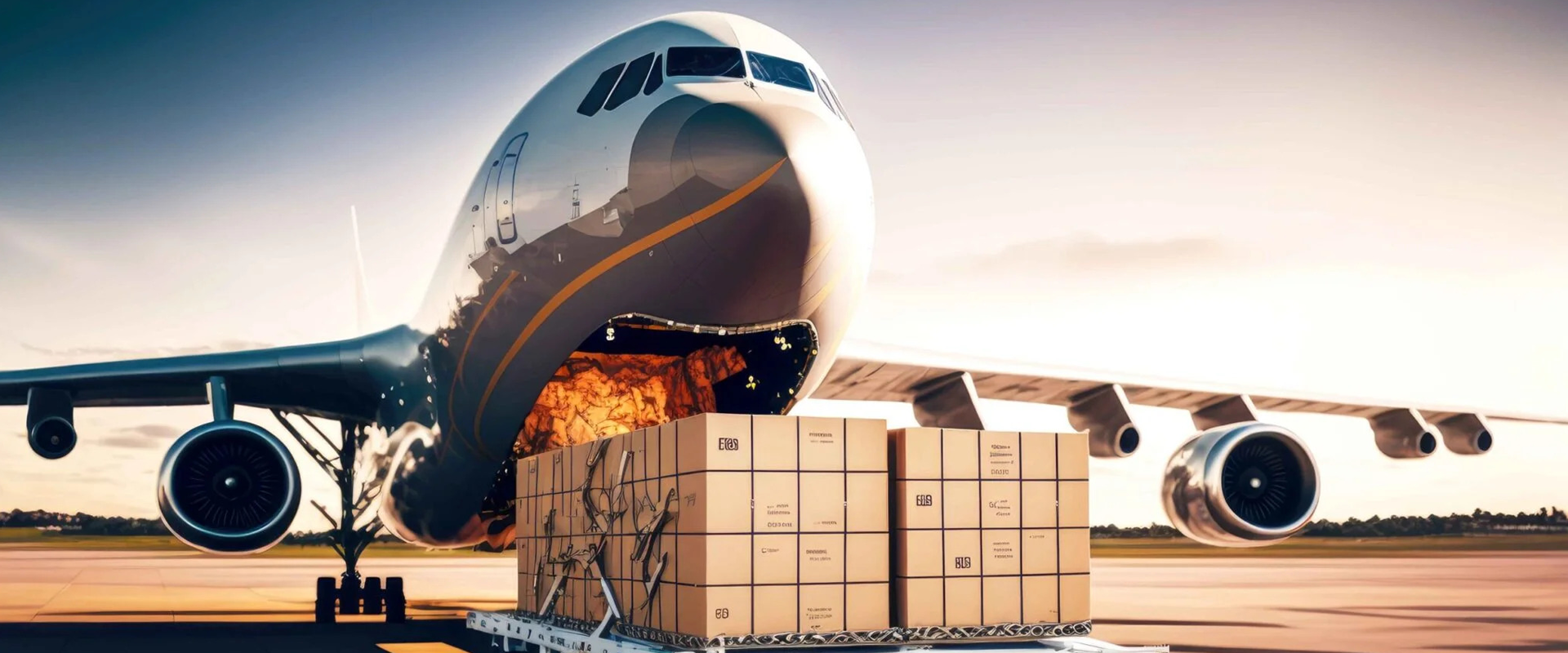
Expert perspectives on Saudi Arabia customs, ocean & air freight, and global supply chain strategies.
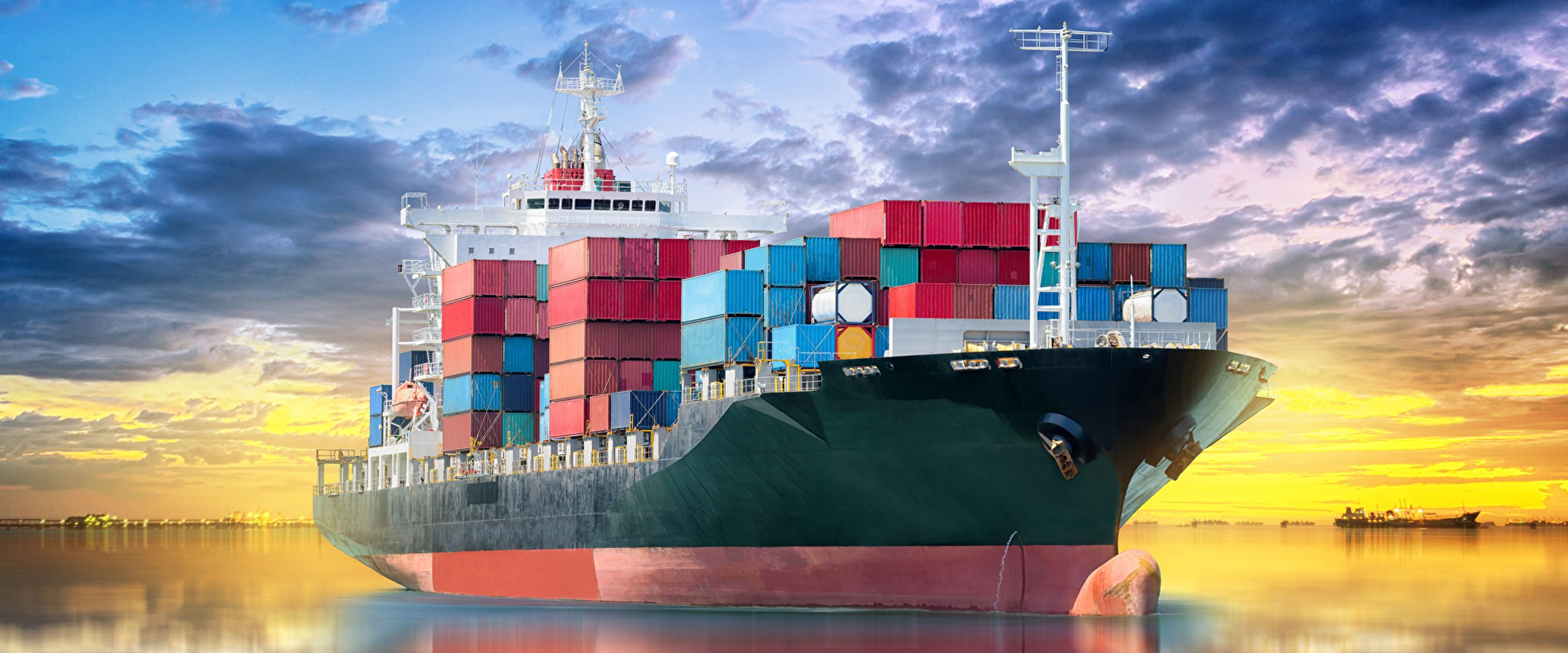
Latest market trends, port developments, and international container freight analysis.
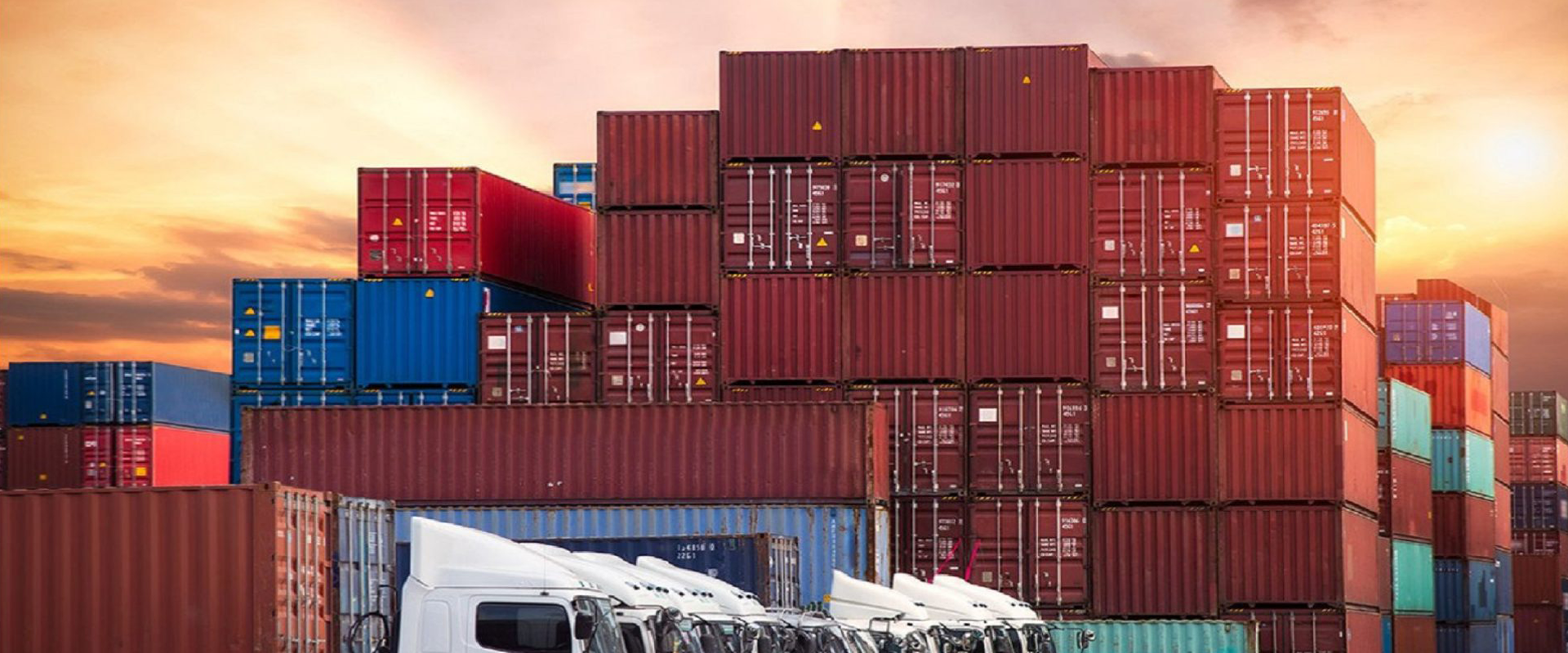
Technical case studies and operational insights for complex industrial project transport.
Turnkey oversize transport services tailored for industrial manufacturers and factories exporting heavy machinery to Japan.
Navigating structural, regulatory, and nautical challenges in one of the world's most demanding industrial supply chain environments.
Transporting oversized industrial machinery, gas turbines, transformer units, and offshore structural components across Japan demands flawless precision. Japanese road networks feature strict axle-load limits, narrow urban corridors, tight overhead clearances under bullet train (Shinkansen) overpasses, and stringent environmental controls under the Ministry of Land, Infrastructure, Transport and Tourism (MLIT).
Global original equipment manufacturers (OEMs) and EPC contractors shipping heavy machinery into Japan require seamless Delivered Duty Paid (DDP) solutions. SOHO Shipping & Logistics integrates ocean breakbulk chartering, heavy air cargo lifts, Japanese customs brokerage (NACCS), inland heavy haulage, and on-site positioning, eliminating operational friction for international buyers.
Selecting the optimal transport modality based on payload dimensions, structural weight, urgency, and port clearance capabilities.
| Transport Modality | Max Unit Capacity | Transit Time (China to Japan) | Primary Japanese Ports | Ideal Cargo Applications |
|---|---|---|---|---|
| Ocean Breakbulk Charter | Up to 1,200 Metric Tons | 4 – 7 Days | Yokohama, Kobe, Nagoya, Osaka, Hakata | Petrochemical columns, pressure vessels, power generators, wind turbine blades. |
| Heavy Lift Air Charter (An-124 / B747-8F) | 120 – 150 Metric Tons | 24 – 48 Hours | Narita (NRT), Kansai (KIX), Chubu Centrair (NGO) | Emergency replacement turbines, semiconductor fab equipment, high-value industrial dies. |
| Ro-Ro (Roll-on / Roll-off) | Up to 160 Metric Tons (Mafi Trailer) | 3 – 5 Days | Tokyo, Nagoya, Kobe, Kanda | Tracked excavators, mobile cranes, oversized wheeled machinery, modular chassis. |
| Flat Rack & Open Top Containers | 45 Metric Tons per Unit | 3 – 5 Days | All Major Japanese Container Terminals | Over-width CNC machines, heavy pumps, disassembled industrial presses, transformers. |
For non-containerizable equipment exceeding 50 tons, dedicated heavy-lift vessels equipped with onboard cranes (up to 800t combined lift capacity) provide direct berth-to-berth transport into industrial ports such as Chiba, Yokkaichi, and Mizushima.
When factory downtime costs millions per hour, full or partial air charters bypass seaport congestion. SOHO Shipping arranges nose-loading Antonov An-124 and Boeing 747-8F freighters directly to Kansai or Narita with direct tarmac ramp transfer to low-bed trailers.
Utilizing roll-trailers (Mafi trailers) and specialized heavy ramps, Ro-Ro shipping guarantees zero overhead lifting risk for sensitive rolling stock, earthmoving equipment, and heavy modular units shipped directly to Japan's primary automotive hubs.
Tailored heavy logistics strategies aligned with Japan's regional industrial ecosystems and infrastructure demands.
Scenario: Delivery of ultra-clean, high-precision semiconductor fabrication modules and heavy air handling units (AHUs) from overseas manufacturers to new mega-fab sites in Kumamoto Prefecture.
Logistics Execution: Climate-controlled, air-ride heavy suspension trailers dispatched from Hakata and Yatsushiro ports. Transport executed during night windows under strict vibration-monitoring protocols to safeguard sub-micron sensitive components.
Scenario: Import of 80-meter wind turbine blades, heavy nacelles (120t), and offshore substation transformers for coastal renewable projects in Akita and Hokkaido.
Logistics Execution: Heavy-lift breakbulk vessel discharge using dual tandem cranes onto heavy hydraulic multi-axle SPMTs at Ishikari Bay New Port, followed by police-escorted mountain route navigation.
Scenario: Transport of 300-ton hydraulic stamping press frames and automotive forging machinery from overseas factories to tier-1 automotive suppliers in Aichi Prefecture.
Logistics Execution: Ocean shipping on Flat Rack / Breakbulk bed to Port of Nagoya. Inland transport utilizing 16-axle hydraulic trailers, route-surveyed to clear tight urban turns and bridge load capacities.
Scenario: Urgent shipment of oversized cracking columns and heat exchangers for refinery modernization in Tokyo Bay (Chiba Port).
Logistics Execution: Direct barge transfer from ocean breakbulk carrier to private factory jetty, utilizing jack-and-slide systems to position 450t vessels onto foundations without heavy crane setup restrictions.
Market forces reshaping industrial equipment procurement and specialized heavy shipping demands in the Japanese archipelago.
Japan’s national GX strategy requires massive imports of hydrogen storage tanks, ammonia cracking towers, and offshore wind power components. This drives sustained demand for heavy breakbulk shipping and specialized multi-axle land transport over the next decade.
With billions invested in Kyushu (Silicon Island) and Hokkaido, rapid construction of advanced semiconductor foundries demands air-charter and express DDP logistics for oversized, zero-vibration fabrication machinery under strict construction schedules.
Japan’s nationwide modernization of aging bridges, elevated expressways, and coastal defenses mandates high-volume imports of heavy modular construction units, large tunneling shields, and heavy crawler cranes.
A step-by-step engineering and compliance breakdown for heavy cargo land transport across Japanese prefectures.
Detailed physical site survey analyzing overhead wire clearance, bridge weight limits, turning radii, and road slope angles.
Submission of technical vehicle drawings and axle-load distribution models to MLIT's Special Vehicle Clearance System.
Securing local police permits (Keisatsusho) for night-time escort vehicles, traffic control, and road closures.
NACCS electronic customs declaration, JCT tax settlement, and immediate direct-discharge from vessel onto SPMTs.
Proven heavy cargo logistics engineering, certified compliance, and deep local Japanese execution power.
ISO 9001, ISO 14001, and ISO 45001 certified operations. Every heavy lift operation undergoes rigorous method statement approvals, CAD lashing design calculations, and comprehensive marine cargo insurance coverage up to 100% CIF value.
Long-term charter contracts with top-tier breakbulk ocean lines and heavy air freighters (An-124, B747F). Direct access to specialized heavy equipment including 1000t gantry cranes, floating crane barges in Tokyo Bay, and modular SPMTs in Japan.
Licensed in-house customs brokers connected to Japan's NACCS system. Experienced in handling complex HS code classifications for industrial plant equipment, duty exemption schemes, and seamless DDP delivery right to Japanese job sites.
Direct technical and operational answers for procurement heads, project engineers, and global supply chain managers.
Standard MLIT Special Vehicle Permit approval requires 3 to 6 weeks depending on the complexity of the route, number of prefectures crossed, and bridge load assessments required. For super-heavy cargo (>100t), route clearance should be initiated 60 days prior to ocean vessel arrival.
Yes. Under DDP (Delivered Duty Paid) terms, SOHO Shipping manages the complete chain: ocean/air freight, Japanese import customs clearance via NACCS, payment of Japanese Consumption Tax (JCT 10%) and duties, inland heavy haulage permits, police escorts, and final on-site uncrating/positioning.
Major ports including Yokohama (Daikoku Pier), Kobe (Maya Pier), Nagoya (Kinjo Pier), Osaka (Nanko Pier), and Chiba are fully equipped with high-capacity heavy shore cranes, floating crane barges, and direct heavy vehicle access for seamless breakbulk discharge.
Every transport plan includes contingency buffering. Sea routes utilize real-time weather routing software to avoid typhoon corridors. Land transport operations maintain real-time monitoring via MLIT’s Disaster Prevention Information System to re-route around seismic-affected infrastructure.
Cargo must adhere to IMO/ILO/UNECE Code of Practice for Packing of Cargo Transport Units (CTU Code). Wood packaging must strictly comply with ISPM 15 fumigation standards. Lifting points, center of gravity (CG), and weight centers must be permanently stencil-marked in accordance with JIS standards.
We deploy specialized air-suspension low-bed trailers and climate-controlled hard-side transport modules equipped with 3-axis continuous shock and vibration dataloggers, ensuring full compliance with equipment OEM warranty requirements.
Consult with our senior heavy-lift freight engineers today. Get detailed route feasibility studies, MLIT permit advice, ocean charter rates, and comprehensive DDP project logistics quotes within 24 hours.